Conservation at its most fundamental, is the science-based recognition that healthy ecosystems are not optional; they are the infrastructure upon which all life, including human life, depends. RESQ CT works where that infrastructure is under greatest strain: at the boundary between wild and human worlds, where the consequences of neglect are immediate, visible, and often irreversible.
Three interconnected imperatives define why we do this work, and why it cannot wait.
01 · One Health
The idea that human health, animal health, and environmental health are separate concerns is not just scientifically inaccurate; it is dangerous. Approximately 75% of emerging infectious diseases in humans originate in animals, and the conditions that drive wildlife into closer contact with human settlements, habitat loss, fragmentation, and the erosion of natural buffers, are the same conditions that increase the likelihood of zoonotic spillover events. COVID-19 was not an anomaly. It was a warning.
The One Health framework recognises what field conservationists have known for decades: you cannot protect human health without protecting animal health, and you cannot protect either without protecting the ecosystems that sustain both. Every animal RESQ CT treats is a data point. Every disease pattern we track, every post-mortem we conduct, every symptomatic animal we isolate contributes to a surveillance system that sits, largely invisibly, between the wild and the communities around it.
When our teams respond to a sick vulture, they are not simply performing an act of animal welfare. Vultures are nature's most efficient disease control mechanism, capable of consuming carcasses laden with pathogens that would otherwise contaminate soil and water. When our teams manage a human-leopard conflict scenario, they are reducing the conditions under which desperate, stressed, or injured animals come into close and unpredictable contact with people. When we rehabilitate and release, we are restoring the ecological roles that keep ecosystems, and by extension communities, functioning.
One Health is not a framework RESQ CT applies to its work. It is the reality that our teams operate in every single day.
02 · Coexistence
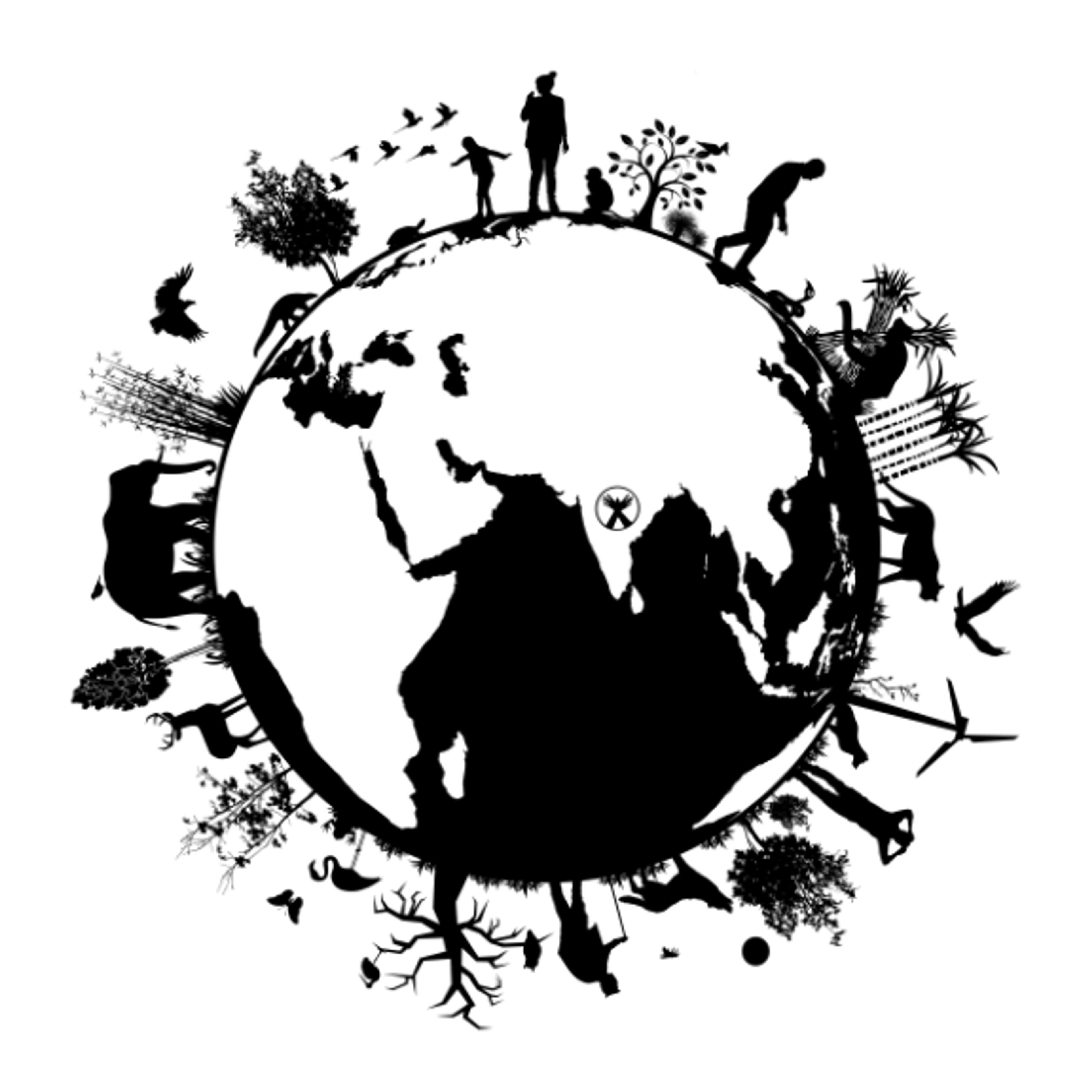
India is one of the most biodiverse countries on the planet. It is also one of the most densely populated. These two facts are not in conflict by accident: they are the product of millennia of shared landscape, of ecosystems shaped as much by human presence as by ecological process. The wild and the human in India have never been truly separate. The question has never been whether they will share space. It has always been how. The answer, increasingly, is not a reassuring one.
Approximately 20% of Maharashtra's geographical area is forest, but wildlife does not read maps or respect administrative boundaries. Leopards thrive in sugarcane fields. Snakes take shelter in homes. Elephants move through farmland. Primates raid plantations. These are not aberrations. They are the predictable consequences of shrinking habitat, expanding human settlement, and a century of land-use decisions made without accounting for the animals that were already there.
Conflict, when it arises, is expensive for everyone. For the farmer who loses livestock. For the family living in fear. For the animal that may be injured, captured, or killed in retaliation. For the ecosystem that loses a predator, a pollinator, a seed disperser. And for a society that has not yet built the systems, the knowledge, or the institutional capacity to manage these encounters with consistency and care.
RESQ CT does not believe that conflict is inevitable, nor that it can be eliminated entirely. We believe it is, in most cases, manageable, and in many cases preventable, if the right systems, knowledge, and relationships are in place. That belief drives everything from our conflict response operations to our community education programmes to our investment in training forest officers and frontline responders. Coexistence is not a romantic ideal. It is achievable, with evidence-based outcomes, but only if it is treated as the serious, complex, multidisciplinary challenge that it actually is.
The communities that live closest to wildlife are not the problem. They are, if properly supported, the most powerful conservation resource available. A farmer who understands leopard behaviour is less likely to retaliate. A village that has access to a trained responder is less likely to panic. A child who grows up knowing that the snake in the field has a name, a role, and a right to exist is less likely to reach for a stick. These are not soft outcomes. They are the foundations on which lasting coexistence is built, one informed person at a time.
03 · Long-term impact
Conservation impact is notoriously difficult to measure. A rescue operation has a clear outcome: the animal either gets out of distress or it does not. But the impact of a training workshop delivered to twenty forest officers, a school programme that reaches five hundred children, or a disease surveillance system that flags an emerging pathogen before it crosses the species barrier: these ripple outward in ways that are real but rarely captured in a single statistic.
RESQ CT works with that complexity rather than around it. We track what we can measure rigorously, and we are honest about what takes years, sometimes generations, to become visible. What we can say with confidence is that the work aligns with, and actively contributes to, the most urgent global priorities of our time. RESQ CT's work contributes directly to five United Nations Sustainable Development Goals.
Through active disease surveillance, zoonotic risk management, and the isolation and treatment of wildlife that may carry transmissible pathogens, RESQ CT functions as an early warning system at the human-wildlife interface. Every symptomatic animal that reaches our centres is a potential data point in a national and global health security picture that depends on exactly this kind of frontline monitoring.
Through AWARE India's structured wildlife curriculum, and Sahjeevan’s community outreach programmes reaching urban, rural, and tribal populations, and capacity building initiatives for professionals and institutions, RESQ CT builds ecological literacy across generations and sectors. An informed society makes better decisions about the landscapes it shares with wildlife.
This is our most direct alignment. Wildlife rescue, rehabilitation, and reintroduction; habitat monitoring; species conservation; conflict mitigation; and the restoration of ecological roles through the recovery of keystone species all contribute to the health, integrity, and resilience of terrestrial ecosystems. Every animal returned to the wild is a vote for the ecosystem it returns to.
By working alongside government agencies, contributing field data to policy processes, standardising rescue and rehabilitation protocols, and building the institutional capacity of forest departments and wildlife response systems, RESQ CT strengthens the frameworks through which India manages its relationship with its own biodiversity.
No organisation solves conservation alone. RESQ CT's model is deliberately collaborative, built on partnerships with government bodies, academic institutions, international organisations, corporate partners, and civil society. These relationships are not incidental to our work; they are how it scales beyond what any single organisation could achieve independently.
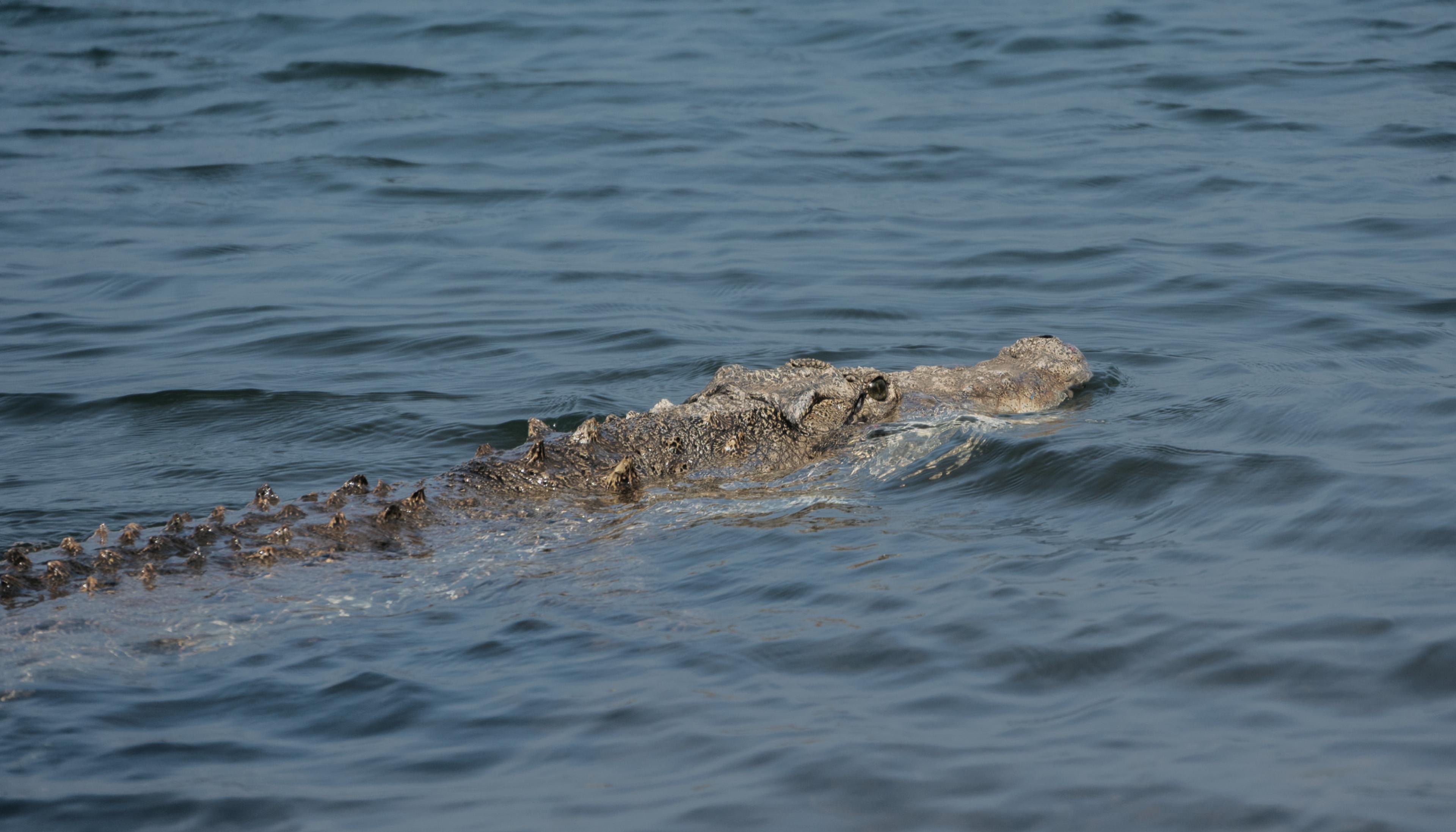 Read moreOur ApproachThe centres, equipment, technology and innovation behind RESQ's conservation work.
In About us
 About RESQ
 Our storyYou're hereOur purposeOur approach
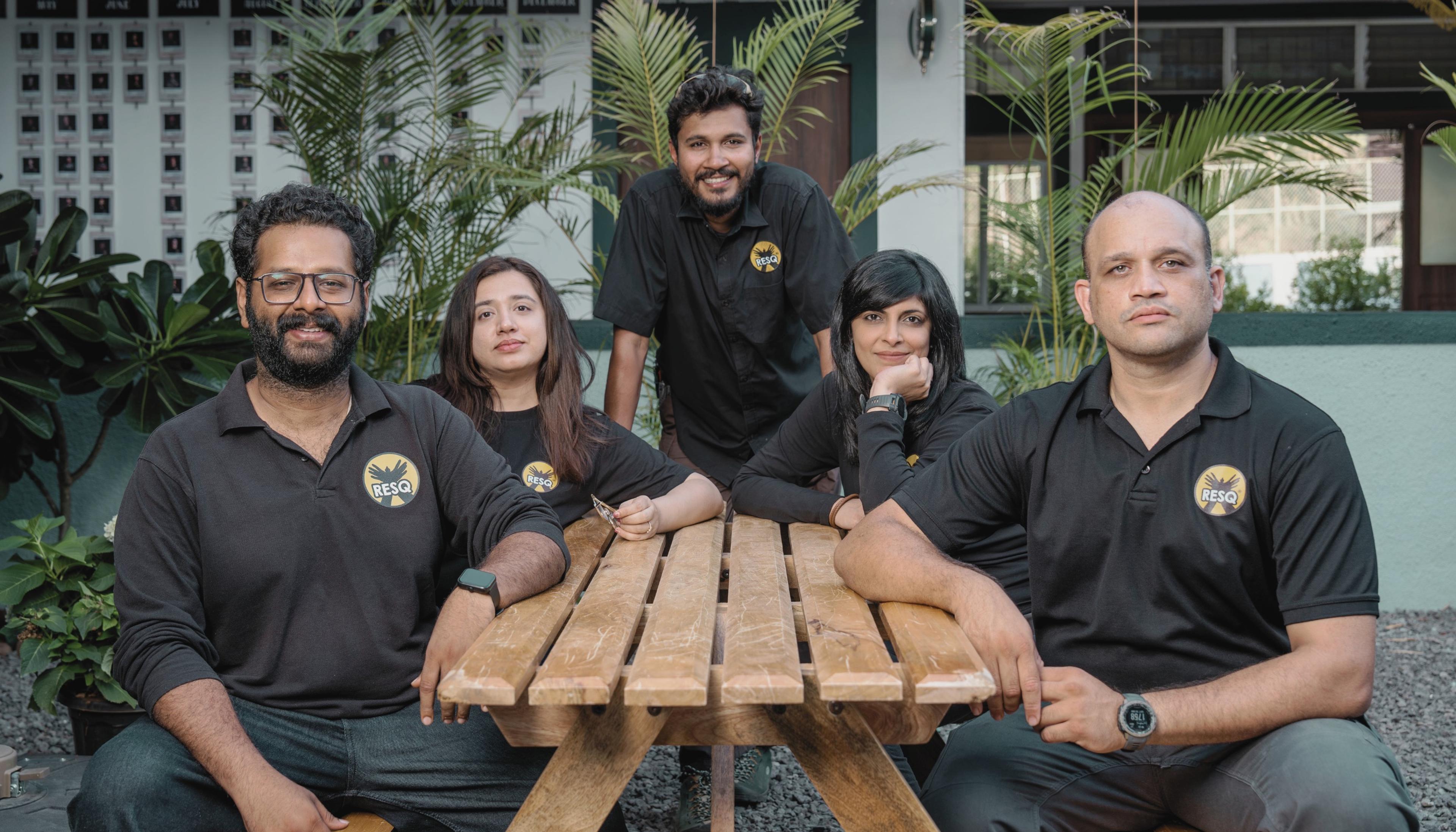 Our team
 Our partners
Support this work
A rescue is only the first step. Treatment, rehabilitation, release and the prevention work that follows all depend on people who choose to stand behind it.
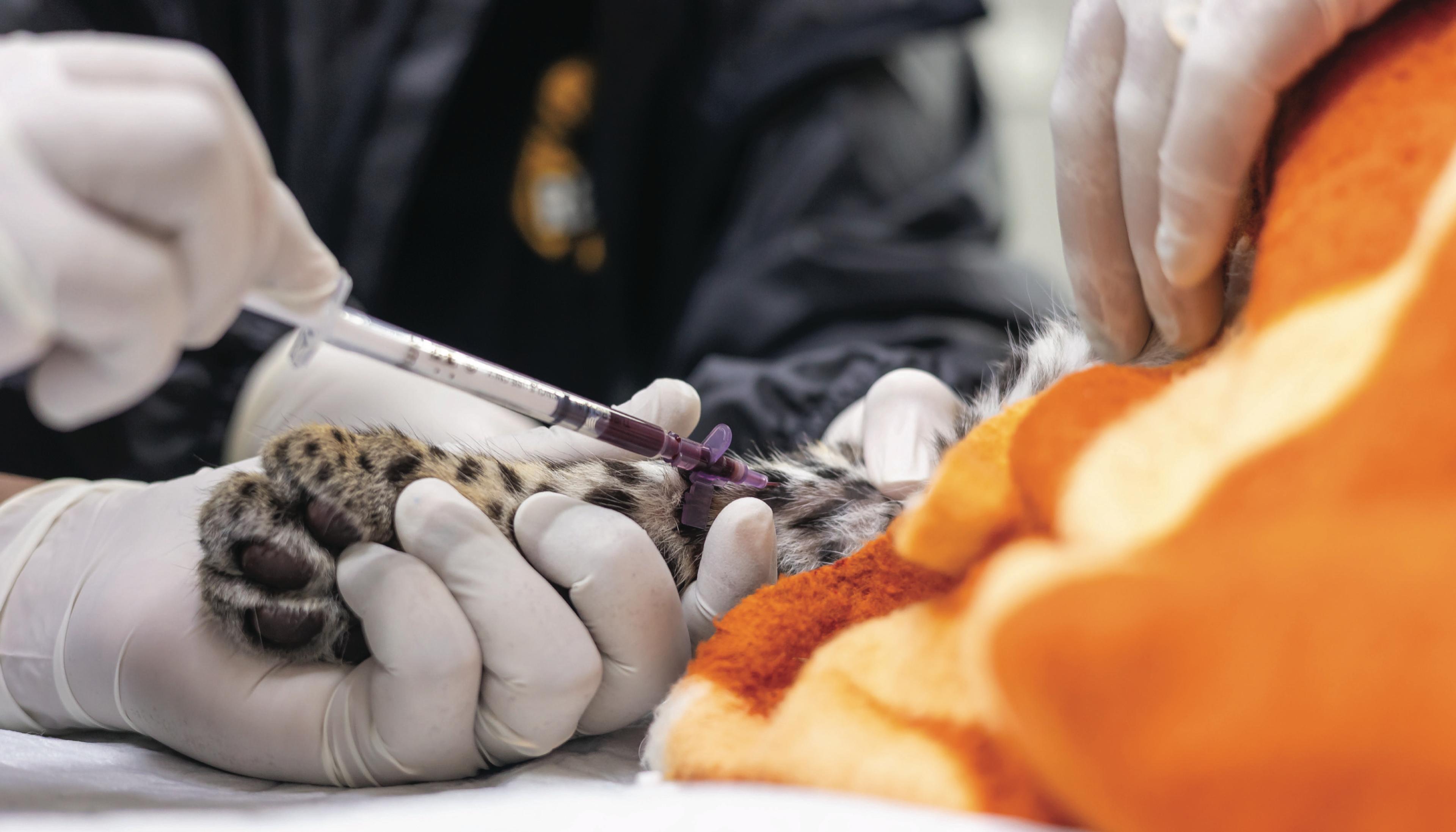
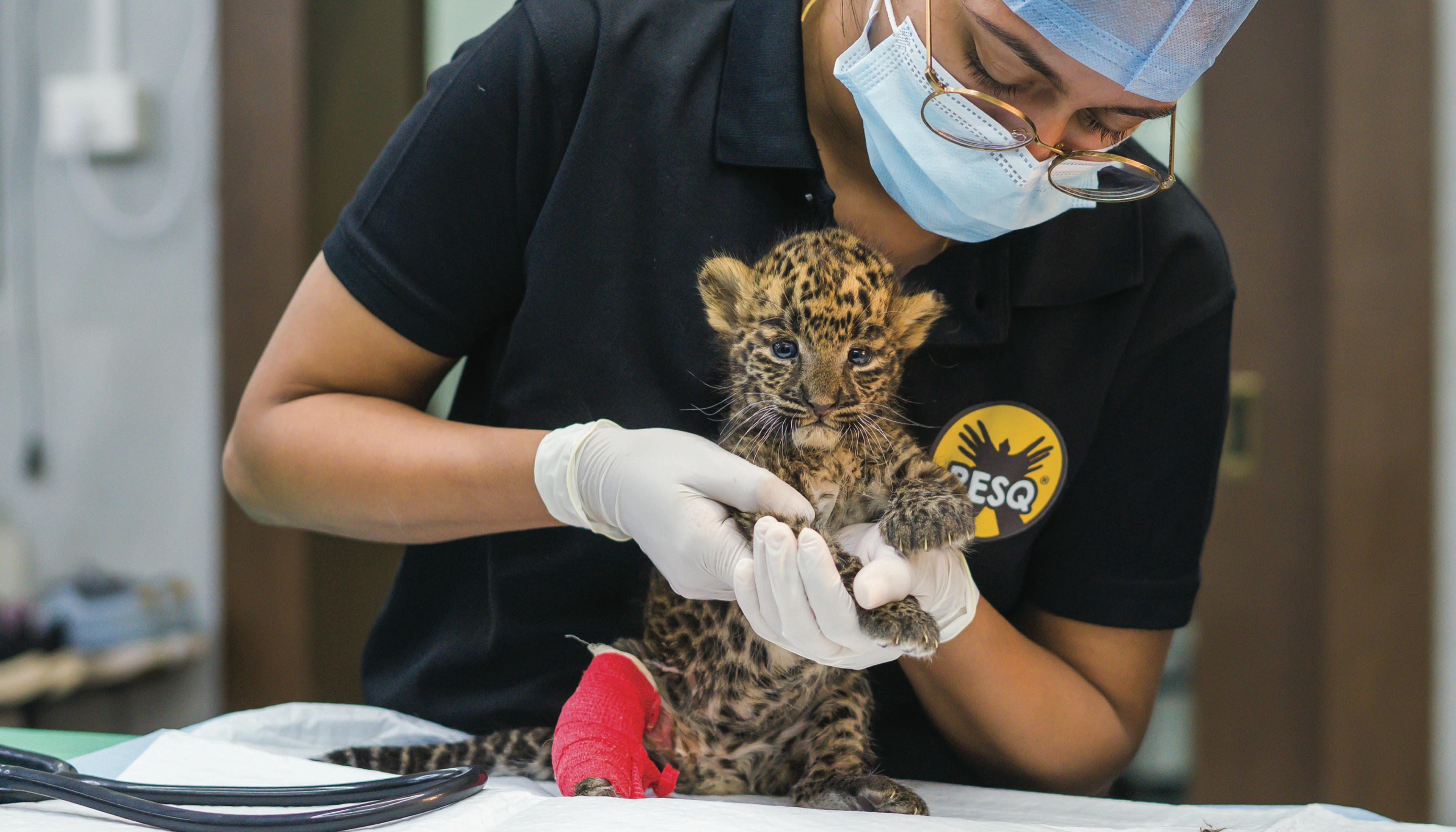
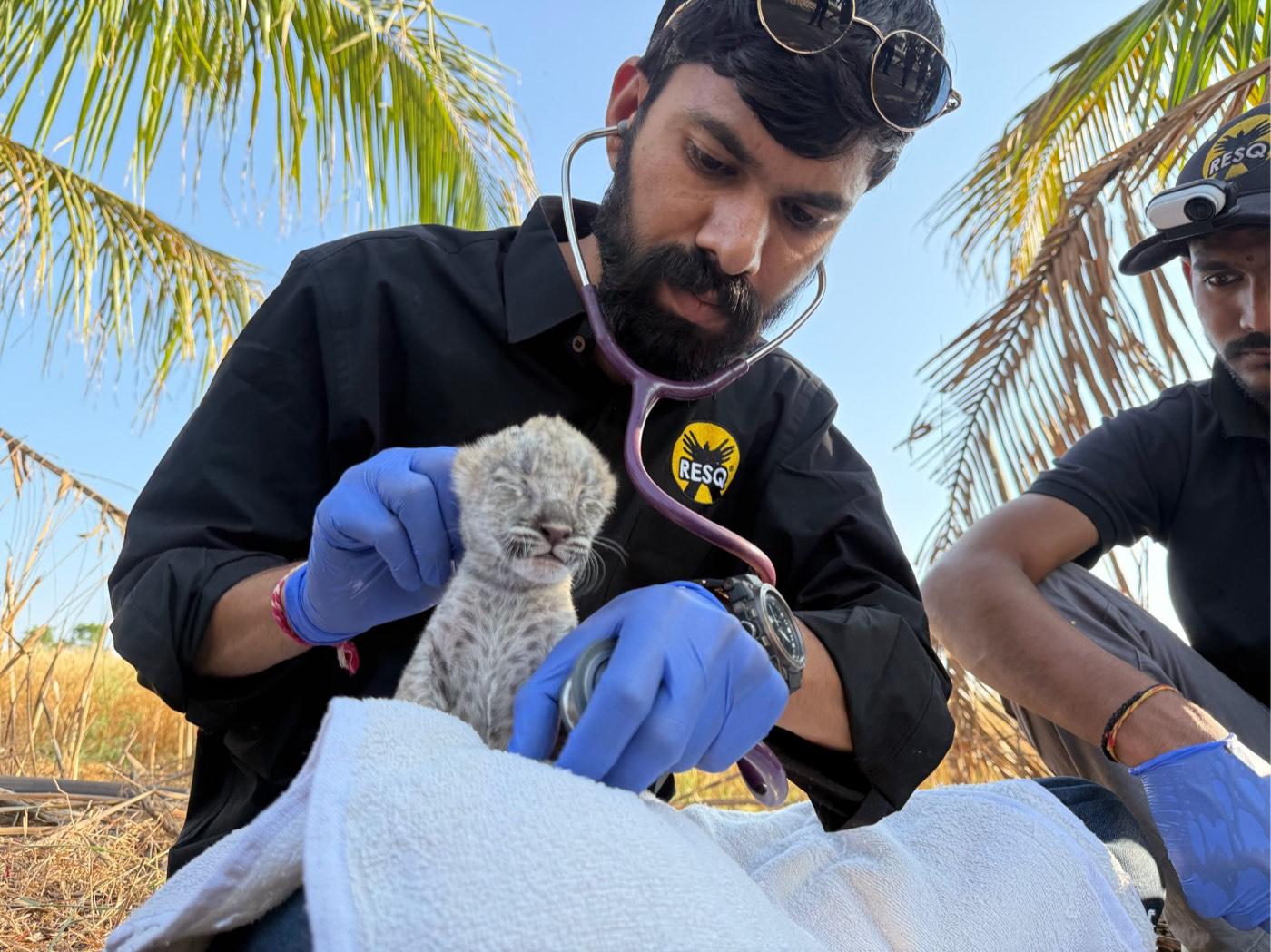
DonatePhoto: a RESQ vet examines a rescued leopard cub in the field.
Work alongside us
Individuals, students and groups support our centres, field teams and outreach programmes through the year. Every volunteer is trained and works to a shared code of conduct.
Volunteer with us