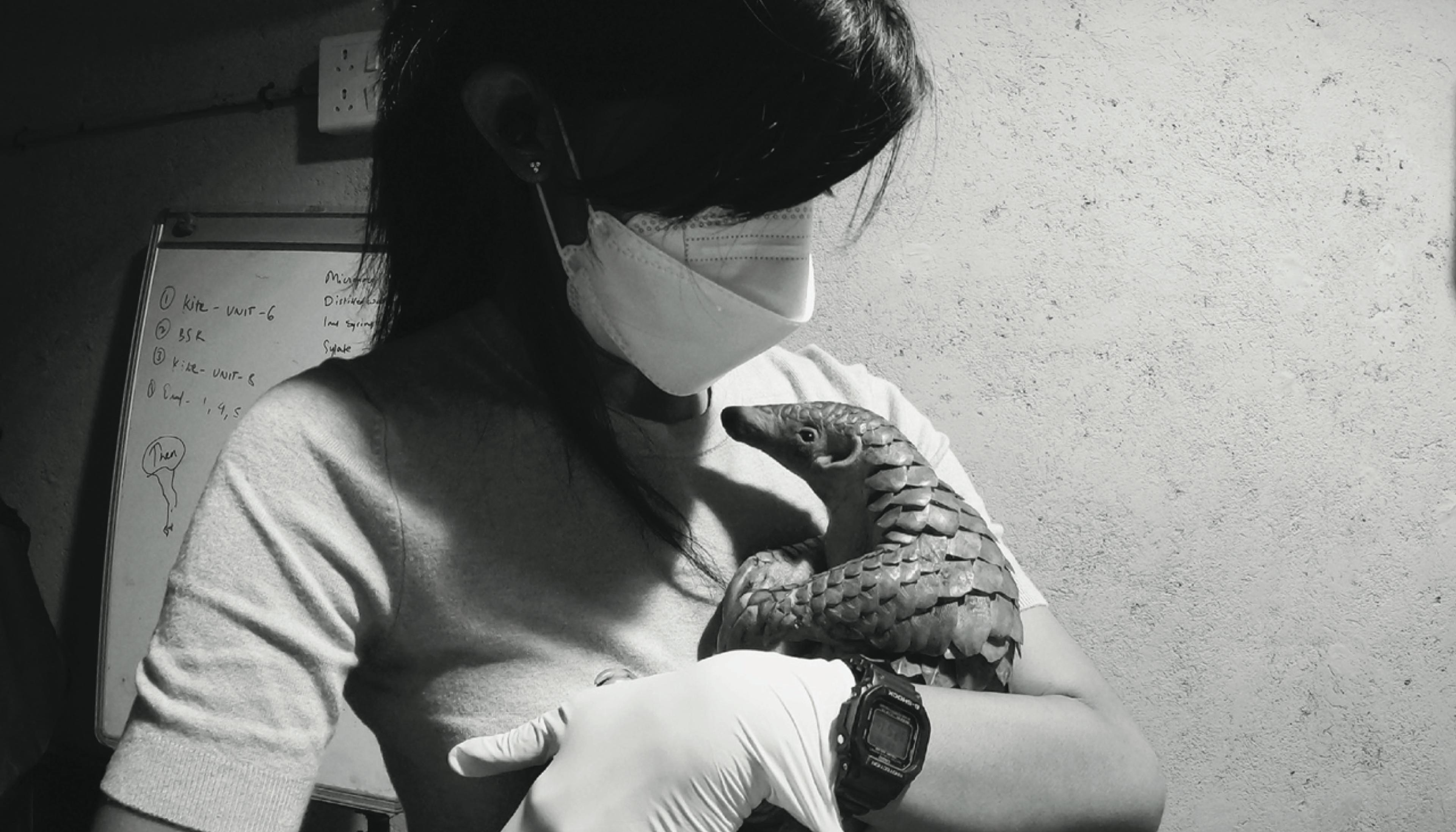
RESQ Charitable Trust did not begin with a grand plan. It began with a refusal to look away. In 2007, Pune was a city brimming with animal emergencies and almost entirely without systems to answer them. One volunteer started responding, one animal at a time, and the work never stopped. What follows is the journey from that first response to a conservation action organisation working across two states: not a straight line, because wildlife conservation rarely offers those, but a story of gaps turned into briefs, challenges turned into invitations, and a spark kept burning by the people who joined it.
2007 – today
Late 1990s
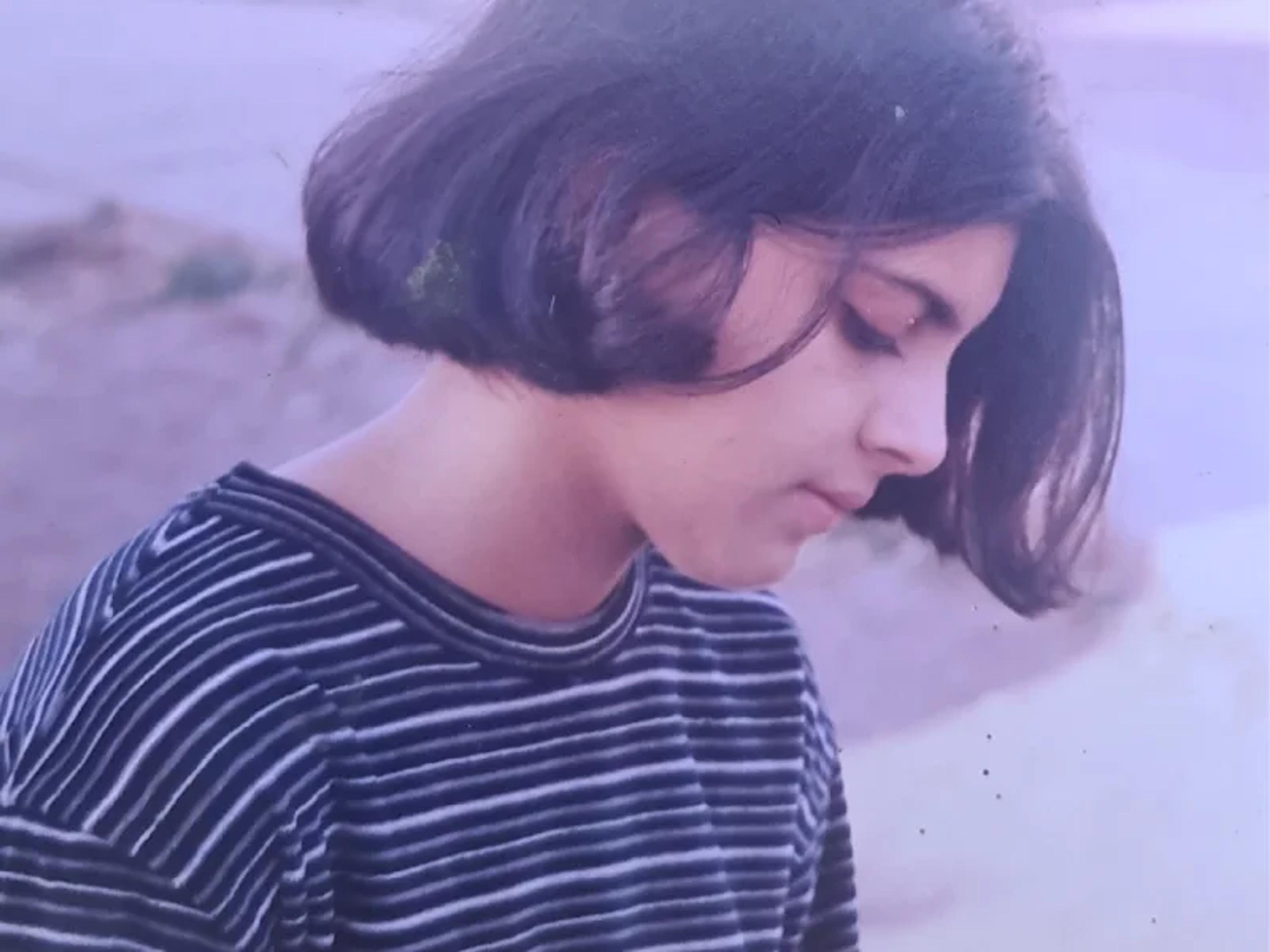
Our founder, Neha Panchamiya, grew up in suburban Mumbai, where wildlife lived in books and documentaries rather than on the doorstep. That changed at boarding school in the Sahyadris near Bhimashankar, run by the Krishnamurti Foundation of India. Forests replaced footpaths, silence replaced traffic, and leopards moved through the campus at night as though the hills belonged to them, which, of course, they did. Those encounters left behind a quiet, enduring fascination with what it means for wild and human lives to share a landscape.
Early 2000s
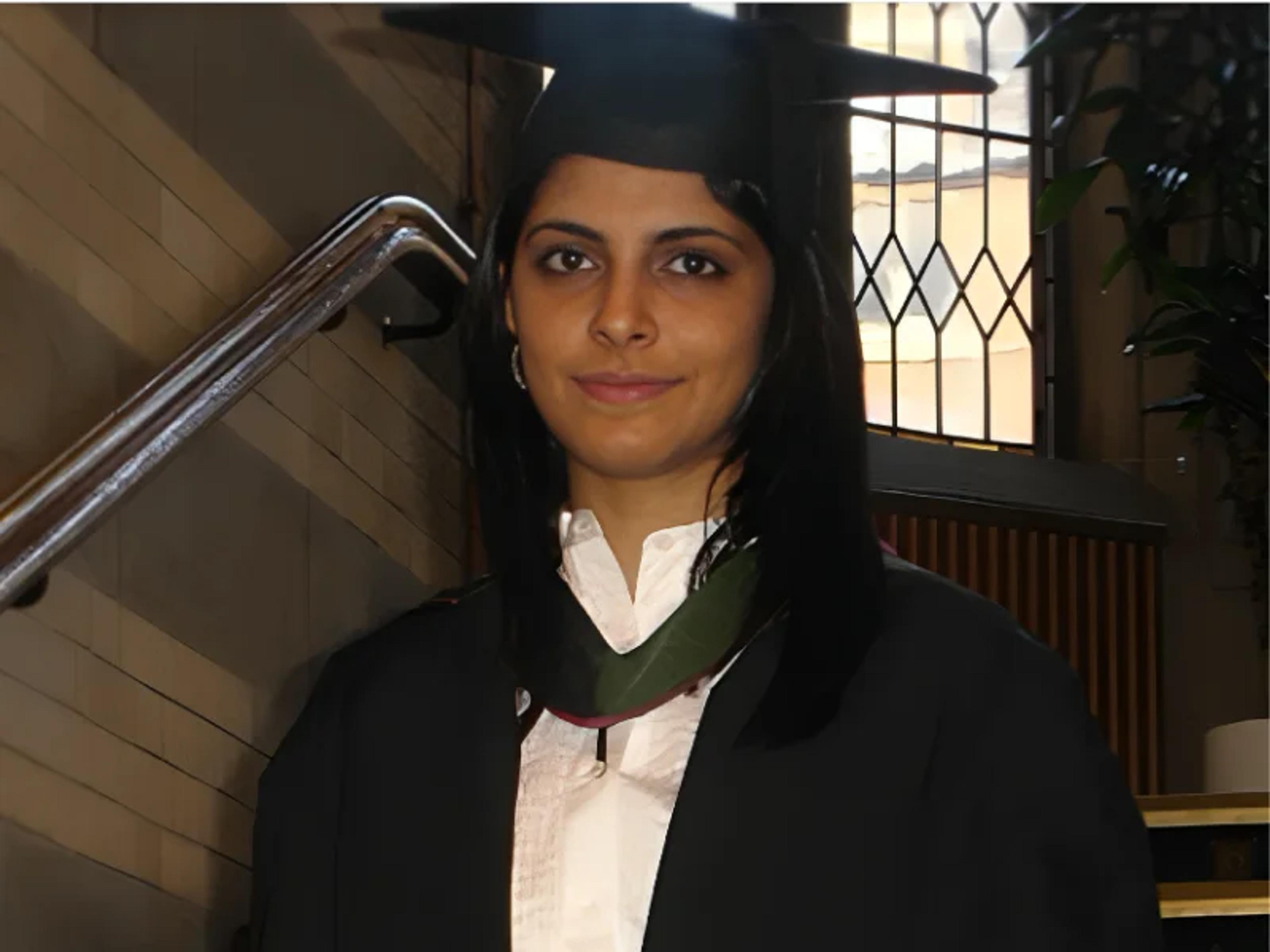
A Master's in medical sciences and nutrition built a strong grounding in science, research, and systems thinking. The training was in human health, but the discipline it instilled, evidence first, systems over symptoms, would come to define how RESQ approaches wildlife.
2006-2007
Pune was brimming with animal emergencies and had almost no systems to address them. Animals were injured, displaced, dying, and the calls for help went nowhere. At twenty-three, Neha began volunteering with a veterinarian, learning the unglamorous basics of rescue and first aid. One animal led to another, then another. RESQ Charitable Trust was formally established in 2007, not as a vision statement but as a practical answer to a pressing need.
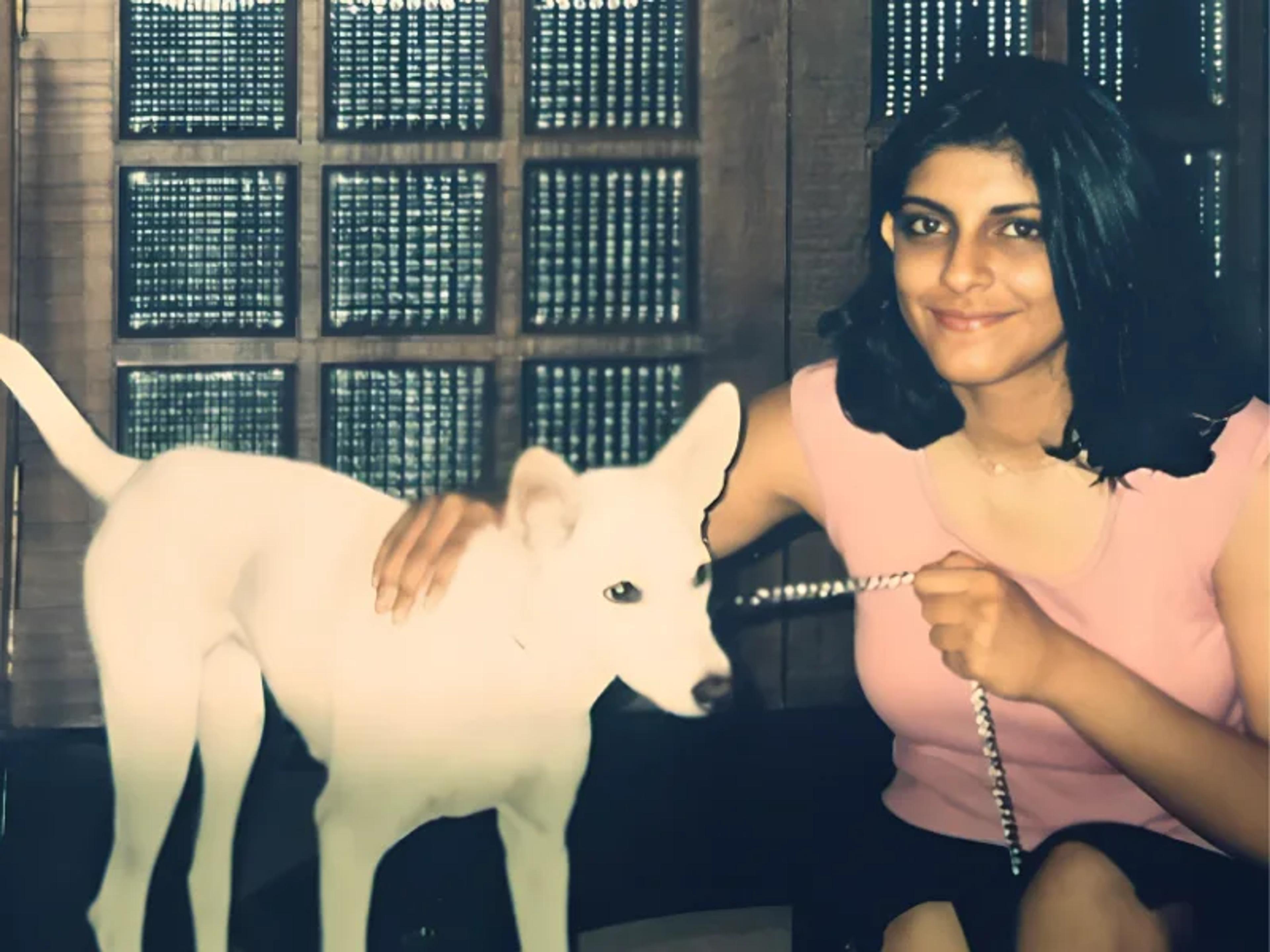
2007–2012
What followed was not a straight line; wildlife conservation rarely offers those. As Maharashtra's landscapes changed and human-wildlife conflict intensified, gaps in rescue systems, rehabilitation standards, and community preparedness became impossible to ignore, and RESQ changed with them. Every lacuna became a brief. Every challenge, an invitation. There was always more work than hands, and it demanded people who found that energising rather than defeating.
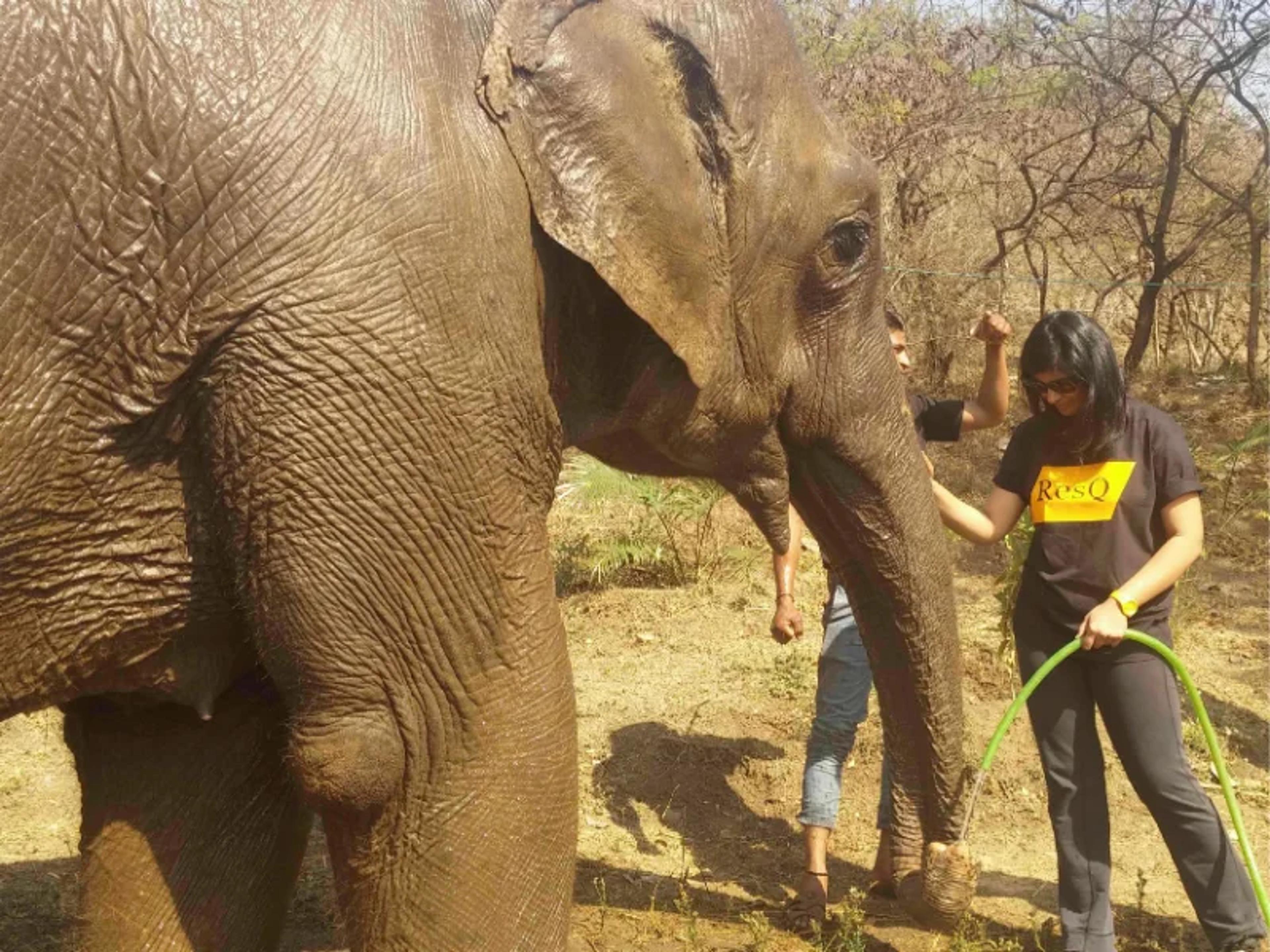
2013–2016
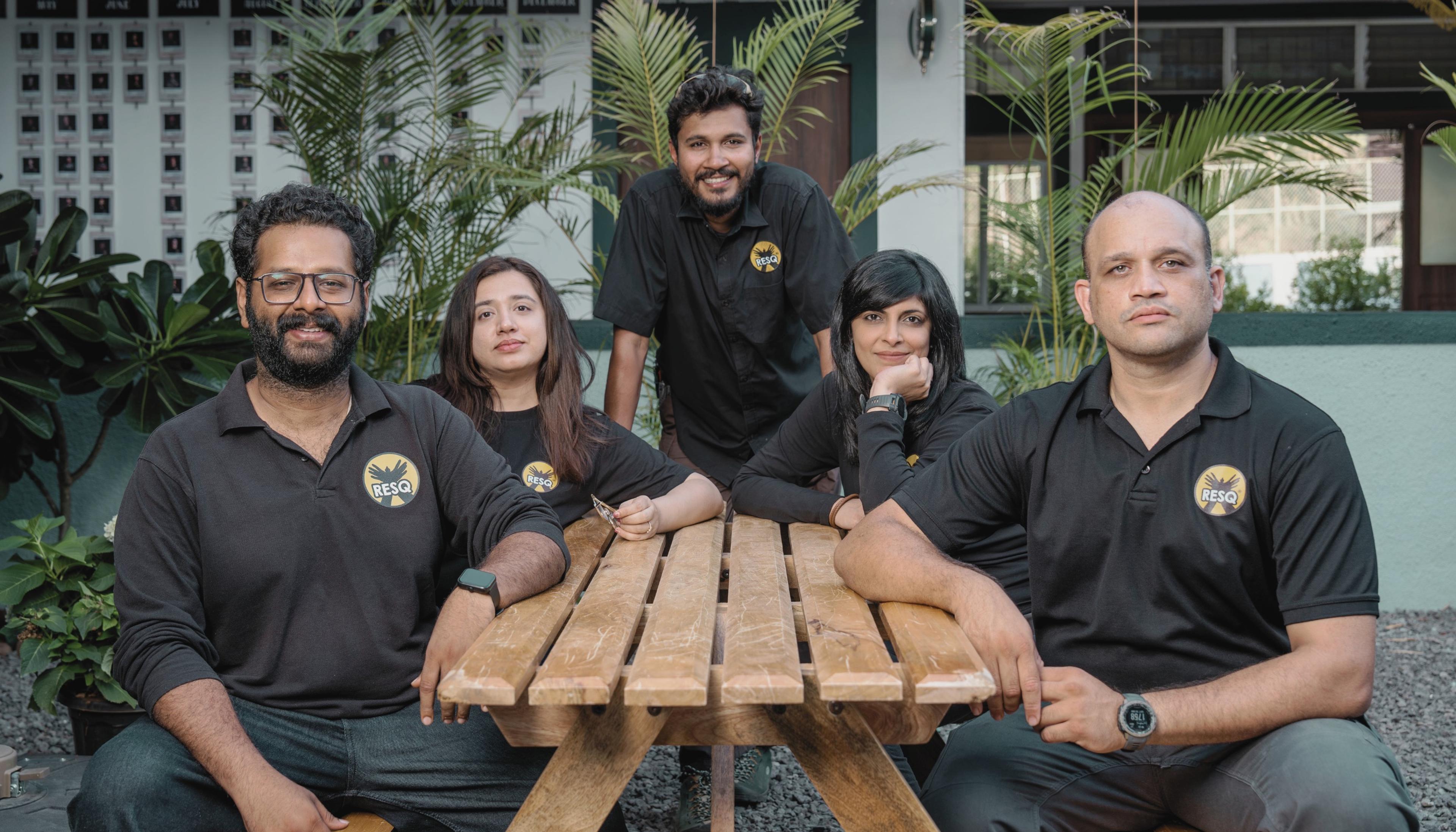
The joining of key team members, including Tuhin Satarkar and Fiyana Elavia, strengthened field operations, organisational systems, and governance. These years built the internal confidence and structure required to scale responsibly, turning a determined effort into a durable organisation.
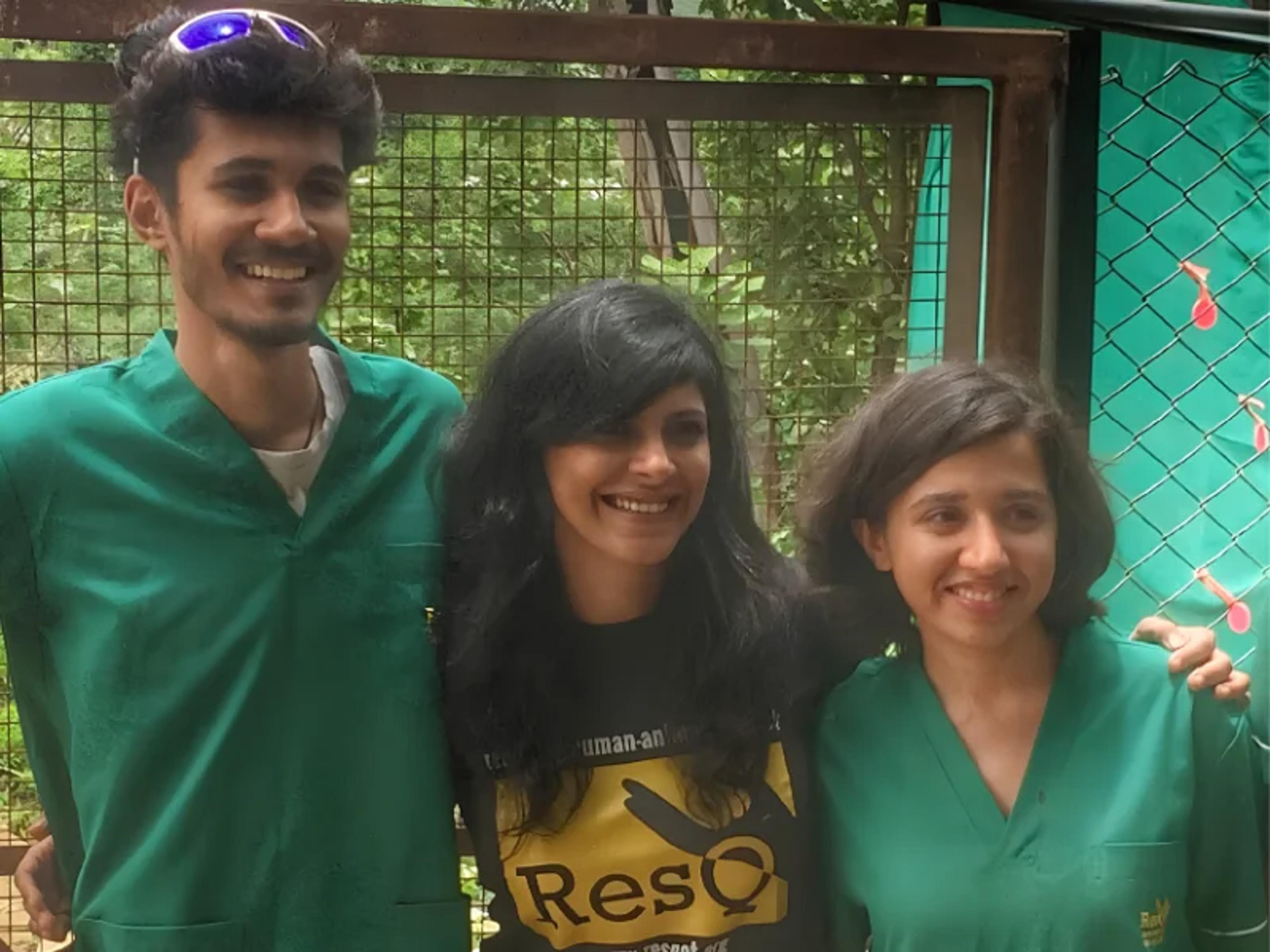
2017–2019
RESQ evolved beyond incident-based rescue towards structured veterinary care, rehabilitation planning, conflict mitigation, training, and prevention-focused programmes, working in close collaboration with the Maharashtra Forest Department. Rescue remained the front door; what stood behind it grew into something far larger.
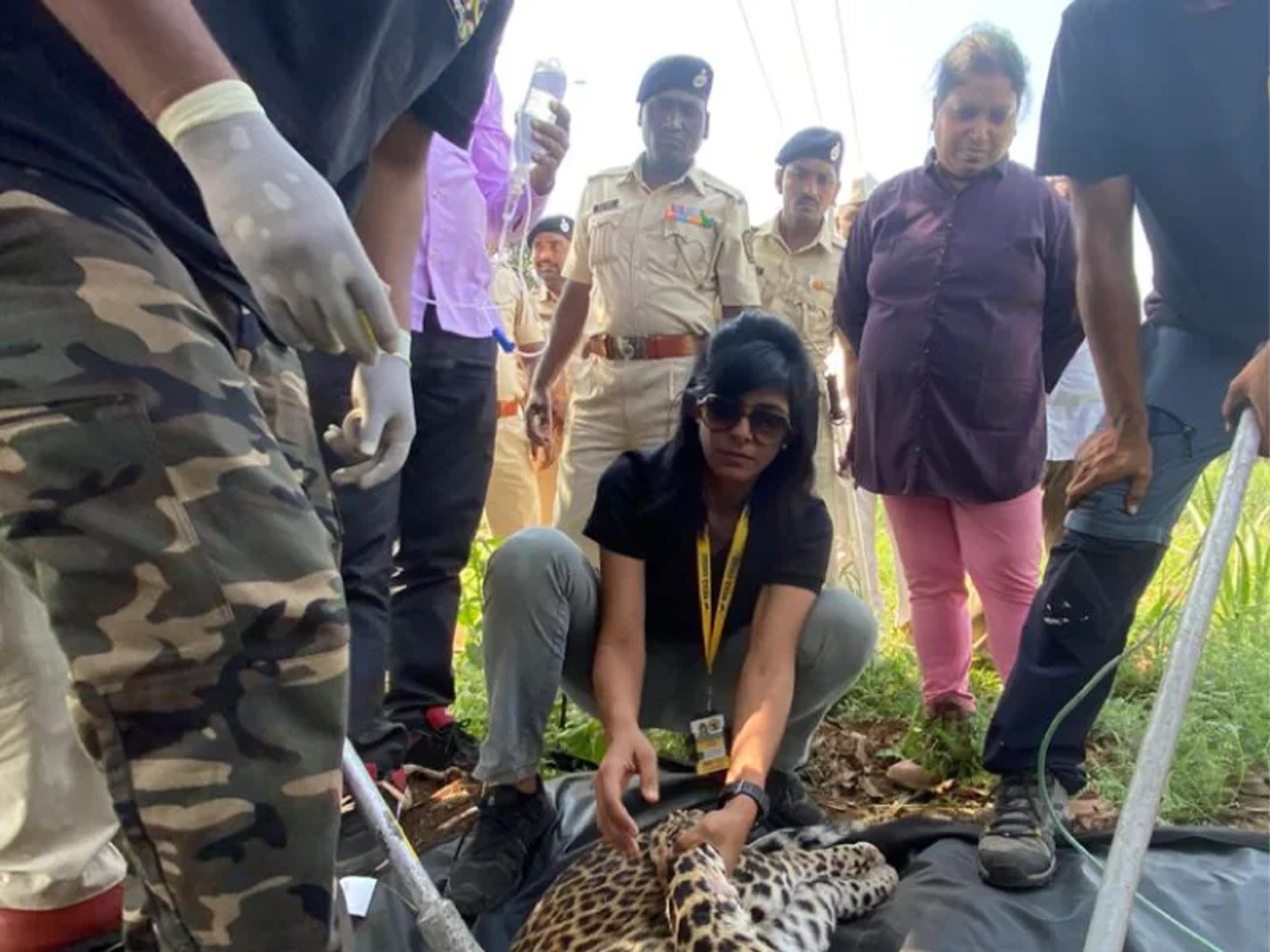
2020-2021
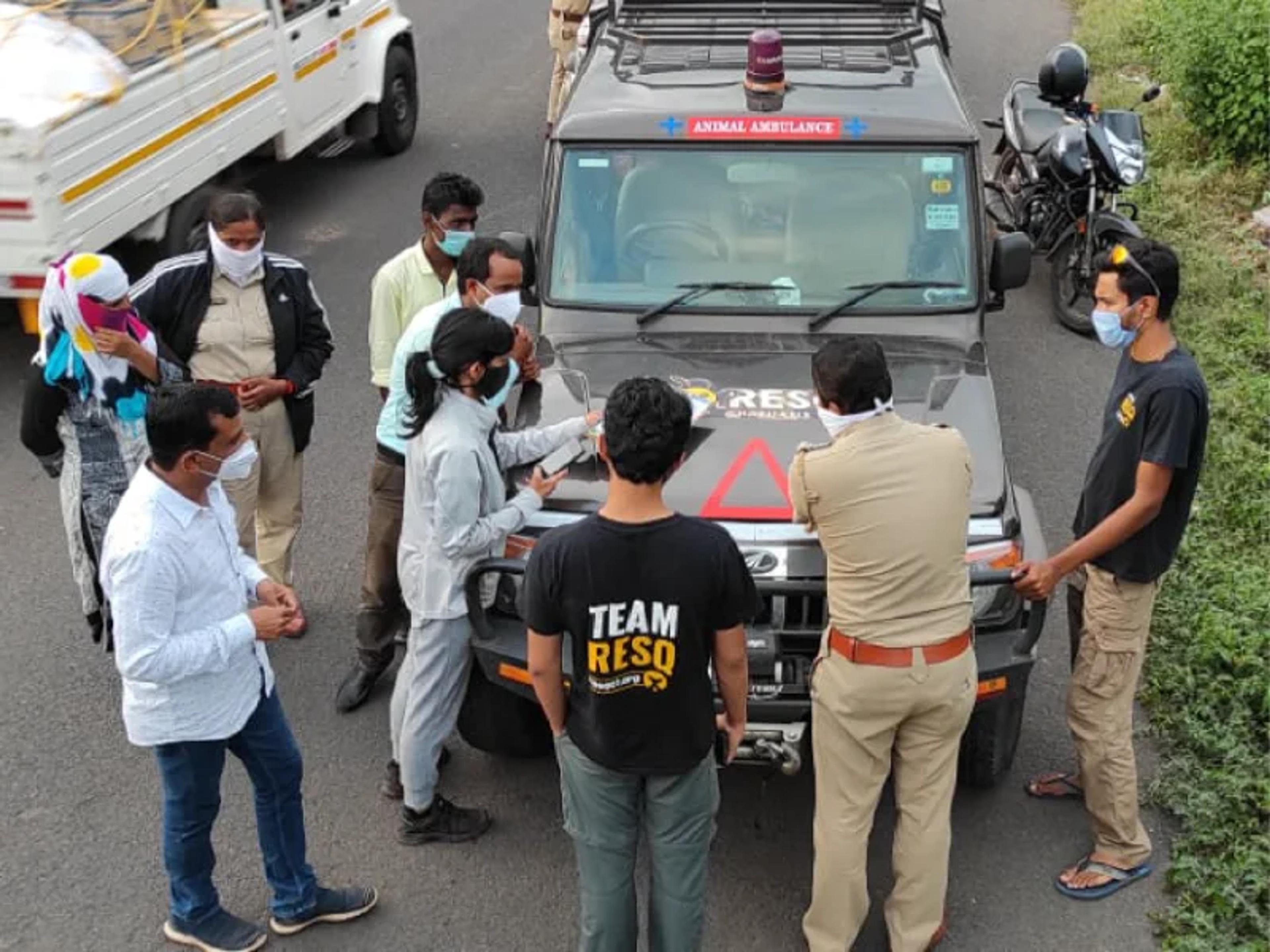
The COVID-19 pandemic presented unprecedented challenges to funding, mobility, and morale. Operations were sustained throughout without interruption, and the core team consolidated, emerging leaner, closer, and more certain of the mission than before.
2022–2023
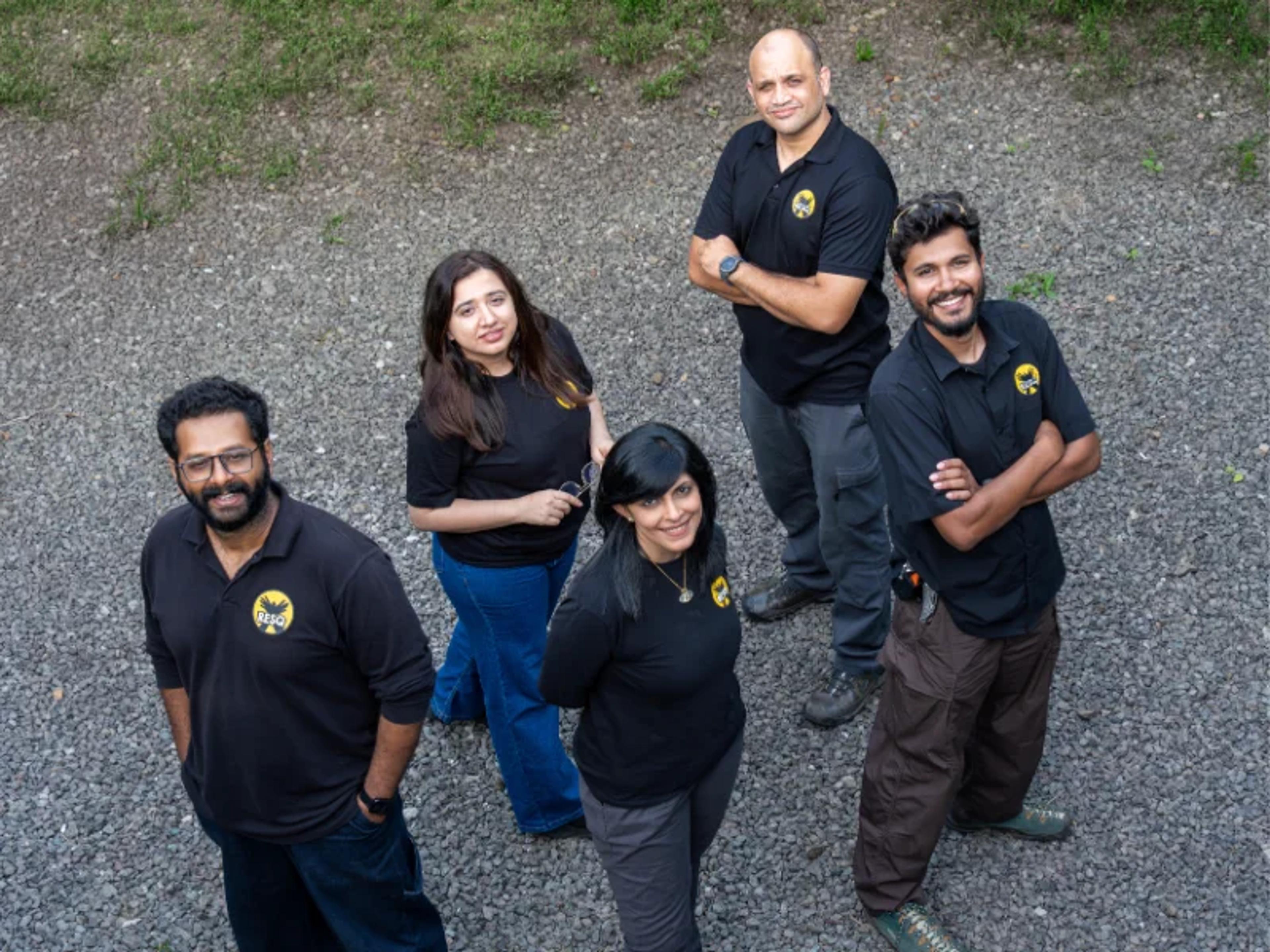
The post-pandemic years brought steady team expansion, improved infrastructure, and deeper integration of science, data systems, and coordinated response across landscapes. Nachiket Utpat and Kiran Rahalkar joined during this period, further strengthening field strategy and response capacity.
2024-2025
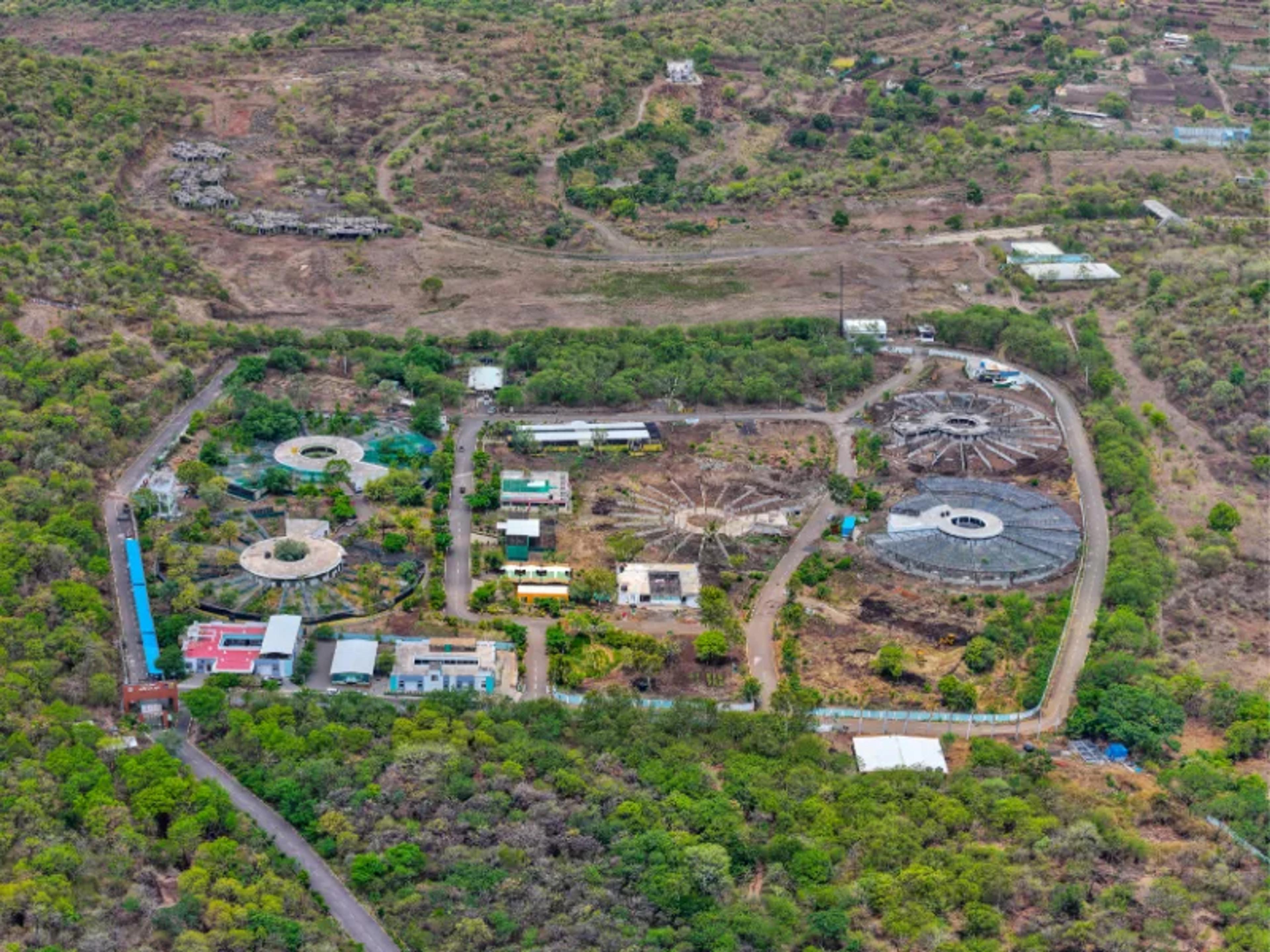
The existing partnership with the Maharashtra Forest Department deepened through the expansion of the Wildlife Transit Treatment Centres in Pune and Nashik, enhancing long-term capacity for wildlife treatment, rehabilitation, and conflict response across the state.
2026 >
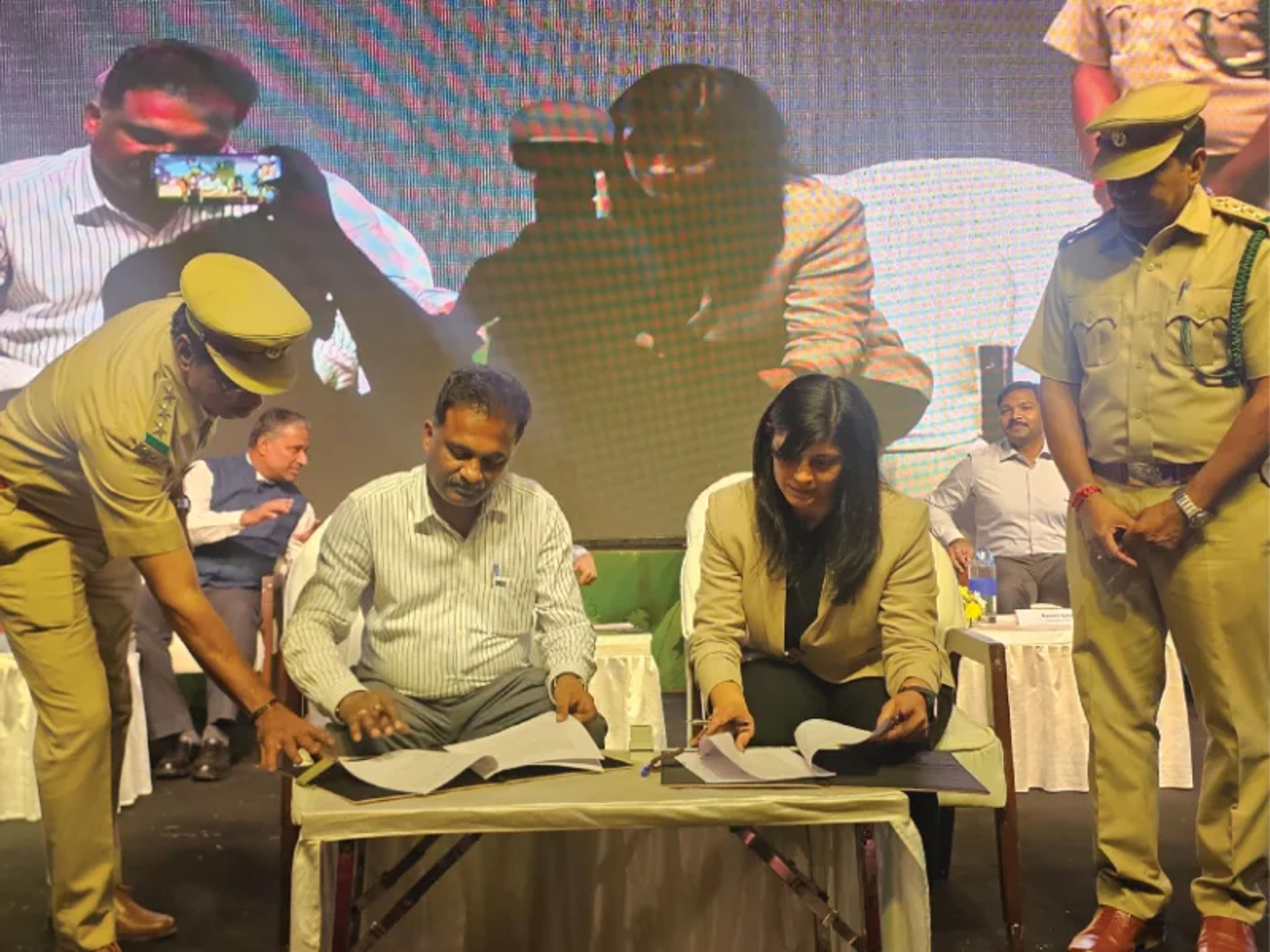
RESQ's conservation action programme extended into Goa, in partnership with the Goa State Forest Department, with a Wildlife Transit Treatment Centre in Ponda. What began as one city's answer to its own emergencies now serves two states.
Today
She will also be the first to say that sparks, left to themselves, go out. What kept this one burning was the people who joined it: veterinarians, field rescuers, conservationists, educators, administrators, and advocates who chose, year after year, to show up for work that is physically demanding, emotionally unrelenting, and rarely finished. Today, a team of over 150 individuals is the true engine of RESQ CT, carrying forward a mission larger than any single person.
...WE CONTINUE TO WORK ON!
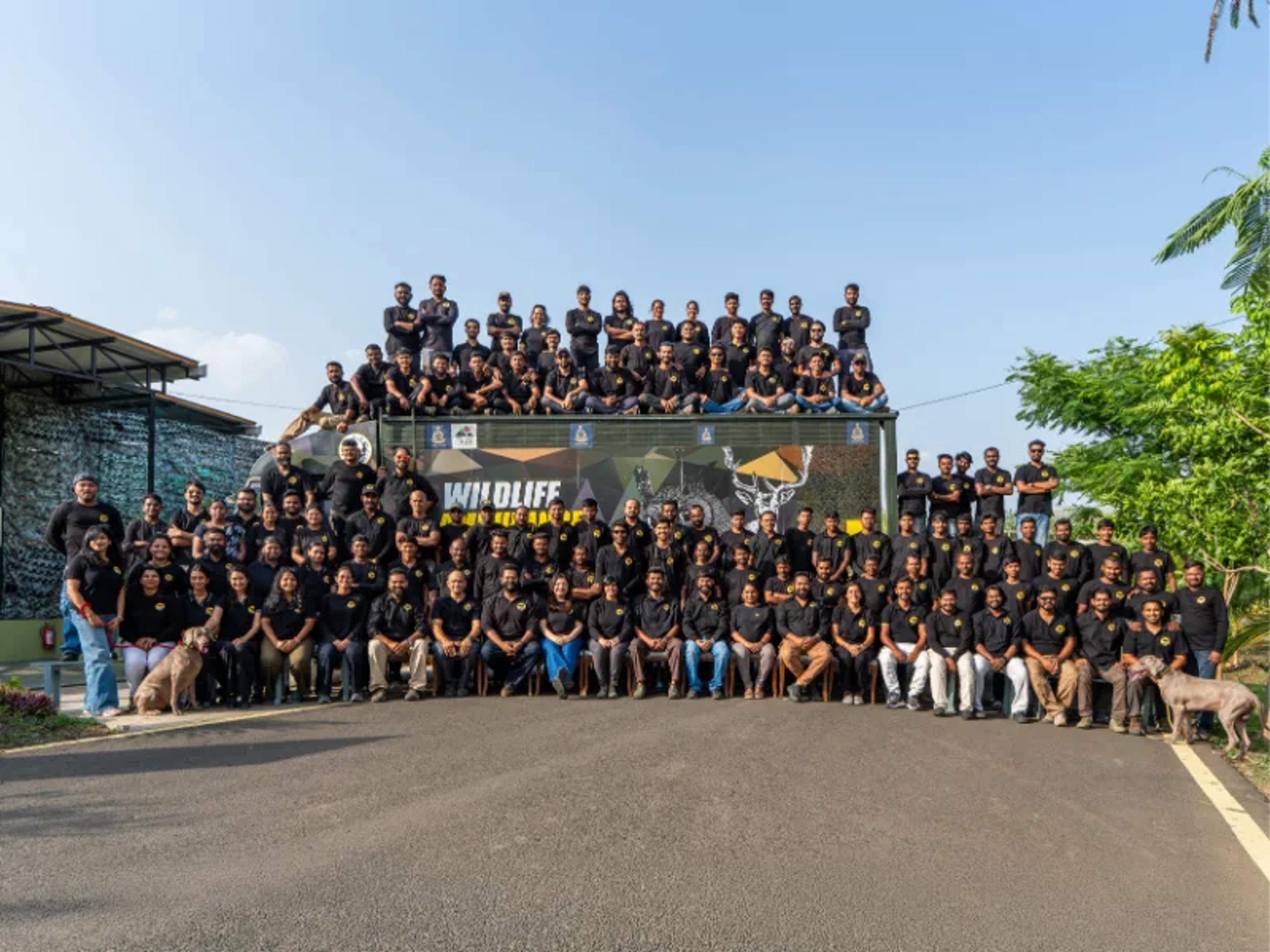
The story of RESQ CT is, at its heart, a story about what happens when you stop waiting for the world to fix what it seems perfectly content to ignore, and choose instead, with very little certainty and rather a lot of determination, to become part of that change yourself. And then find, gratefully and somewhat miraculously, that you are no longer doing it alone.
 Read moreOur PurposeWhy RESQ's work cannot wait: One Health, coexistence and long-term impact.
In About us
 About RESQYou're hereOur storyOur purpose
 Our approach
 Our team
 Our partners
Support this work
A rescue is only the first step. Treatment, rehabilitation, release and the prevention work that follows all depend on people who choose to stand behind it.
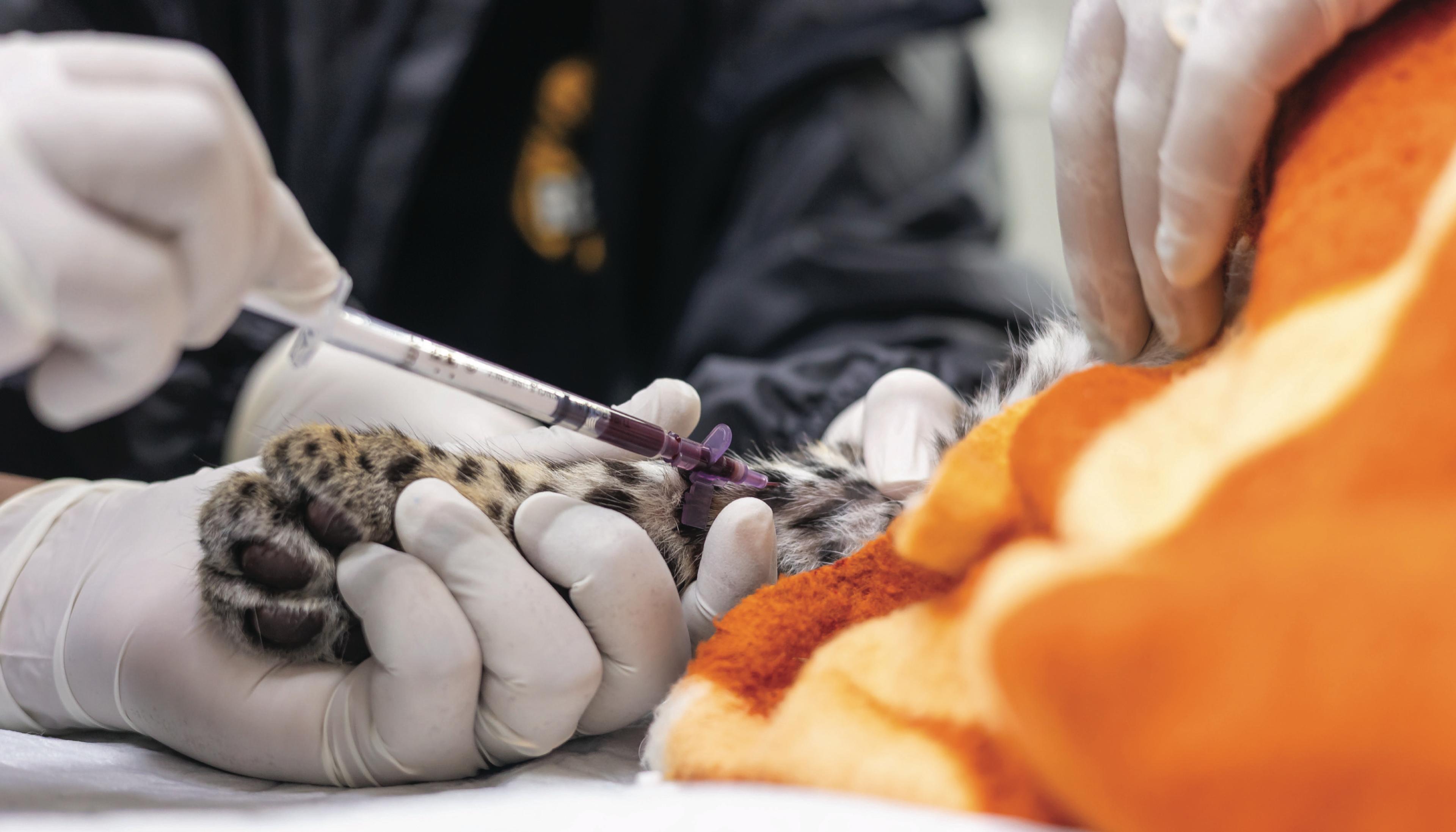
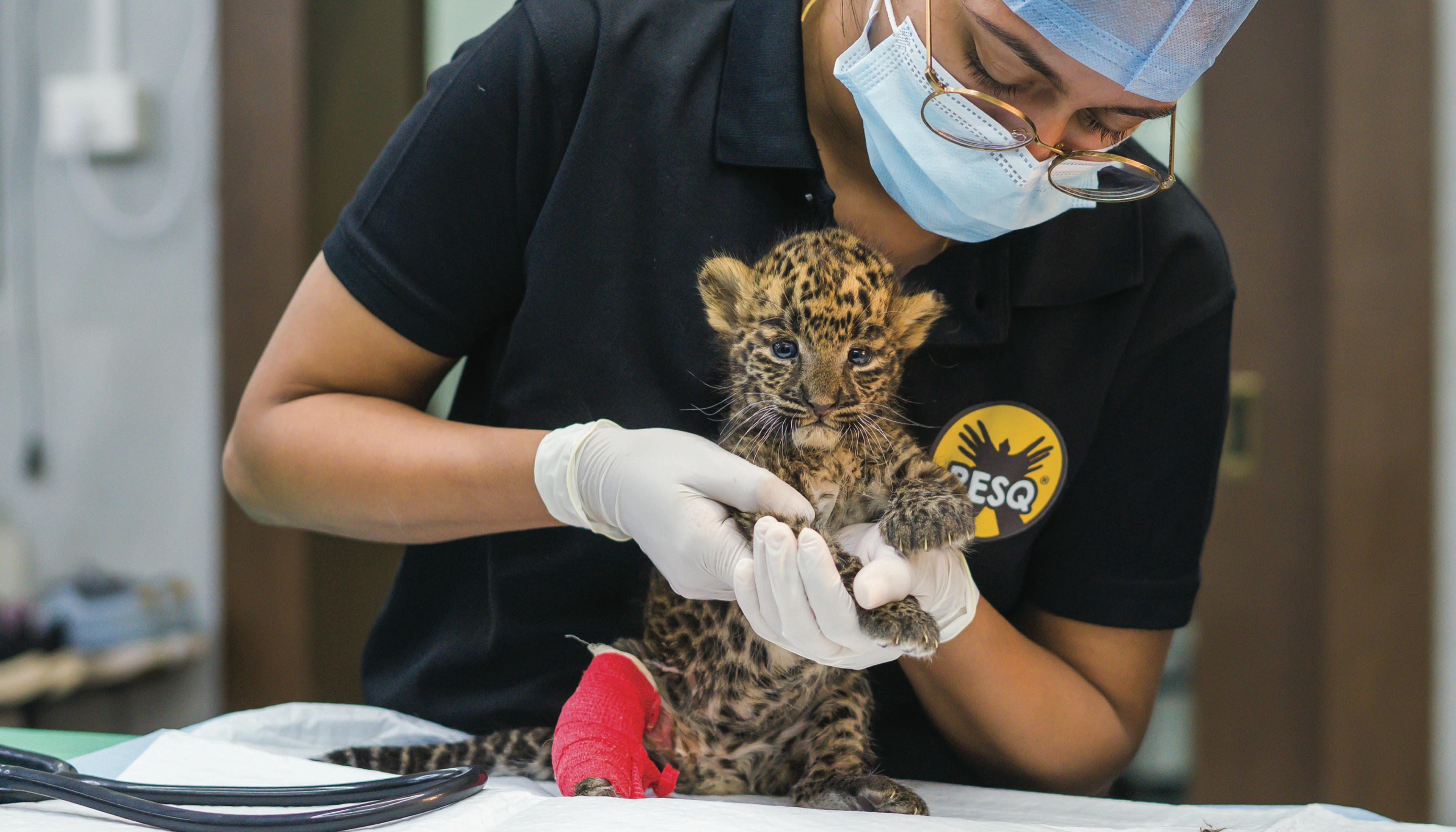
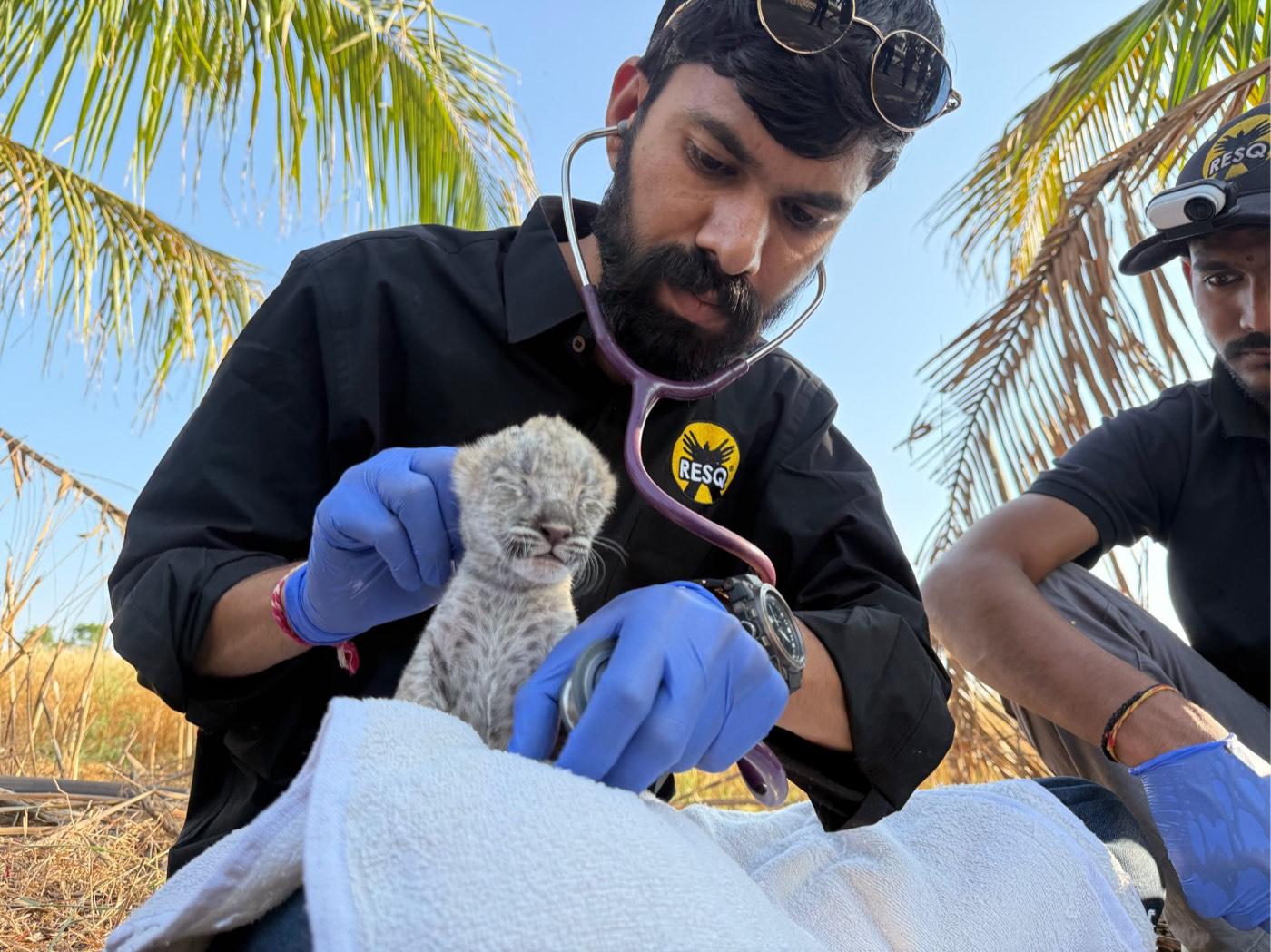
DonatePhoto: a RESQ vet examines a rescued leopard cub in the field.
Work alongside us
Individuals, students and groups support our centres, field teams and outreach programmes through the year. Every volunteer is trained and works to a shared code of conduct.
Volunteer with us