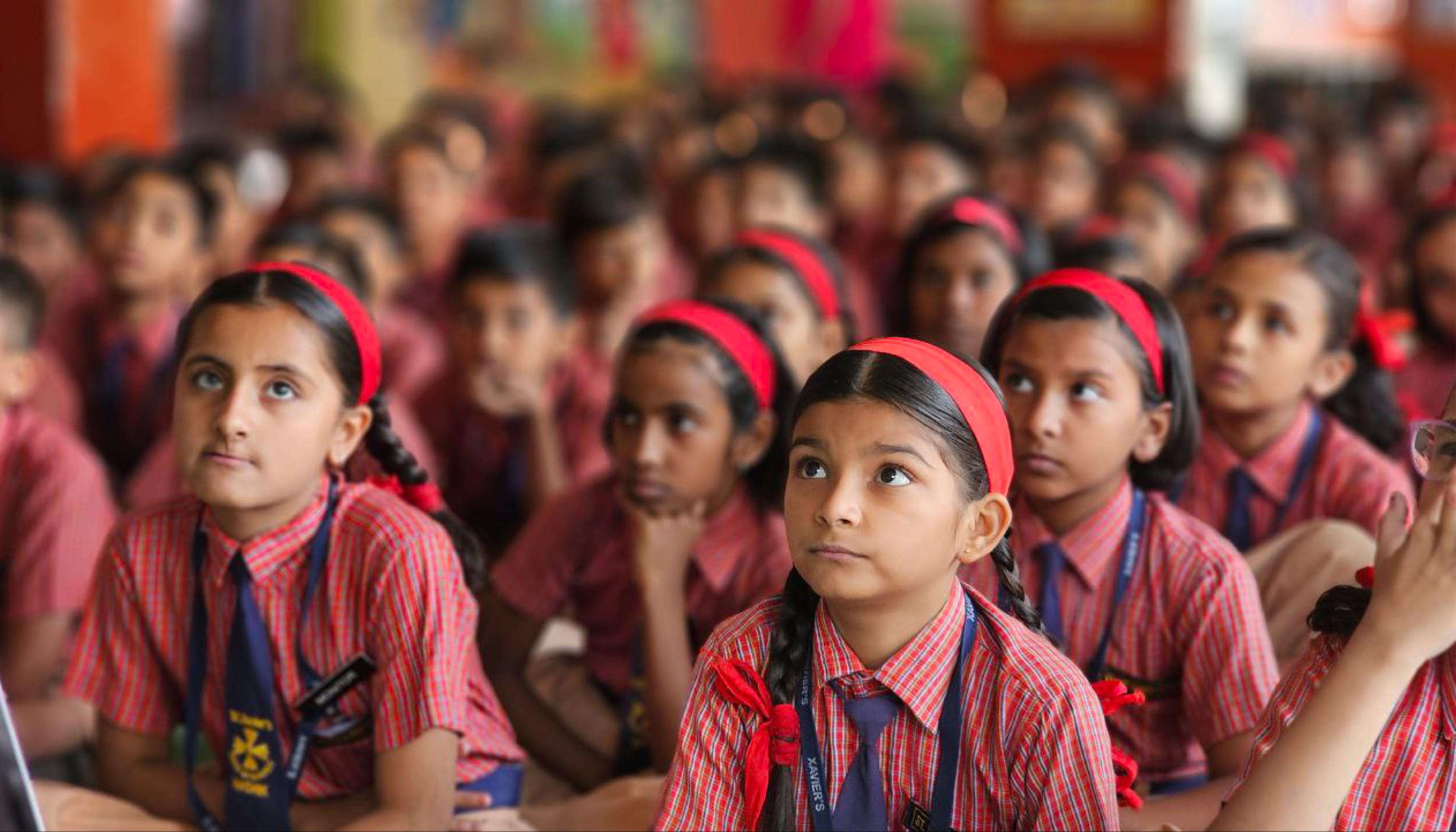
Most wildlife encounters in India are decided not by the animal, but by what the first human on the scene knows. A farmer who finds leopard cubs in sugarcane, a resident who discovers a snake indoors, a student who sees a bird tangled in manja: each makes a decision in minutes that determines whether the encounter ends in coexistence or casualty. Rescue and enforcement respond after the fact. Education works earlier, replacing fear and misinformation with factual, actionable knowledge before the encounter happens.
Our education work is built on the understanding that no single message fits every audience. A session for factory workers in a leopard-fringe area looks nothing like one delivered to a corporate team in the city, and neither resembles a curriculum module for schoolchildren. We work across urban, rural, and tribal Maharashtra, in local languages, with content shaped by the species, conflict scenarios, and lived experience of each community. In conflict-prone areas, engagement is never a single visit; our teams return repeatedly, because sustained coexistence requires sustained dialogue.
The long-term aim is a conservation-ready society. From classrooms to gram panchayats, housing societies to tribal hamlets, every session builds the same foundation: an accurate understanding of the animals people share their landscapes with, and the practical tools to navigate that interface safely. The programmes below are how that work is delivered.
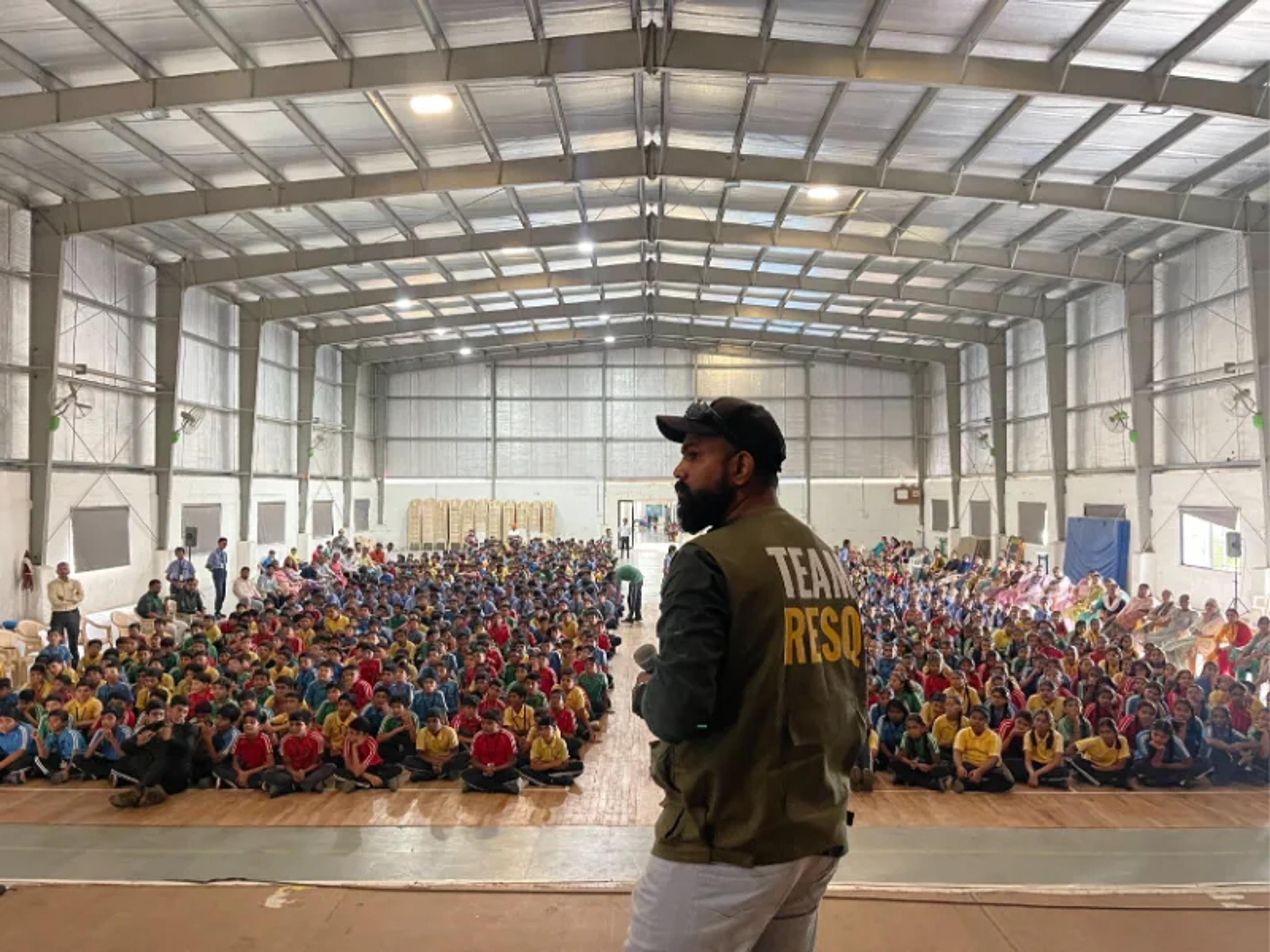
Sahjeevan, meaning "Coexist", is our outreach programme for communities living alongside wildlife, from urban students and corporate teams to farming villages and tribal hamlets. Sessions are tailored to each audience's landscape and lived experience, covering leopard and snake safety, the ecology of commonly encountered species, and practical conflict prevention.
Read more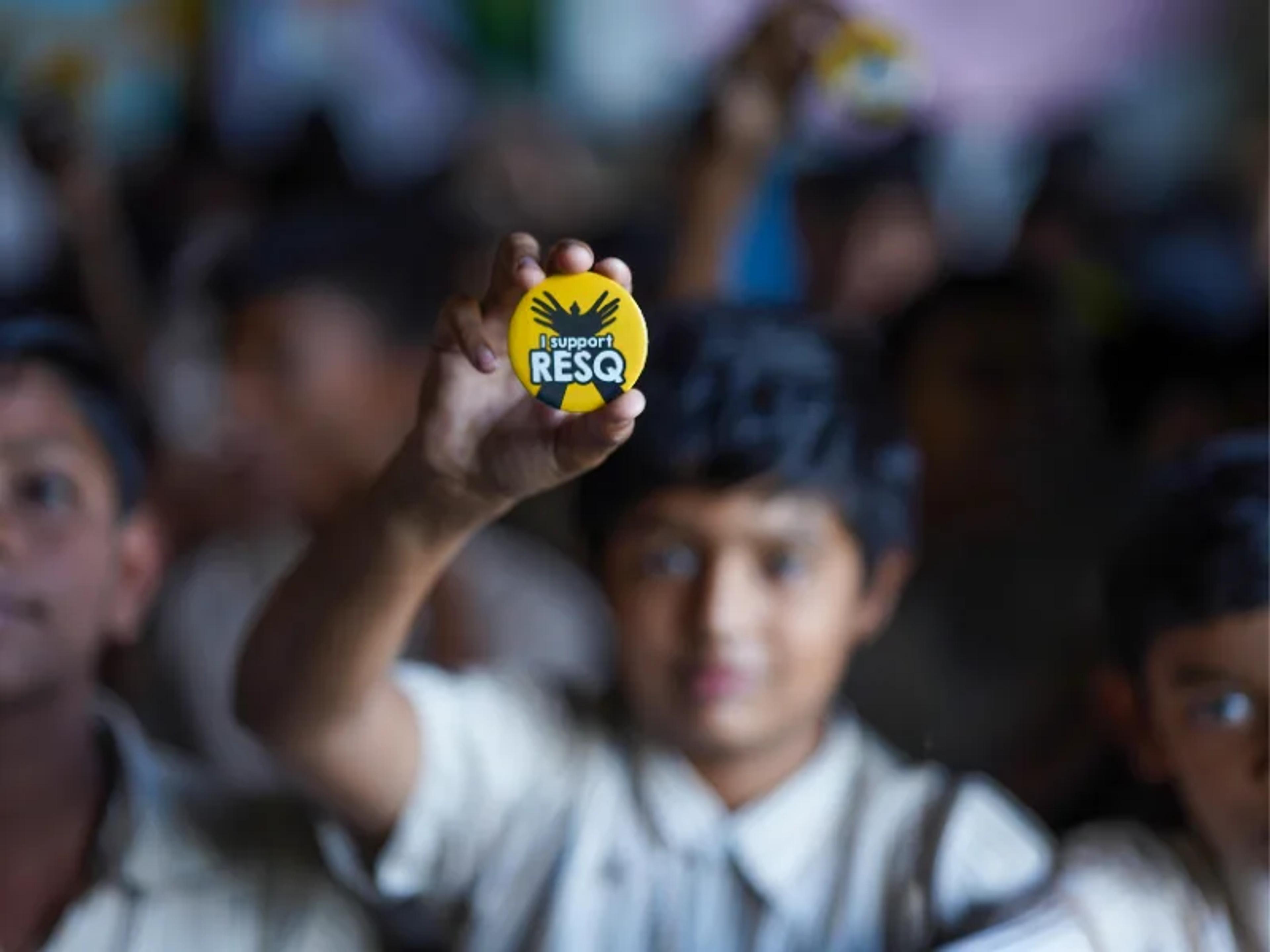
AWARE India is our structured school curriculum programme, nurturing ecological literacy and empathy in children from an early age. Unlike standalone awareness sessions, it is a curriculum-integrated module spanning companion animals, urban wildlife, and wild species in their ecosystems, building factual understanding alongside emotional connection.
Read more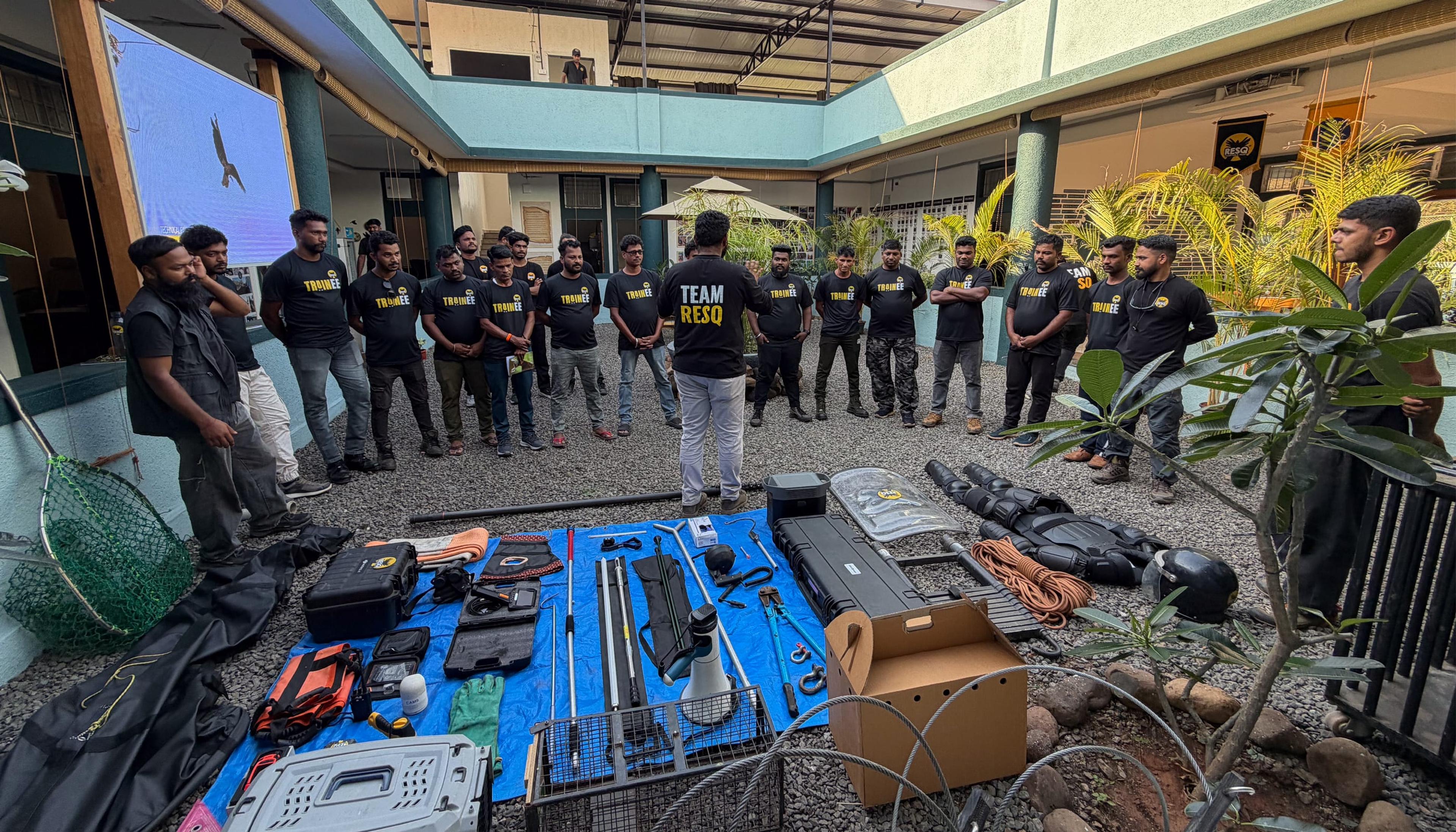 Read moreTraining and Capacity BuildingNo single organisation can be everywhere a wild animal needs help. The outcome of most wildlife emergencies in India is decided by whoever reaches the scene…
In Our work
Support this work
A rescue is only the first step. Treatment, rehabilitation, release and the prevention work that follows all depend on people who choose to stand behind it.
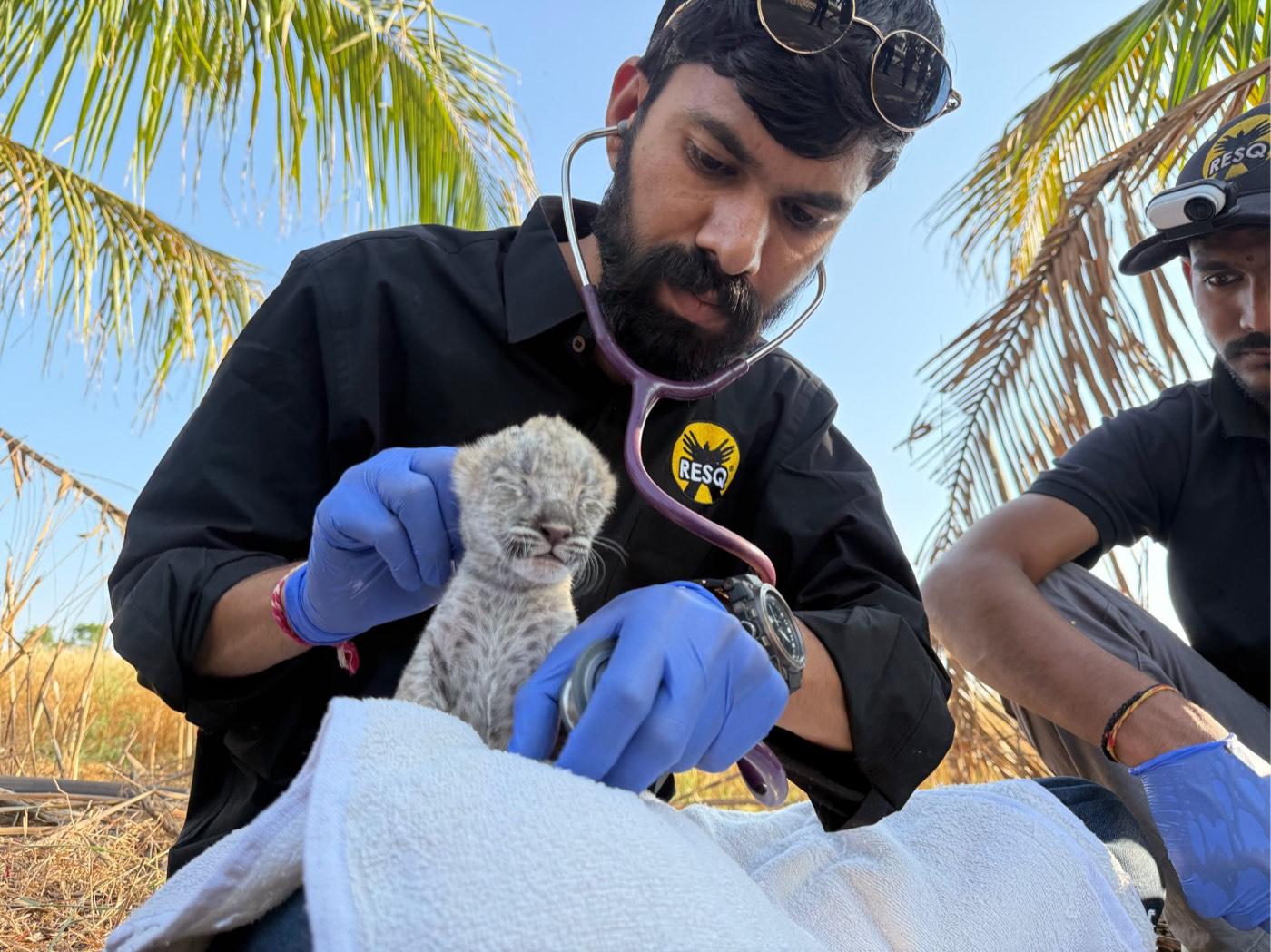
DonatePhoto: a RESQ vet examines a rescued leopard cub in the field.
Work alongside us
Individuals, students and groups support our centres, field teams and outreach programmes through the year. Every volunteer is trained and works to a shared code of conduct.
Volunteer with us