Wildlife does not recognise the boundaries that humans draw between forest and field, between protected area and peri-urban fringe. As our landscapes continue to change, driven by agricultural expansion, infrastructure growth, and rapid urbanisation, the frequency of encounters between people and wildlife has increased correspondingly. The consequences of these interactions are rarely neutral. For humans, they can mean fear, property damage, livestock loss, injury, and in severe cases, death. For wildlife, they can mean persecution, injury, displacement, or a slow erosion of the space and safety they need to survive.
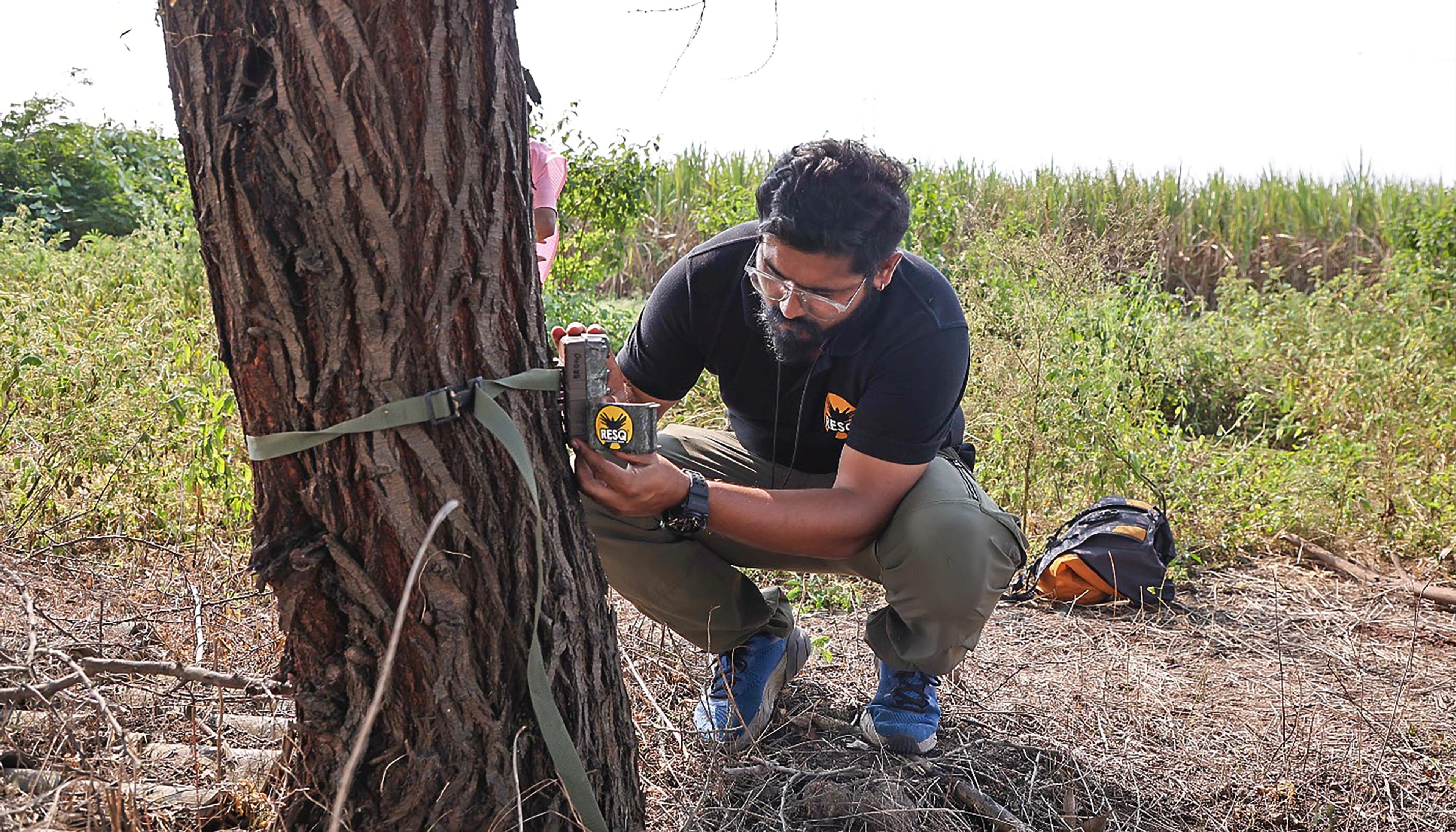
At RESQ, conflict response or resolution is not defined by the capture of an animal. In the vast majority of cases, our intervention is about assessment, de-escalation, and creating the conditions for the animal to move safely away. We work in close coordination with State Forest Departments, whose authorisation governs every field operation. We support through tracking, behavioural assessment, thermal UAV monitoring, detection dog deployment, community communication, and veterinary readiness. Capture is a last resort, not a default.
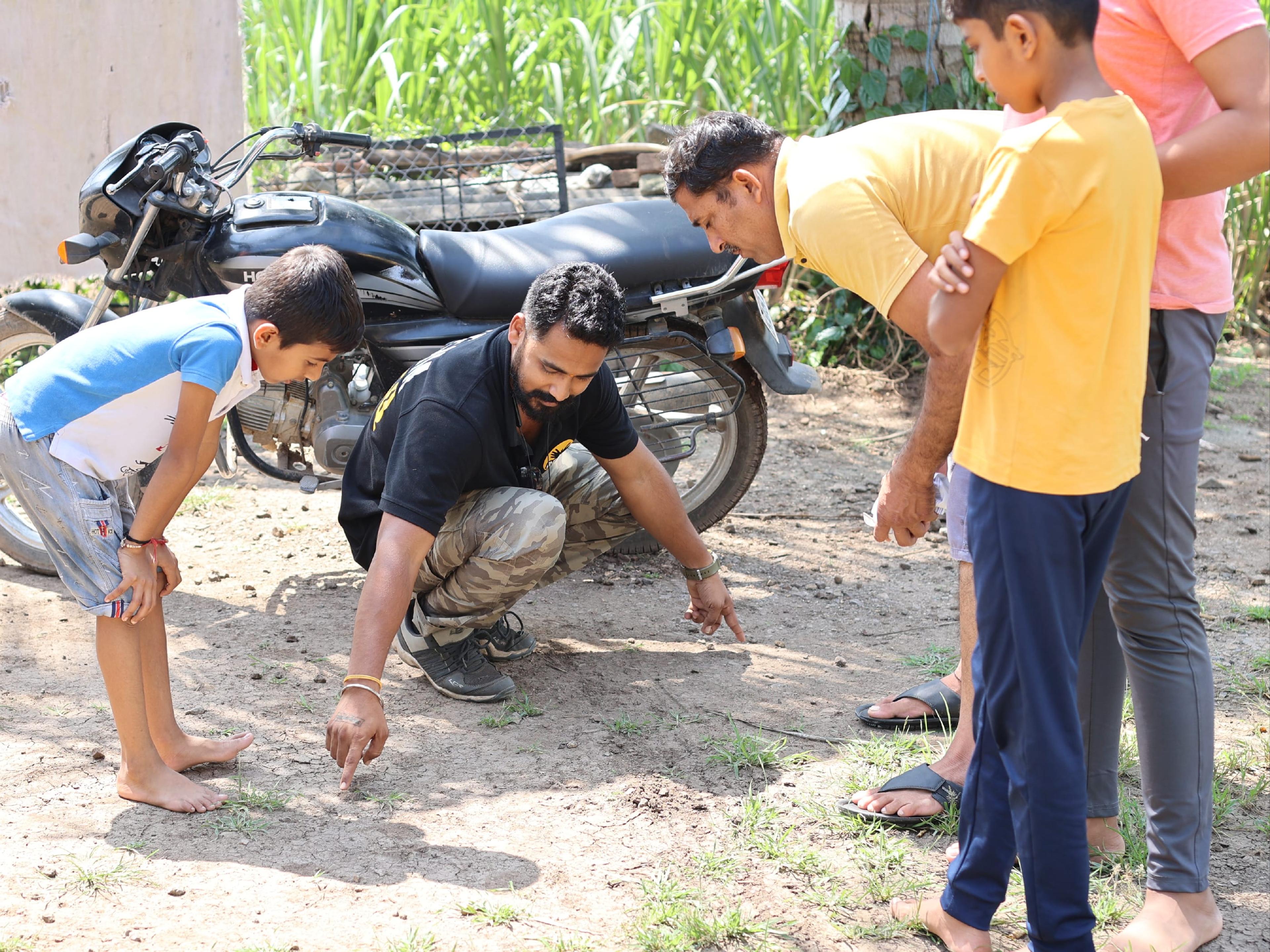
Two-track human-leopard conflict management combining field verification and monitoring with site-specific community engagement, to distinguish transient presence from genuine risk and keep both people and leopards safe.
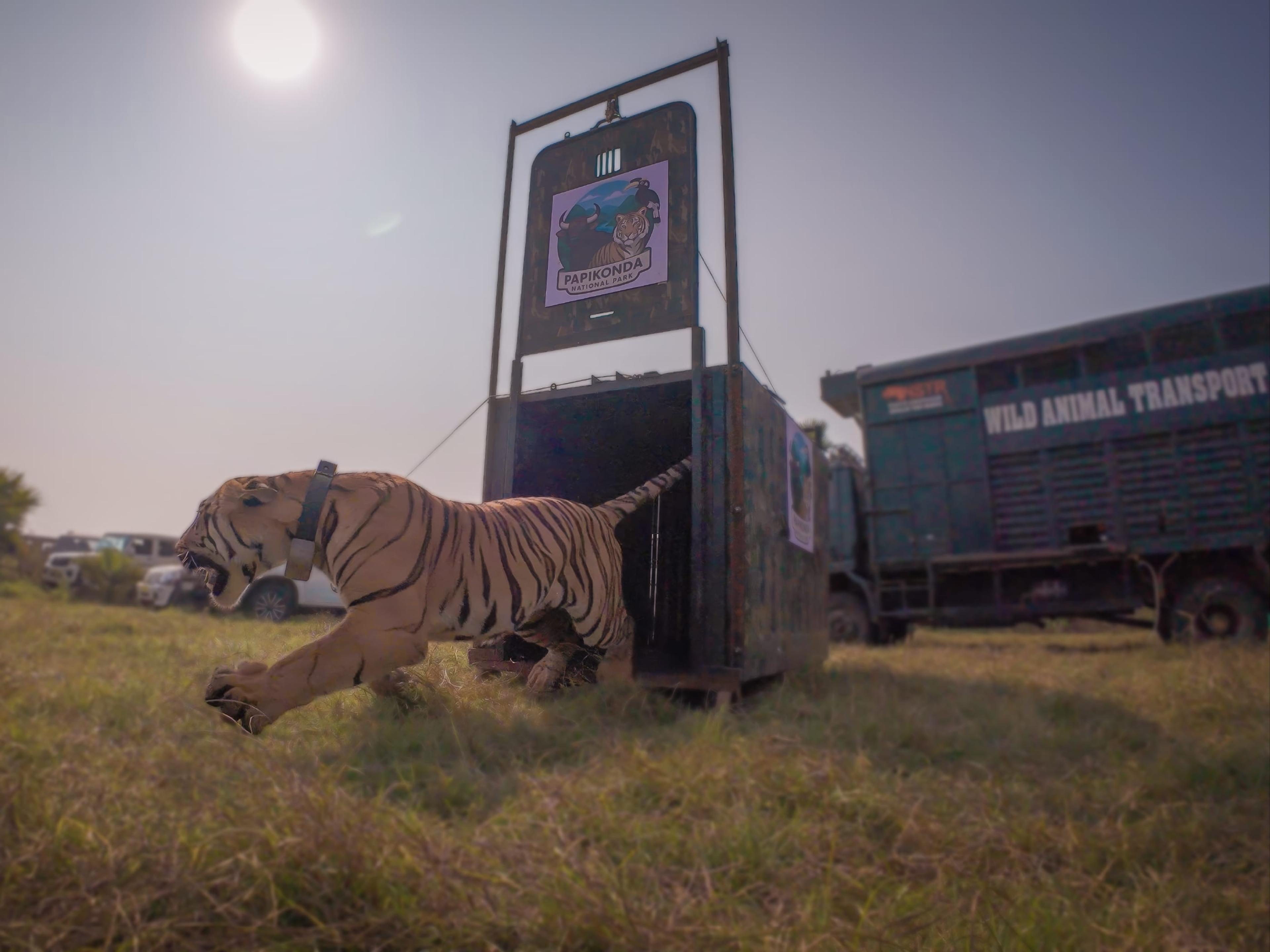
Support to Forest Departments when tigers stray beyond protected areas into villages, farmland and urban fringes, using tracking, thermal UAV monitoring and crowd management to let the animal move on, with precision darting and safe relocation only where it cannot.
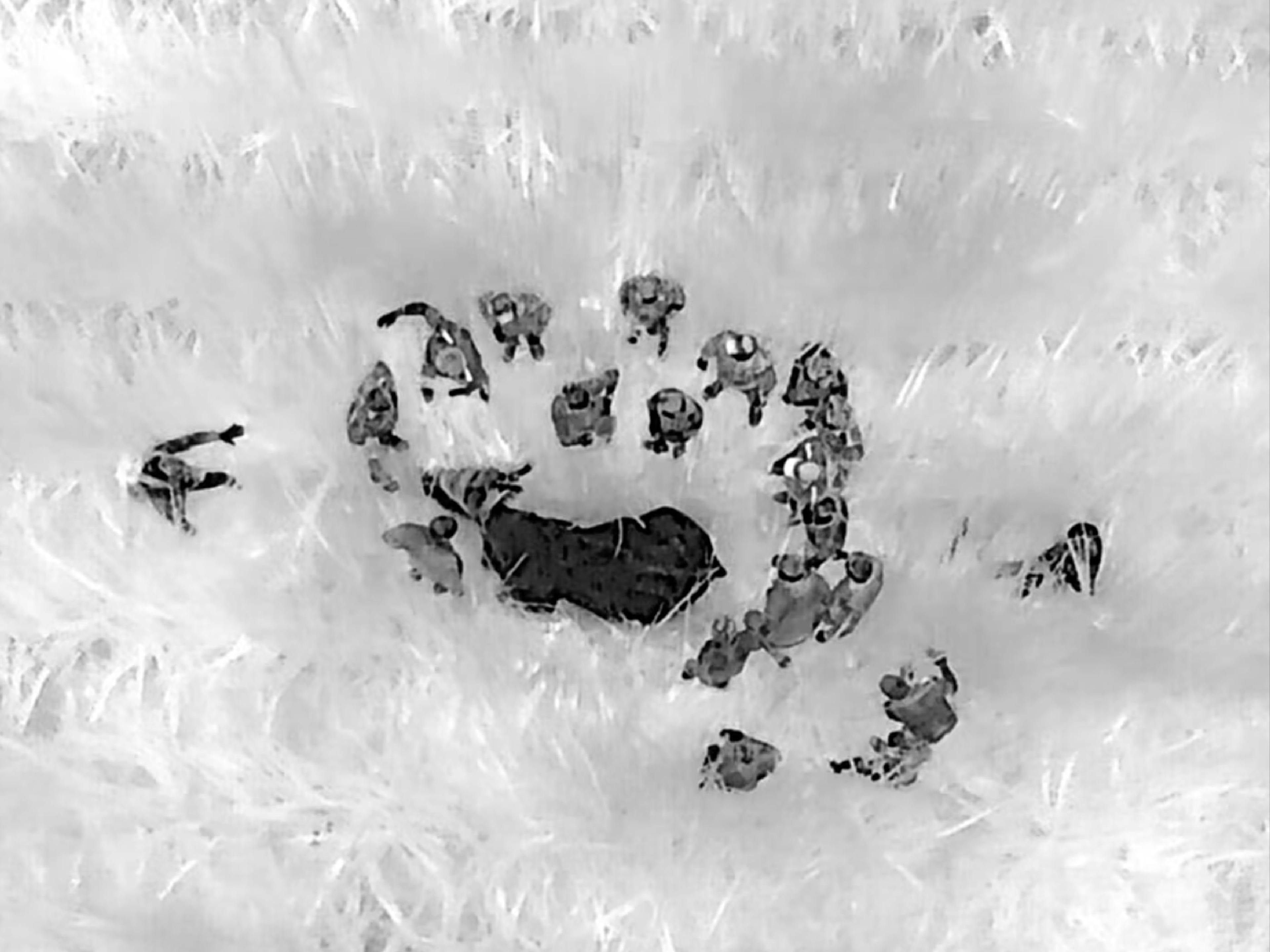
Response to gaur straying onto highways, into towns, and into wells and pipelines, where close to a tonne of stressed animal calls for drone tracking, silent crowd corridors and darting from a safe position before release back to forest habitat.
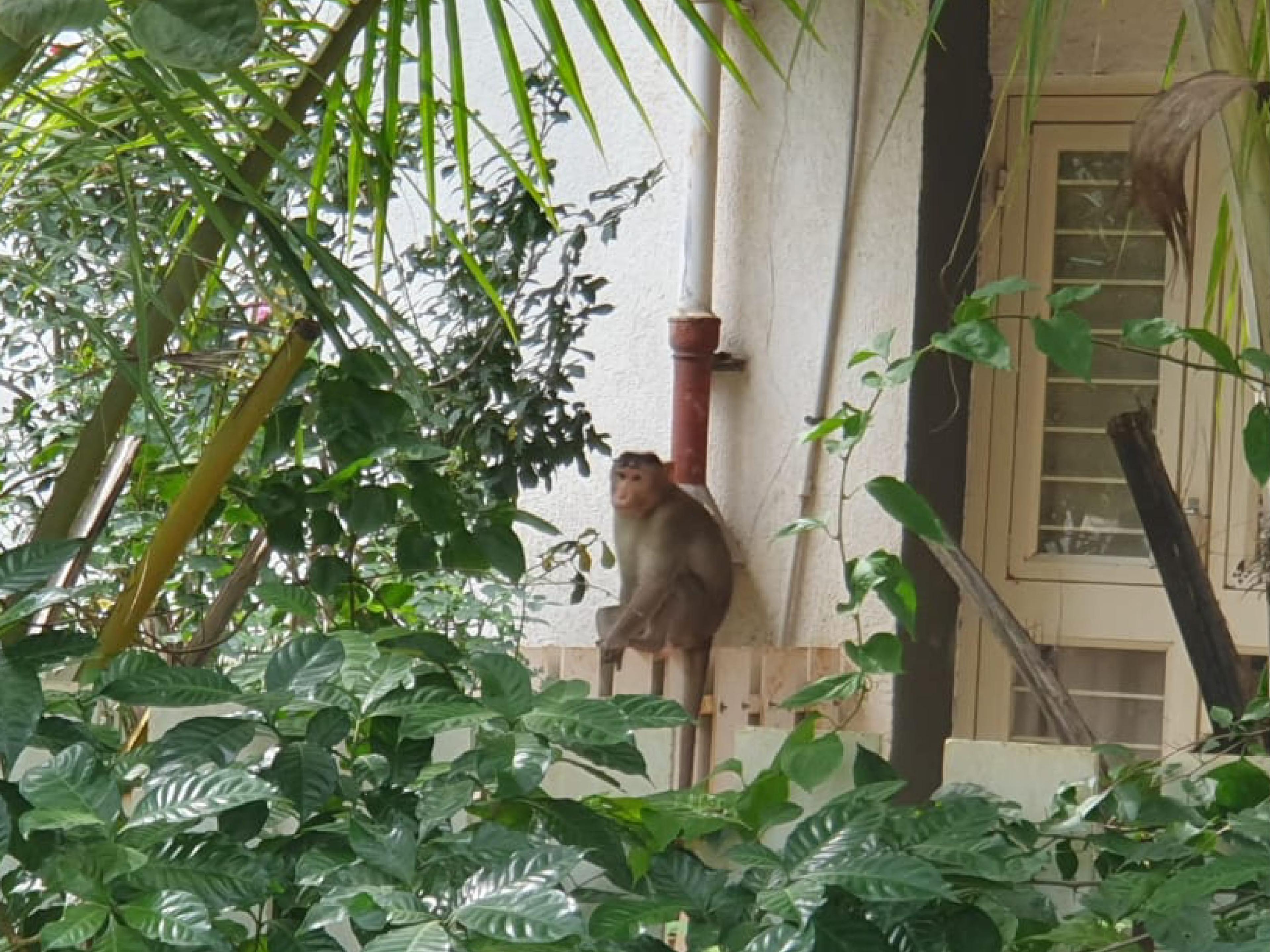
Human-primate conflict driven by habitat fragmentation, unregulated feeding, and waste mismanagement, with grey langurs, bonnet macaques, and rhesus macaques as the principal species involved.
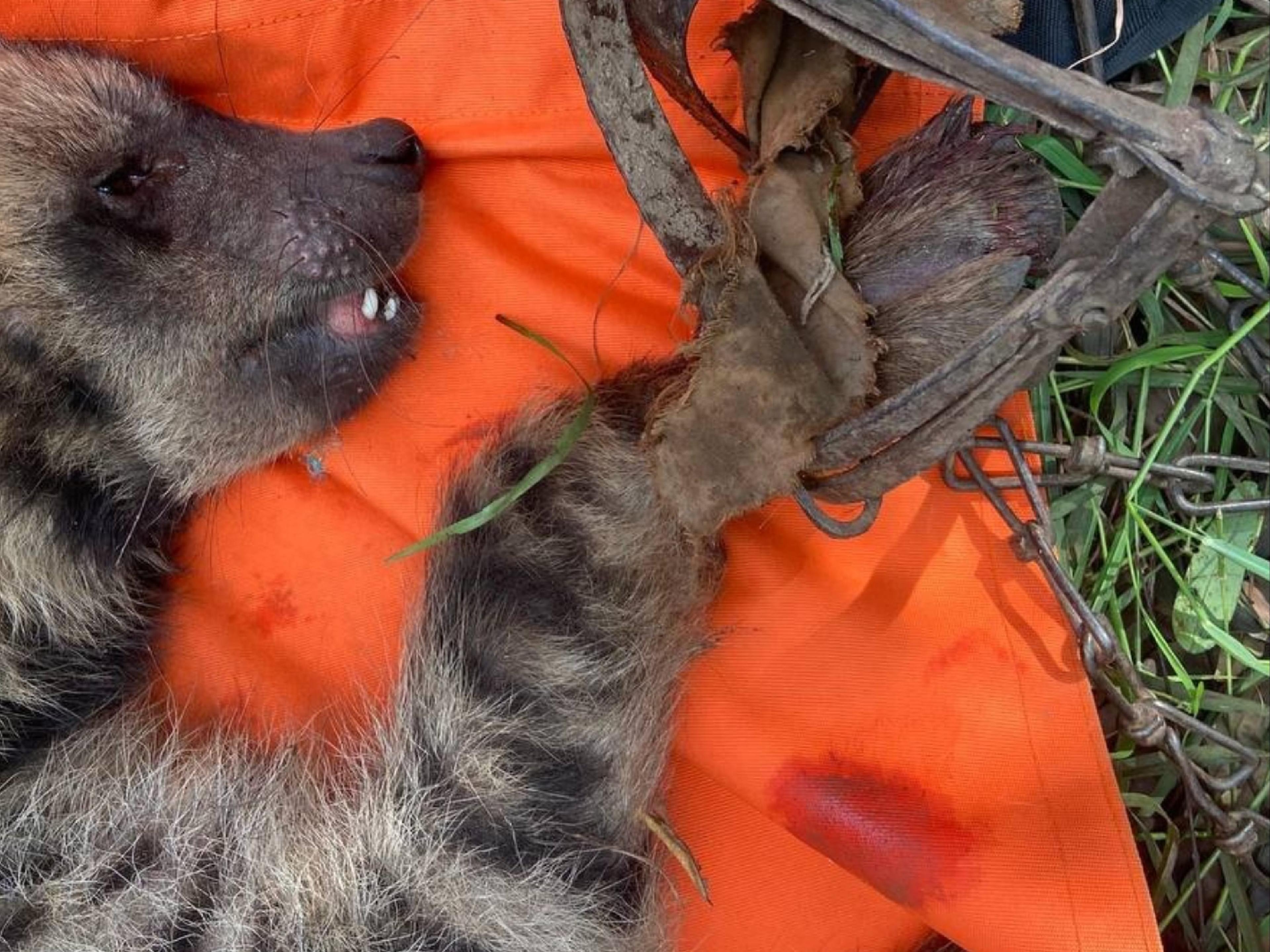
Indian striped hyena encounters in residential areas, addressing the gap between the species' naturally shy behaviour and the fear-driven escalation that misinformation can cause.
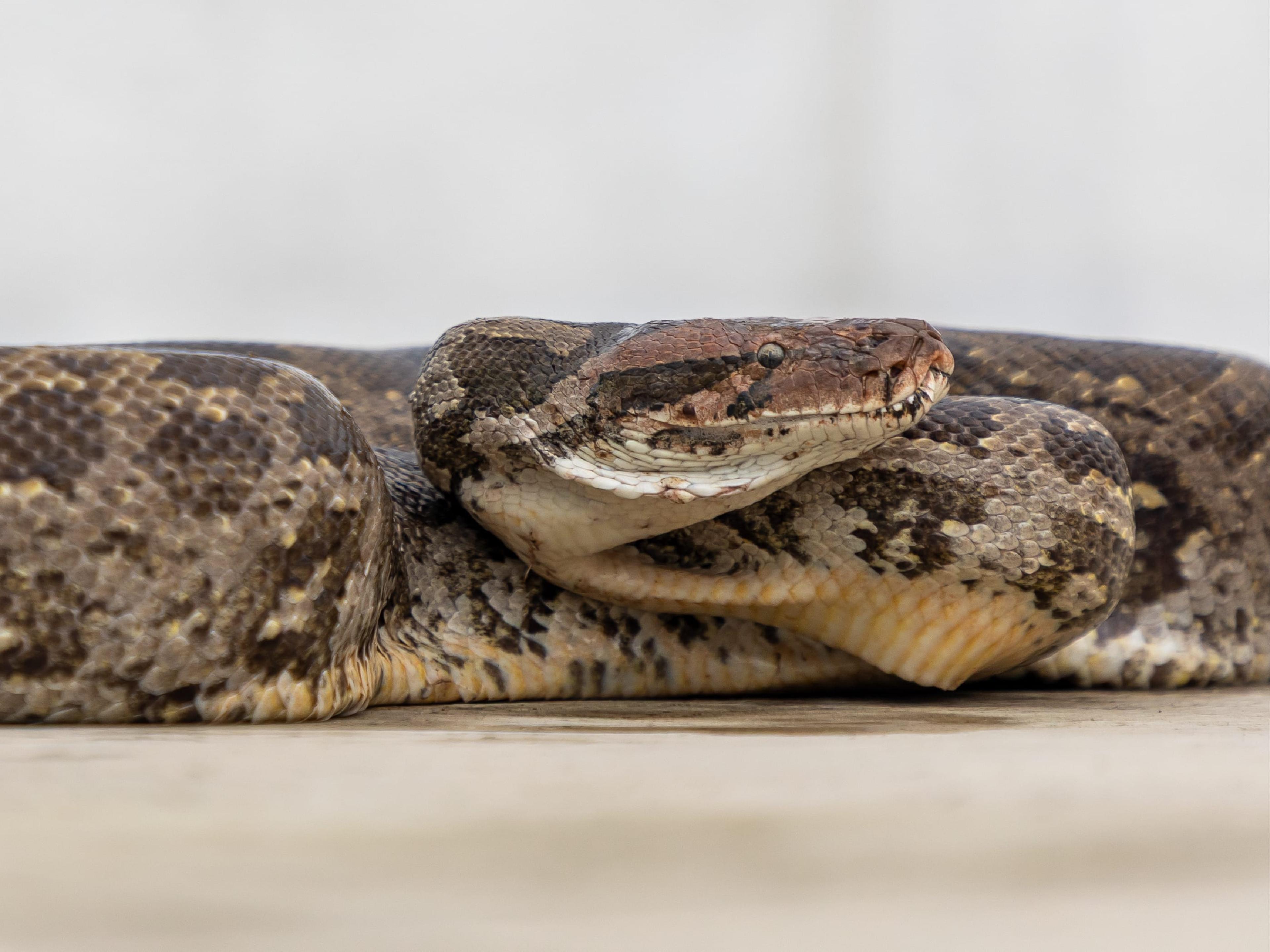
Snake rescue and release in accordance with Forest Department guidelines, paired with community education to shift public sentiment from fear to respect and coexistence.
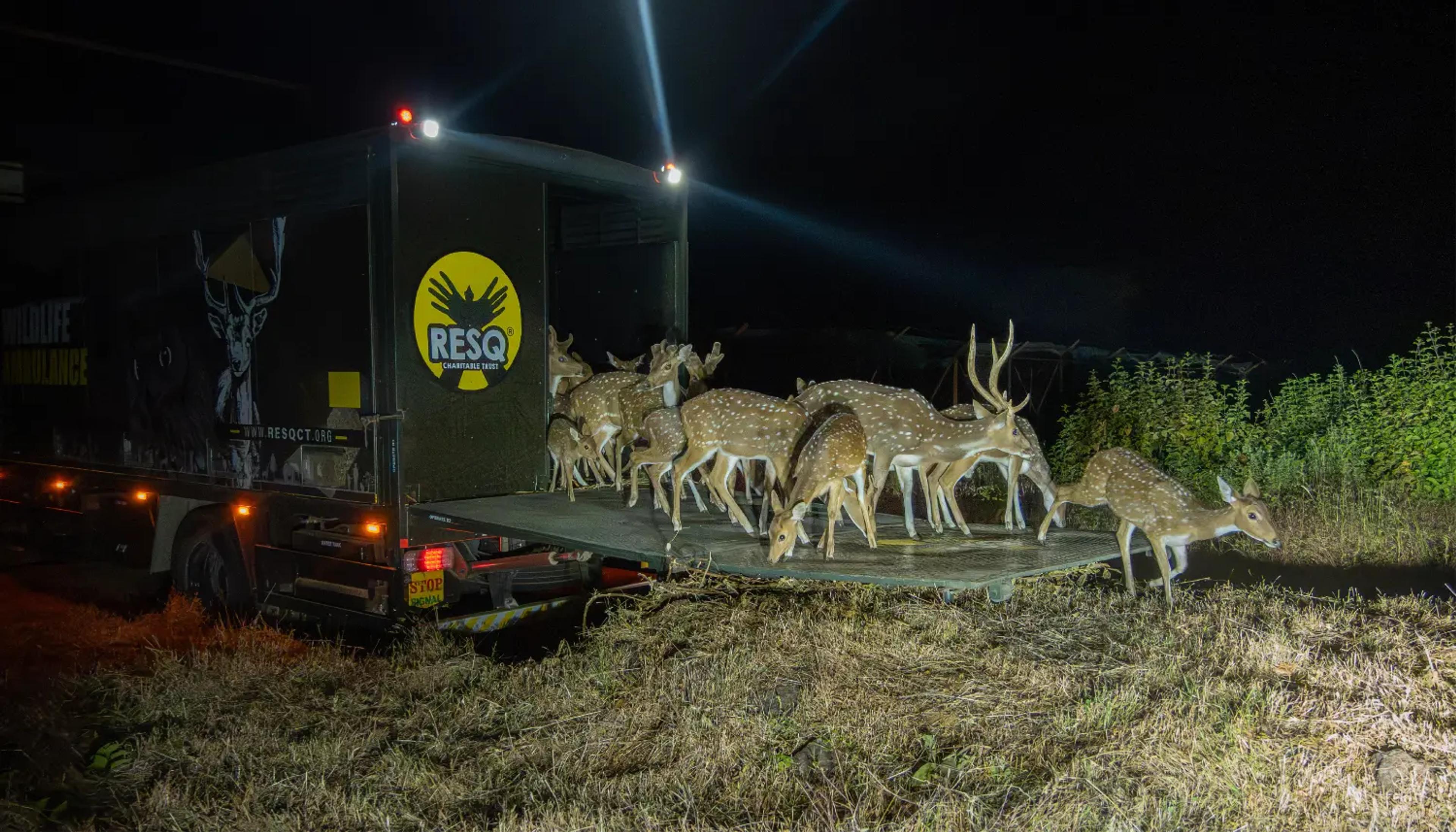 Read moreMass Capture and Wildlife TranslocationsWildlife translocation becomes necessary when an animal's continued presence in a given location poses a risk, either to the animal itself or to the people…
In Our work
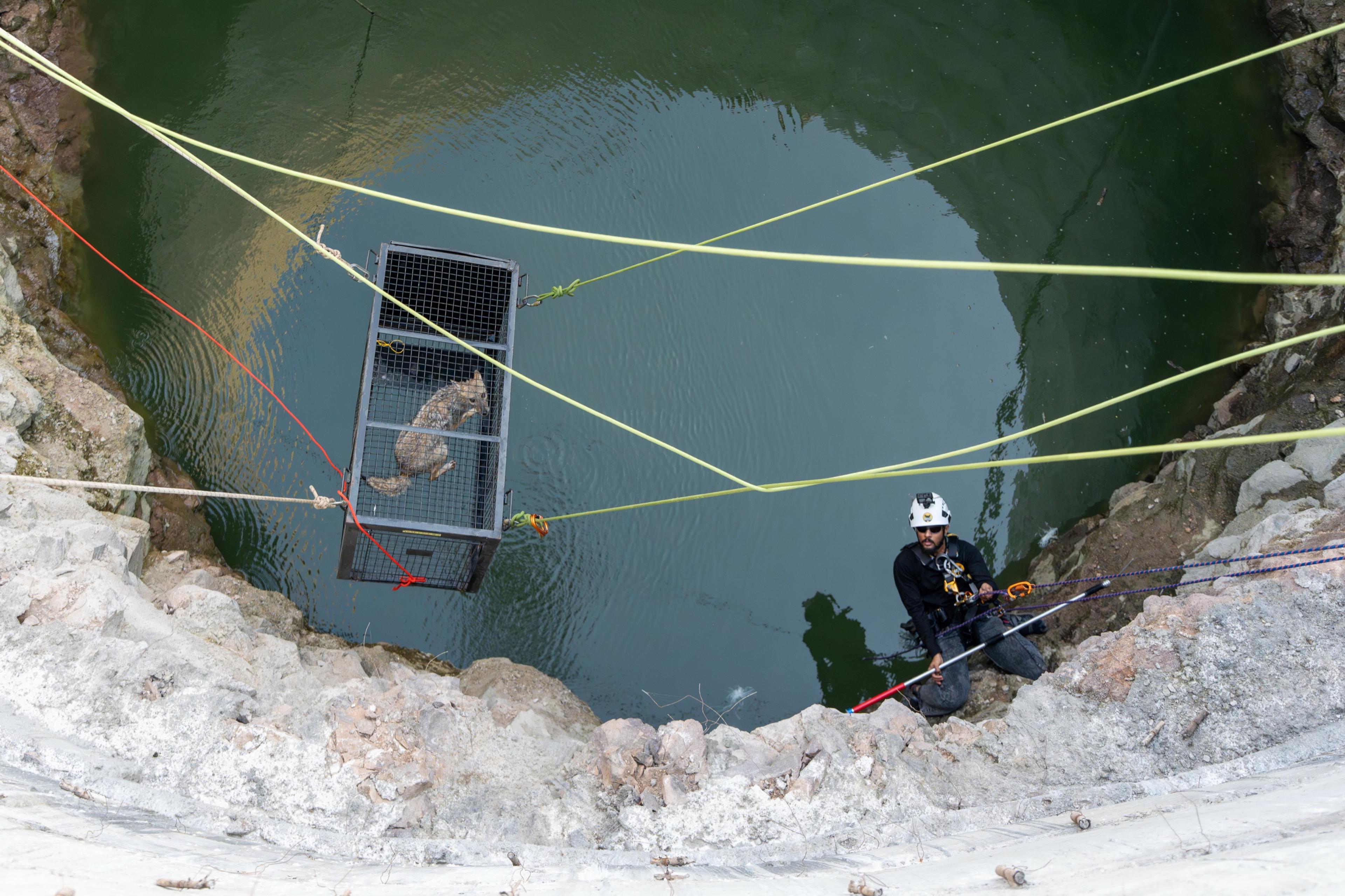 Wildlife emergency responseYou're hereHuman-wildlife conflict managementMass capture & translocations
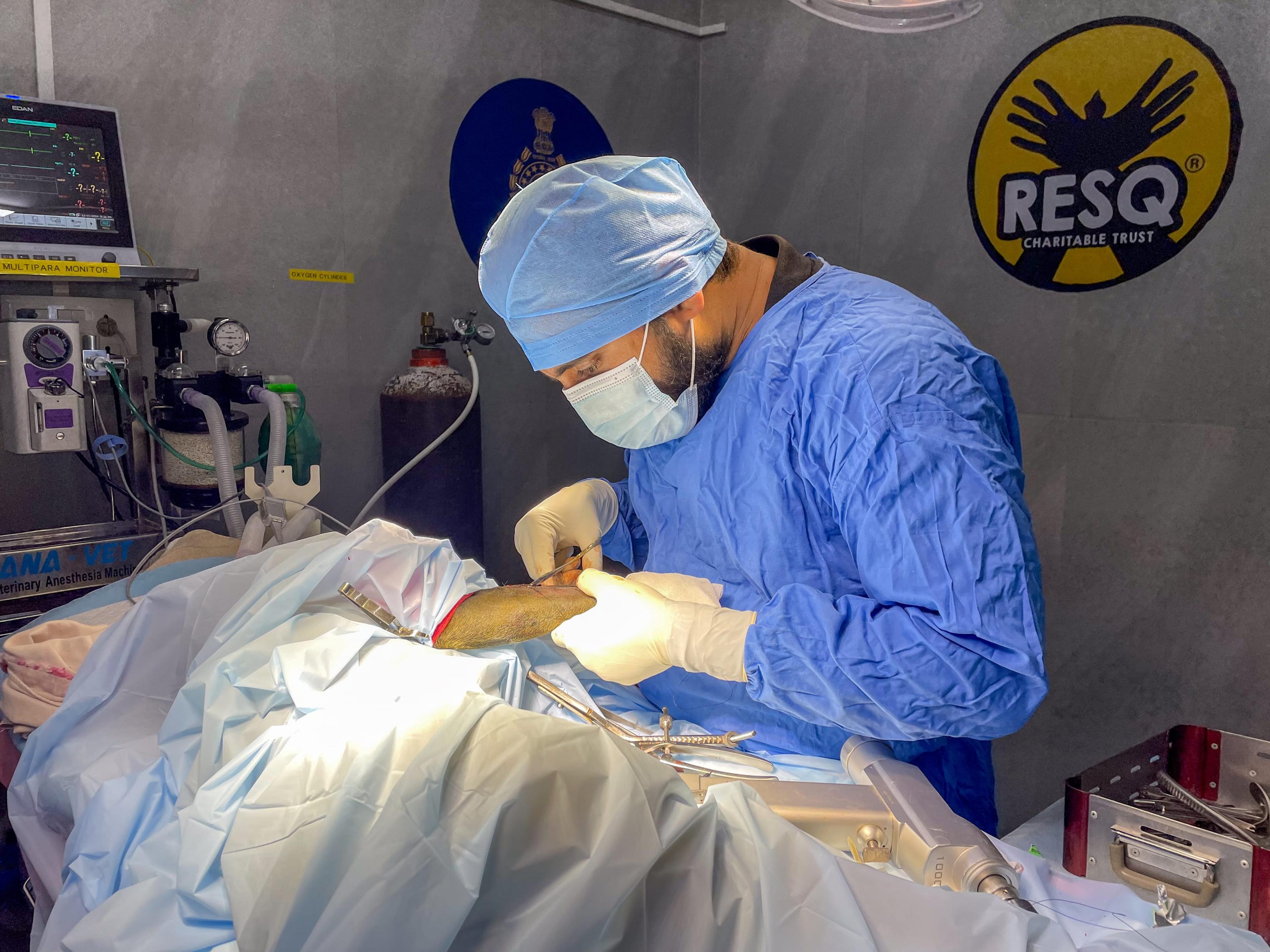 Veterinary care & rehabilitation
 Conservation education
 Training & capacity building
Support this work
A rescue is only the first step. Treatment, rehabilitation, release and the prevention work that follows all depend on people who choose to stand behind it.
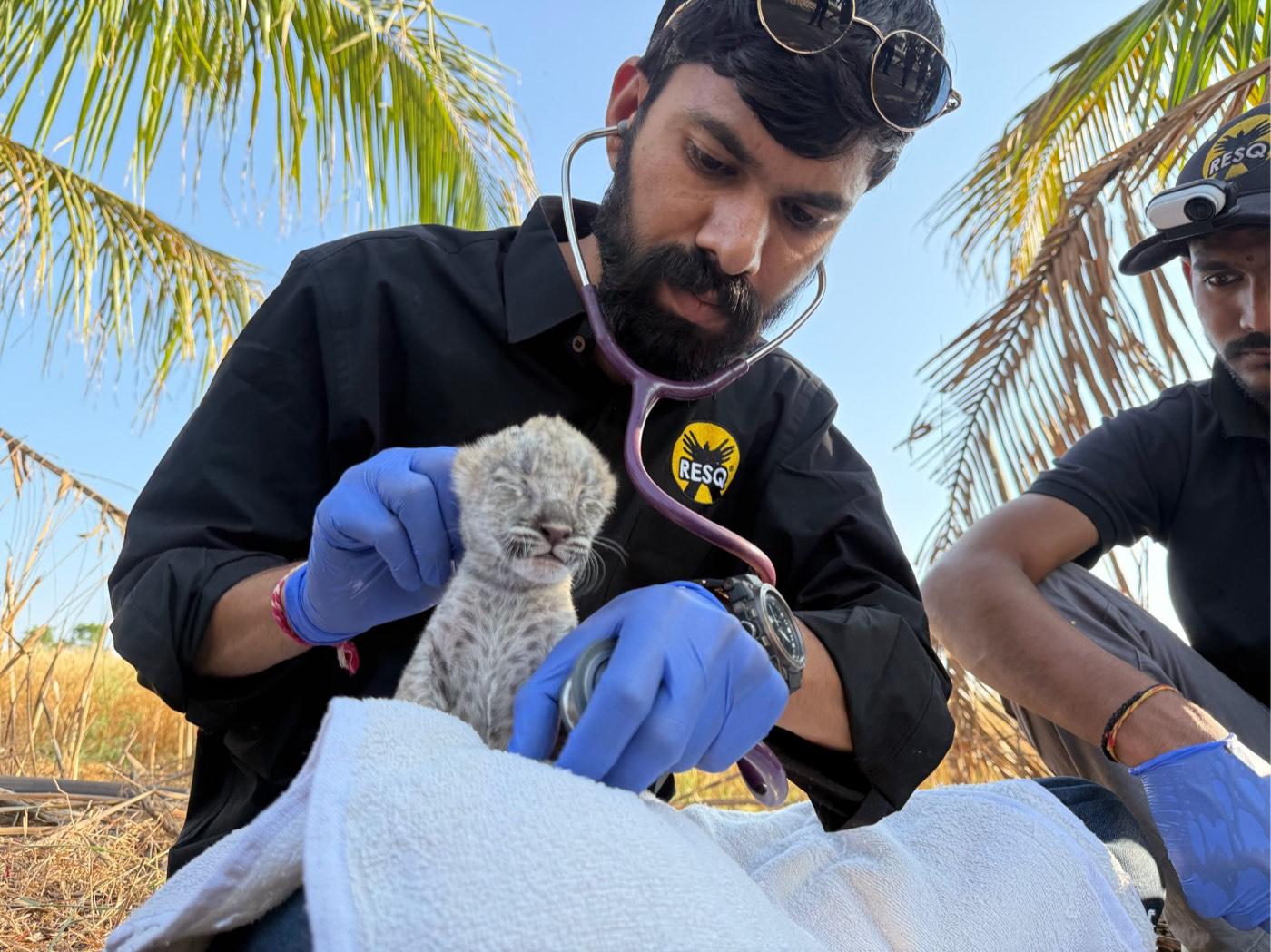
DonatePhoto: a RESQ vet examines a rescued leopard cub in the field.
Work alongside us
Individuals, students and groups support our centres, field teams and outreach programmes through the year. Every volunteer is trained and works to a shared code of conduct.
Volunteer with us