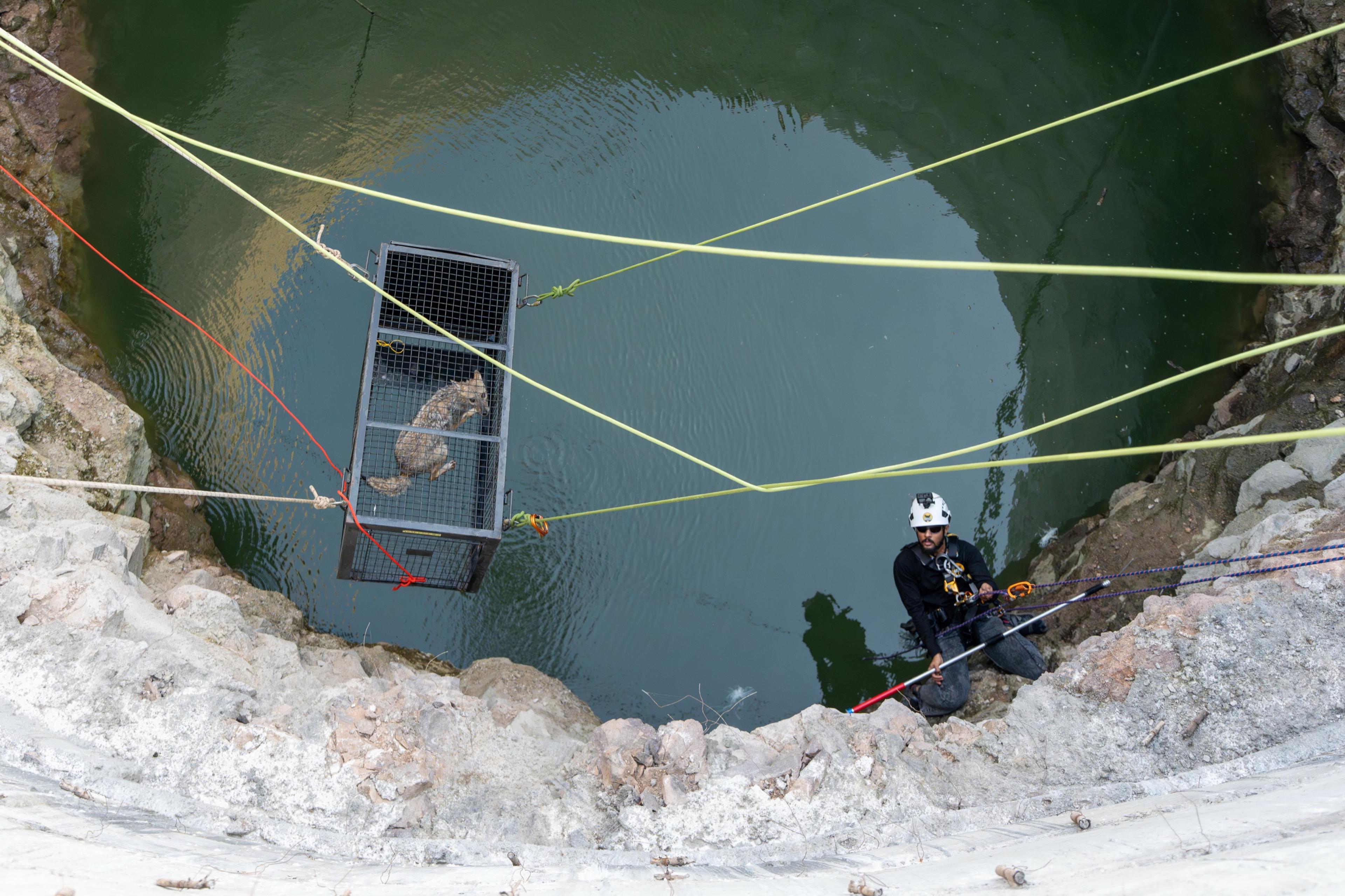
Wildlife emergencies are reported to RESQ CT's 24-hour helpline daily. Following rapid verification and liaison with local authorities, teams mobilise within minutes. The field team comprises professional rope technicians, mountaineers, veterinarians, and experienced wildlife responders adept in handling, behaviour, and ensuring safety for both humans and animals. The response fleet is tailored to specific scenarios, including aerial operations, conflict management, and safe animal transport. Operations are conducted in collaboration with the Forest Department, police, fire departments, and local communities.
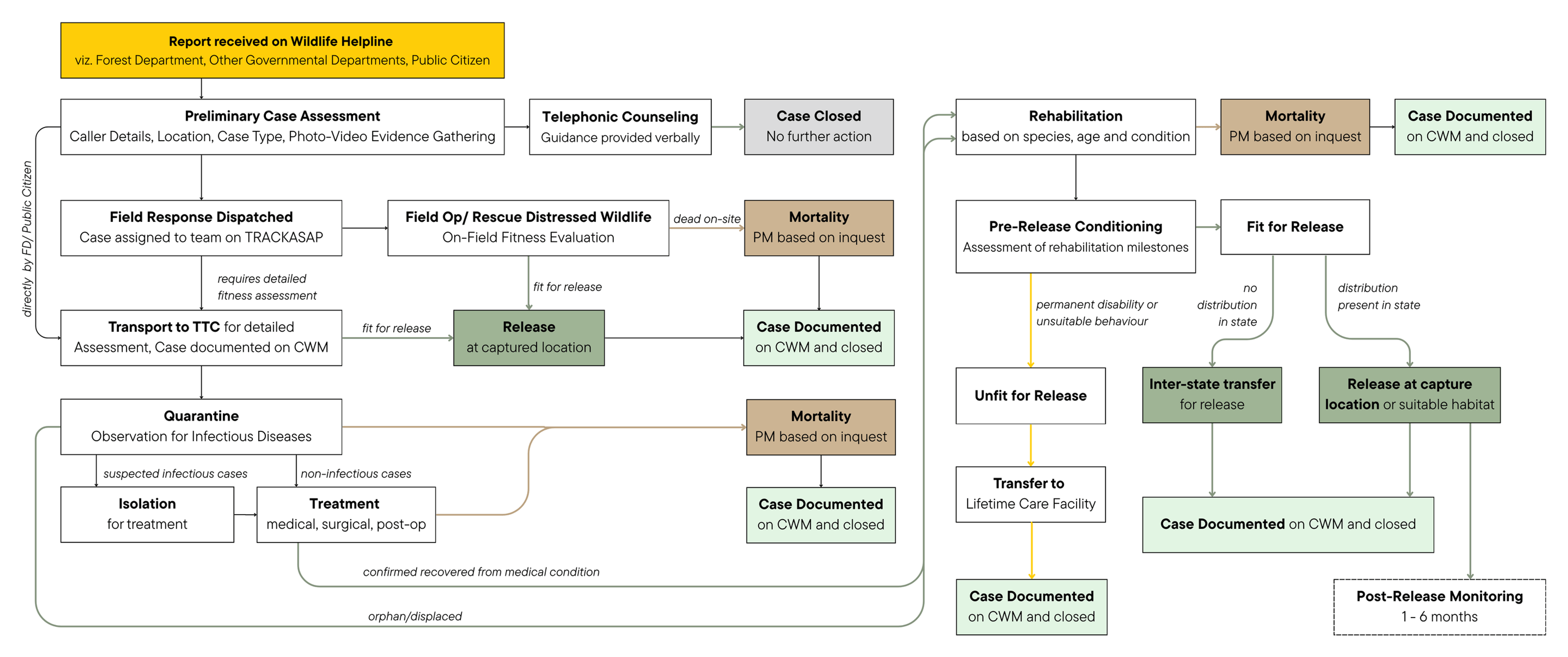
The Response, Rehabilitation and Reintroduction Pathway maps the journey from helpline report through field response, on-site fitness evaluation, transport to the Wildlife TTC, quarantine, treatment, rehabilitation, pre-release conditioning, and final release or transfer.
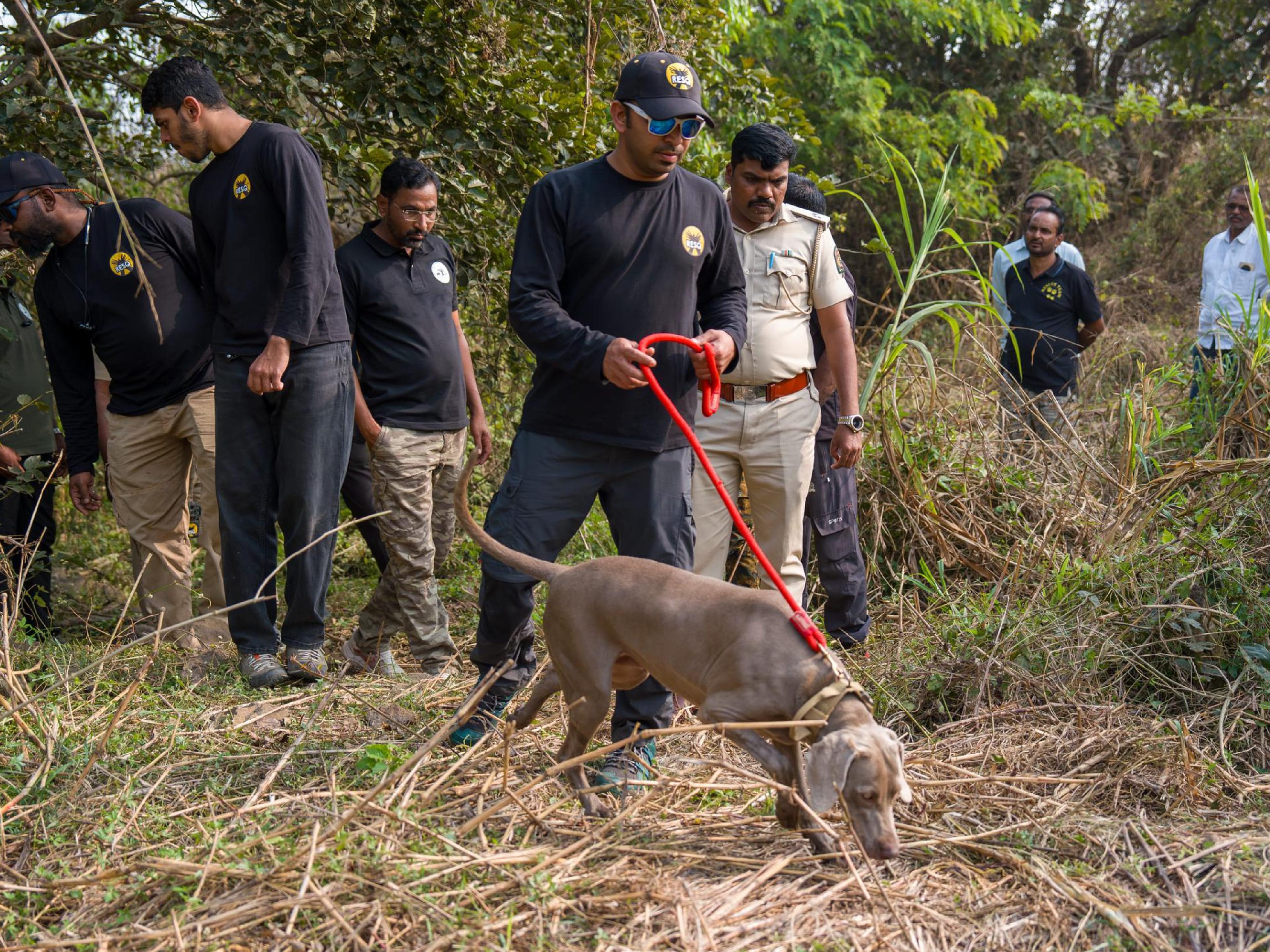
Advanced field rescue operations for large carnivores and megaherbivores in human-dominated landscapes, combining ground intelligence, detection dogs, thermal UAVs, and chemical immobilisation under the guiding principle: contain, do not chase.
Read more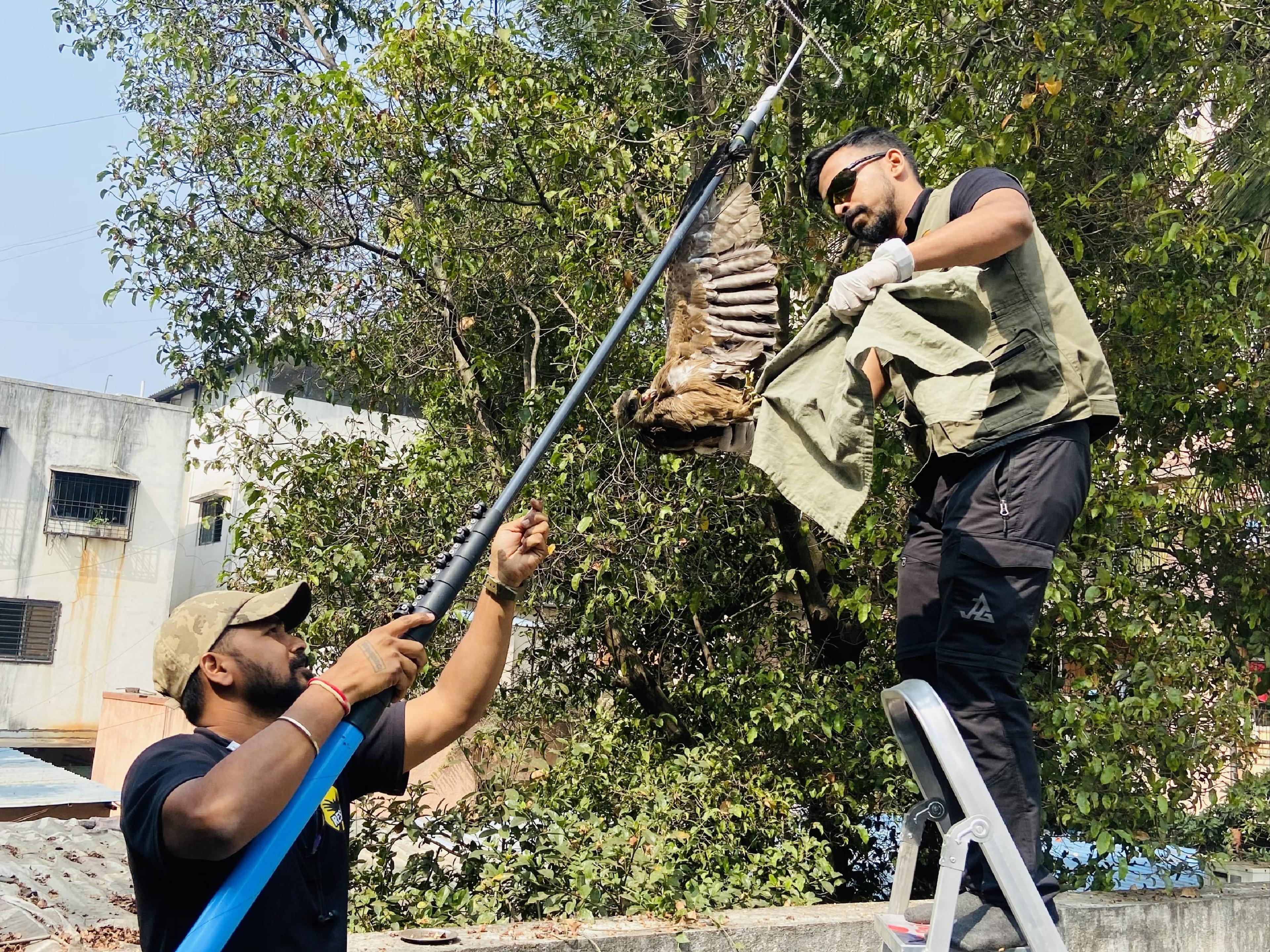
High-altitude urban wildlife rescues, using aerial vehicles, telescopic poles, and climbing gear to extract entangled or stranded animals at height while minimising the risk of capture myopathy.
Read more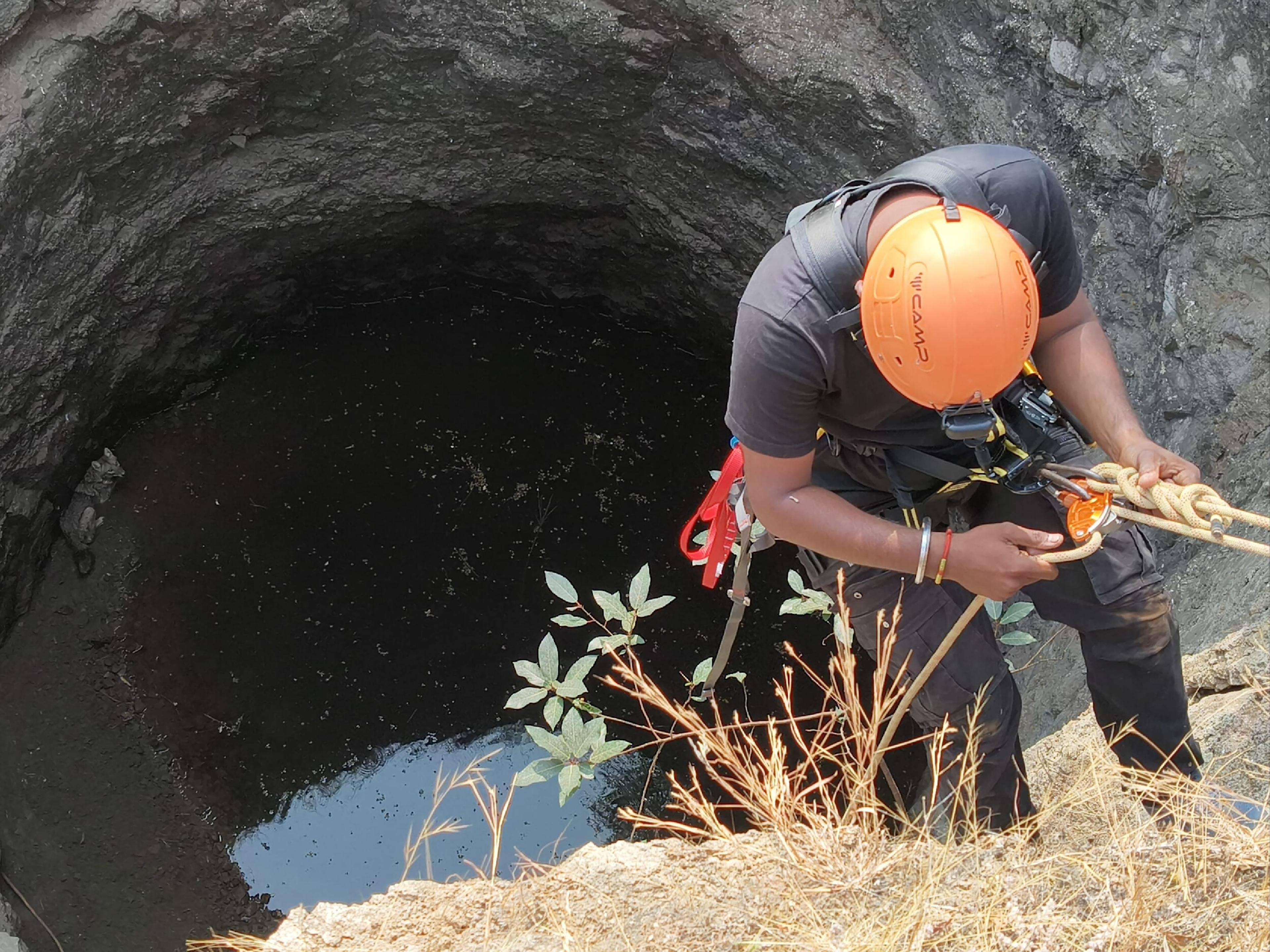
Rescue of wildlife trapped in open wells, water tanks, sewers, and drainpipes across farmland and urban infrastructure, requiring tactical planning suited to confined and often flooded spaces.
Read more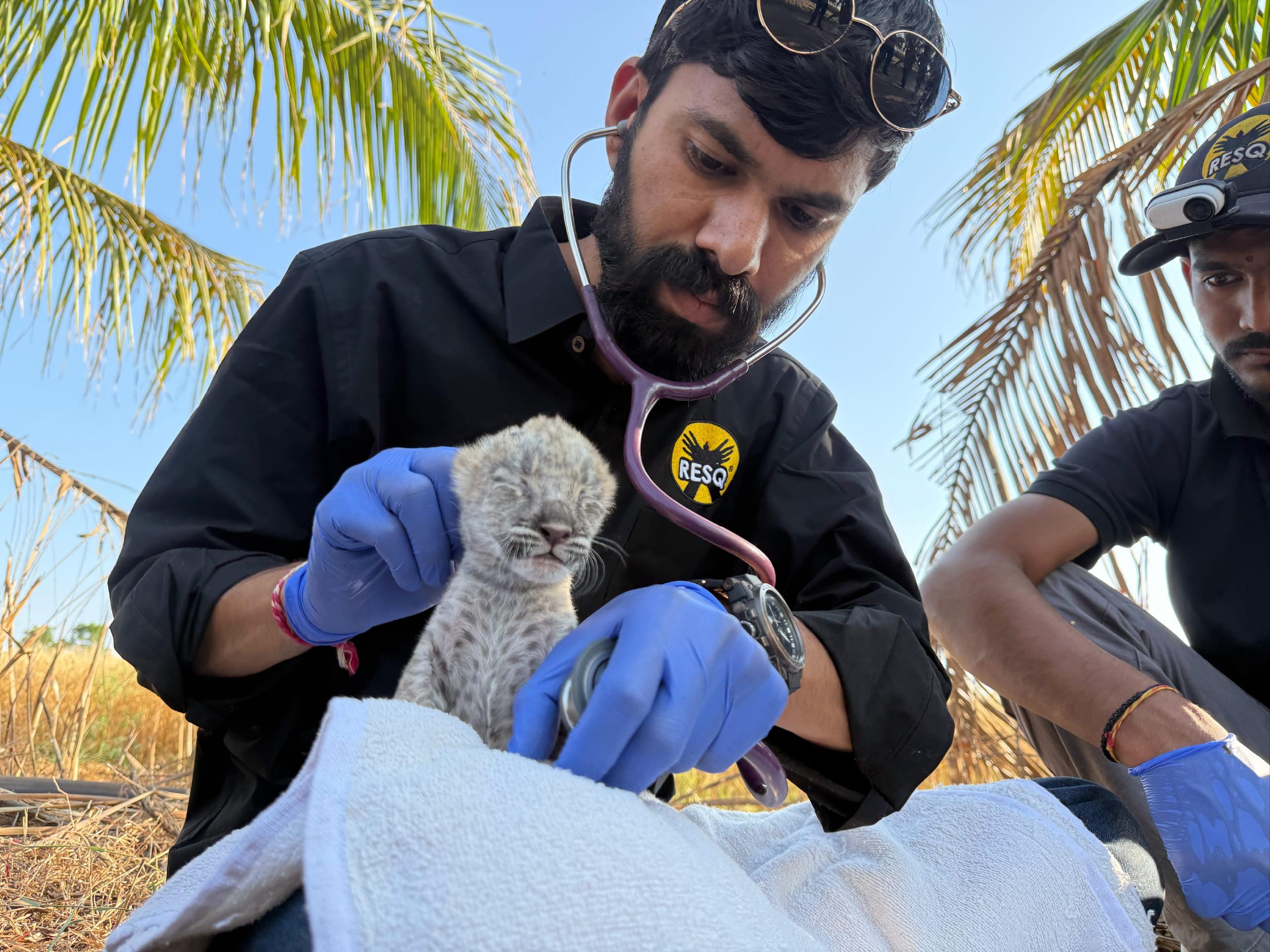
Mother-young reunification protocols, especially for litters displaced during sugarcane harvesting, using remote camera monitoring and patience to reunite young with their mothers to prevent lifelong captivity.
Read more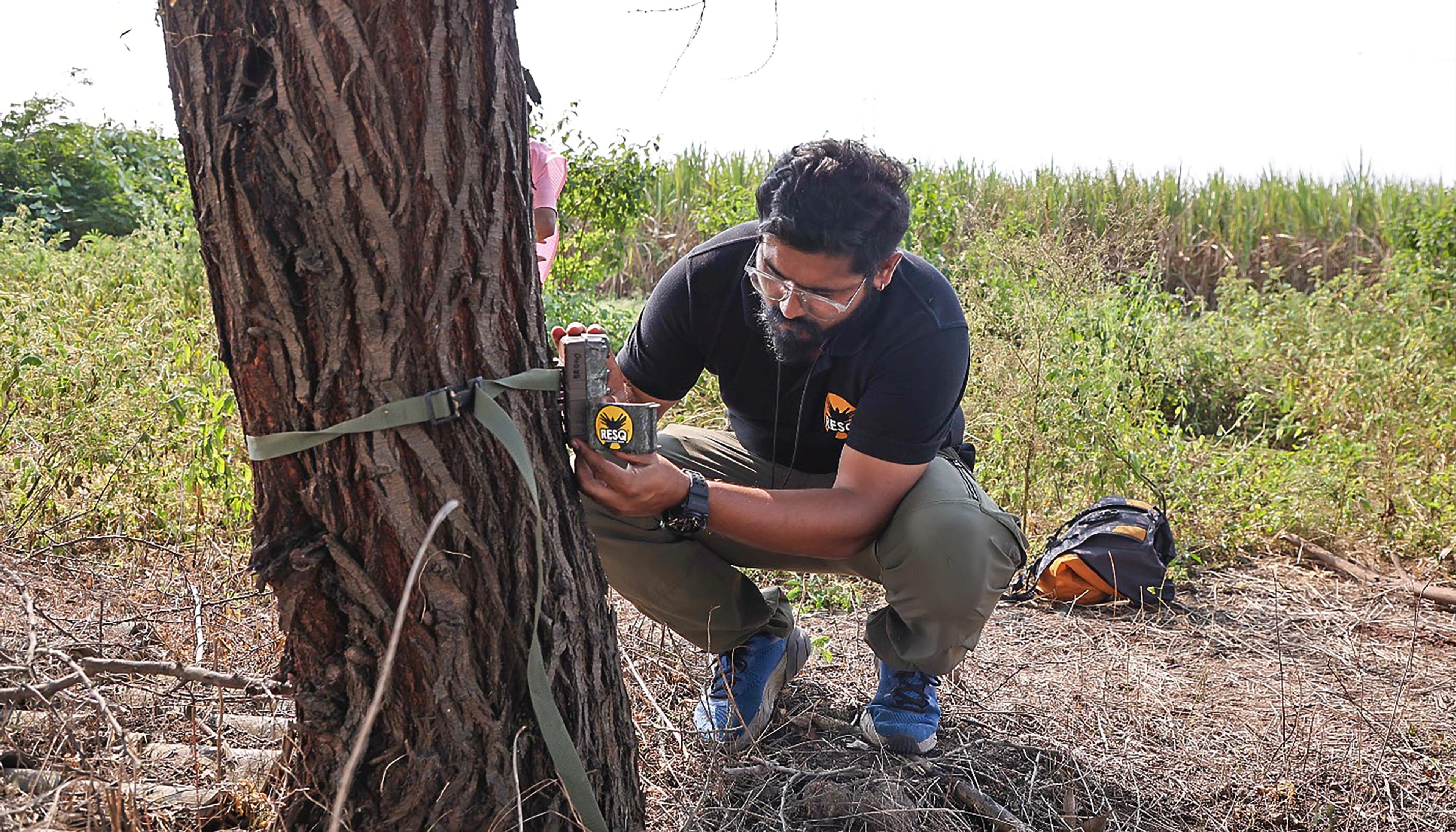 Read moreHuman-Wildlife Conflict ManagementWildlife does not recognise the boundaries that humans draw between forest and field, between protected area and peri-urban fringe. As our landscapes…
In Our work
You're hereWildlife emergency responseHuman-wildlife conflict management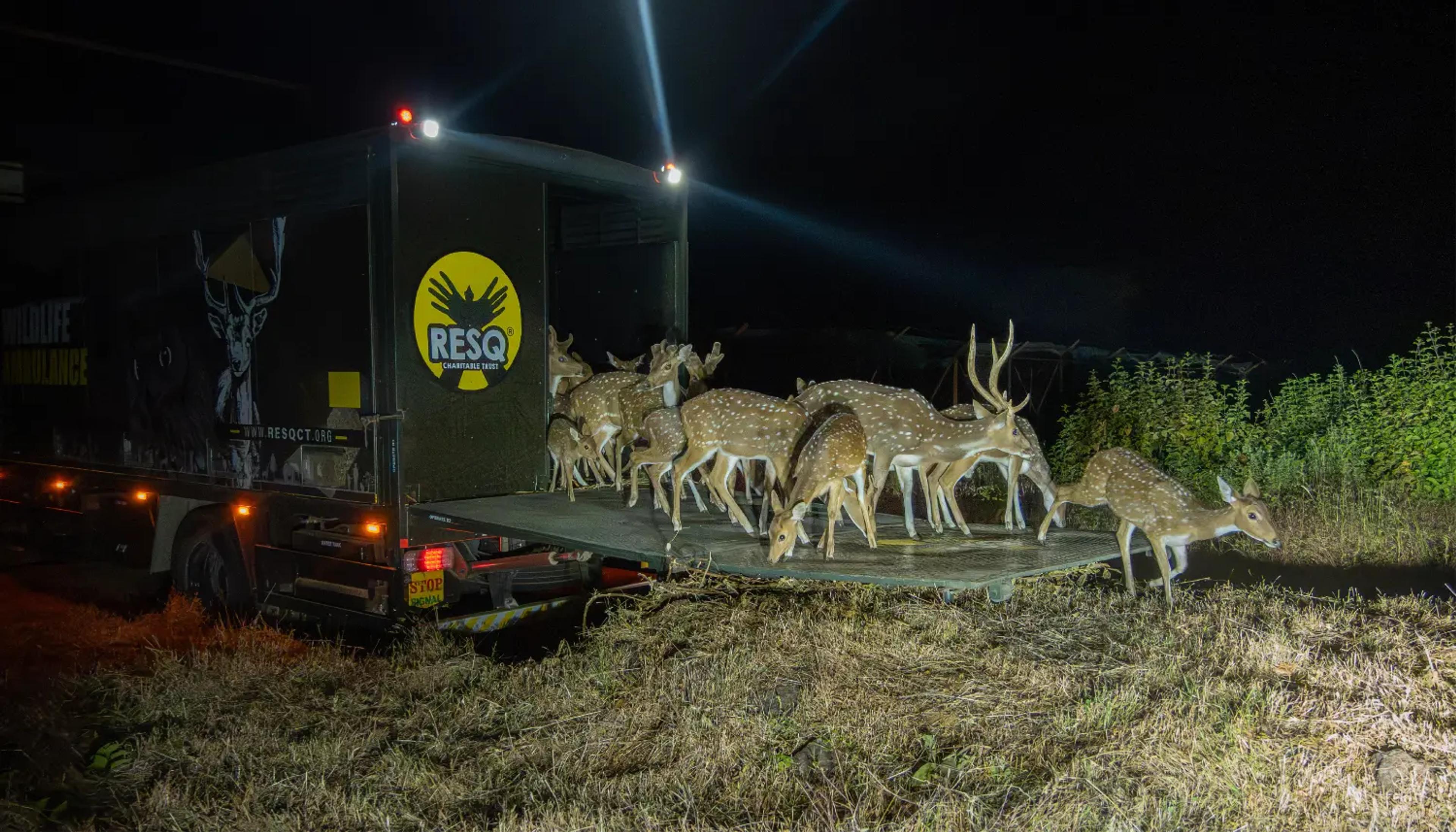 Mass capture & translocations
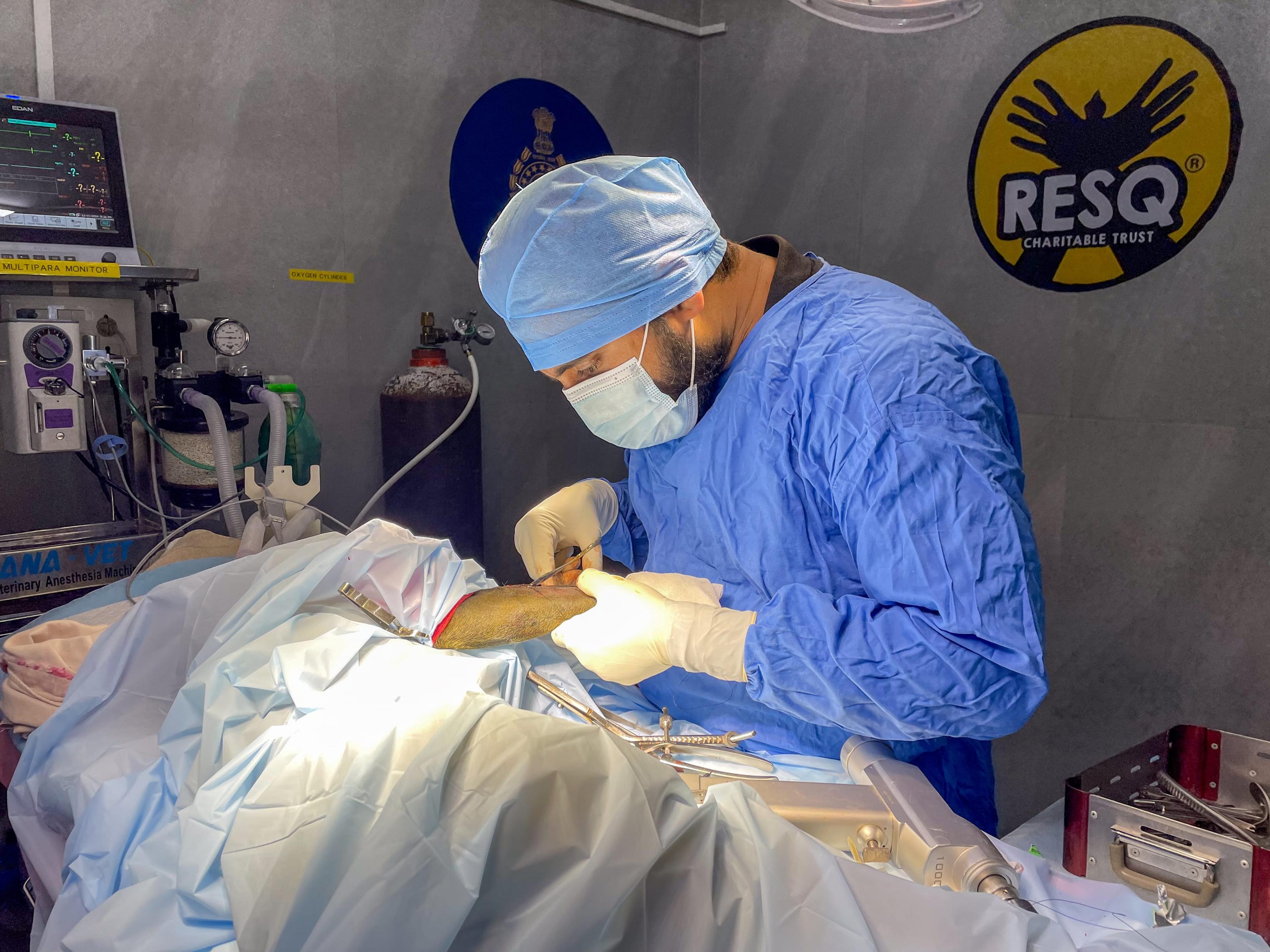 Veterinary care & rehabilitation
 Conservation education
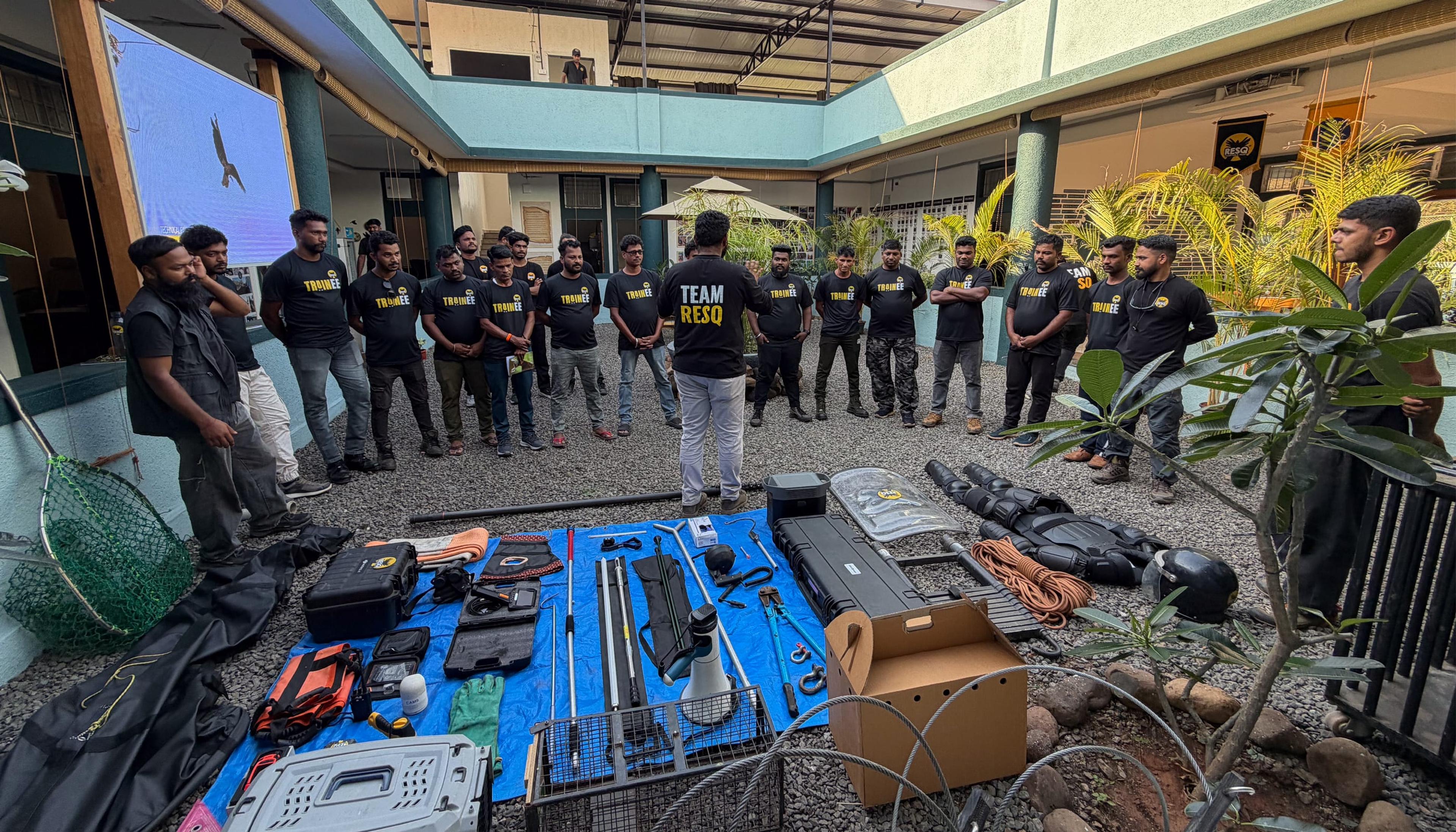 Training & capacity building
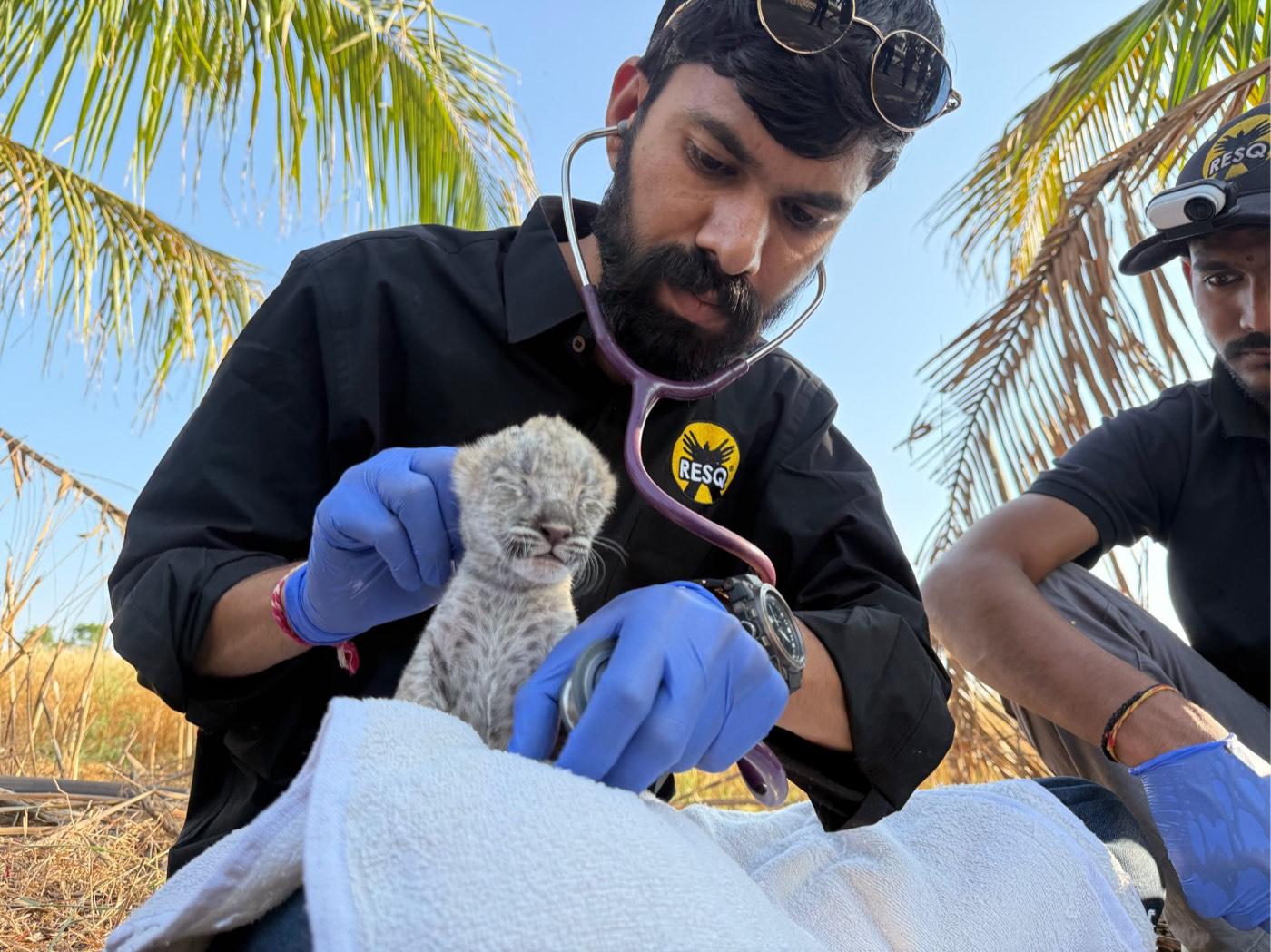
Support this work
A rescue is only the first step. Treatment, rehabilitation, release and the prevention work that follows all depend on people who choose to stand behind it.
DonatePhoto: a RESQ vet examines a rescued leopard cub in the field.
Work alongside us
Individuals, students and groups support our centres, field teams and outreach programmes through the year. Every volunteer is trained and works to a shared code of conduct.
Volunteer with us