A wildlife emergency in India rarely lands on a single department's desk. A leopard in a village involves the forest department and the police. Livestock predation draws in animal husbandry officers. A trafficking seizure at an airport or border falls to customs and security forces before a wildlife professional ever sees the animal. The quality of the outcome depends on how well each of these agencies understands wildlife, and how well they work with one another. Our training programmes are built for that entire system.
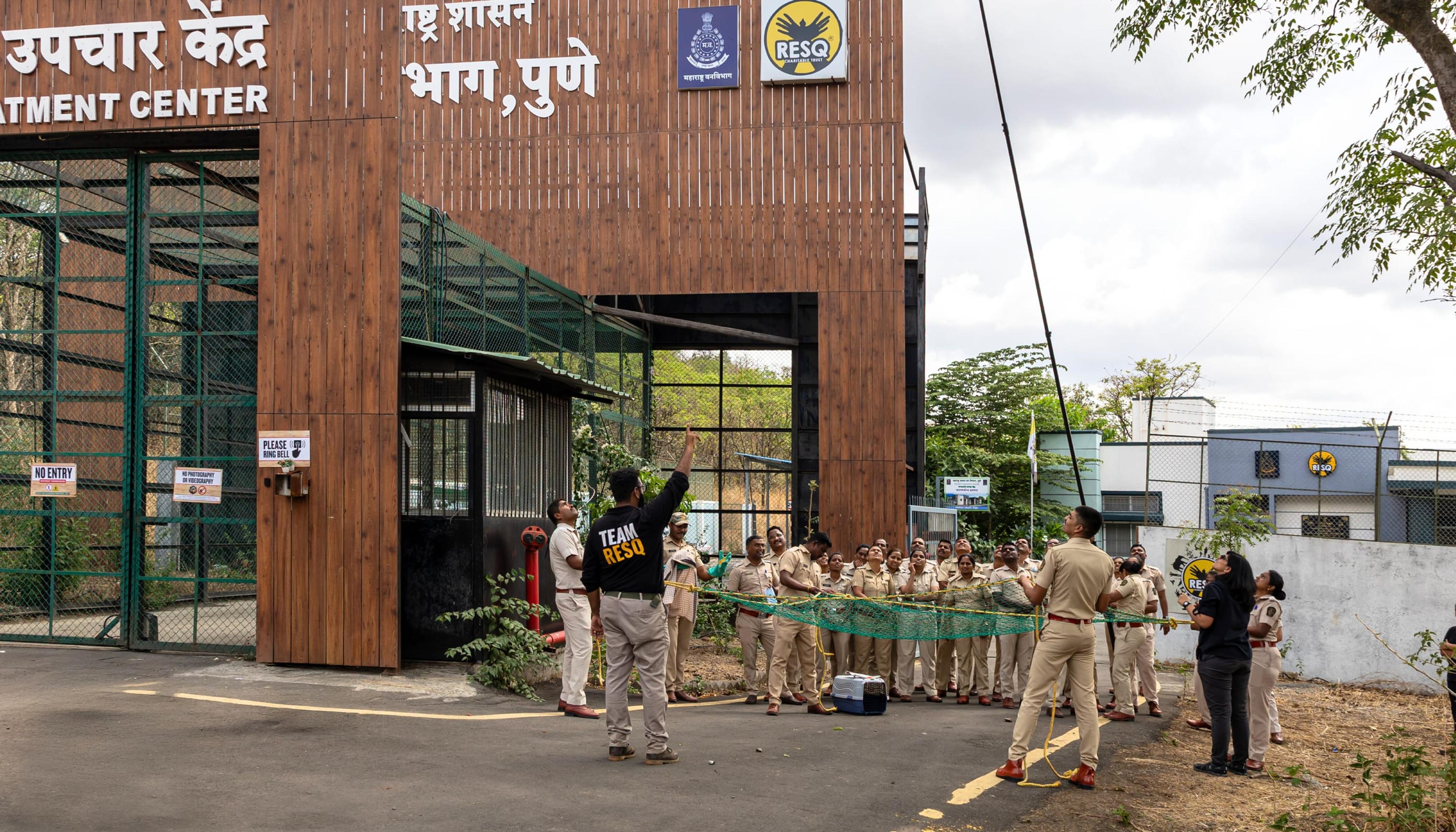
The largest share of our training reaches the forest department, at every level of the service. Forest guards, foresters, range officers, rapid response teams, and frontline veterinarians receive hands-on programmes in human-wildlife conflict mitigation, wildlife crime enforcement, veterinary emergency response, and landscape-level habitat interaction surveys, delivered across Maharashtra, Andhra Pradesh, and Telangana. Senior officers engage through the state's apex forest training institutions, where sessions address conflict management frameworks, inter-agency coordination, emerging tools and technologies, and the translation of field experience into protocol and policy. Content throughout is drawn from our operational caseload: real rescues, treatments, and conflict responses become the case studies and decision frameworks taught in every session.
Beyond the forest department, we train the wider government machinery that wildlife depends on. Animal husbandry and veterinary department personnel, IAS and IPS officers, central security forces, and other government bodies engage with programmes tailored to the wildlife dimensions of their own mandates, from livestock conflict and crowd management to trafficking detection and legal procedure. When a district official, a police officer, and a forest ranger share the same understanding of a wildlife situation, coordination stops being the weak link.
The measure of this work is what happens when we are not there. A guard who safely manages a wildlife encounter, a response team that de-escalates without injury, an official whose decisions prevent the next crisis: these outcomes multiply across every trained individual and every landscape they serve. It is a privilege to contribute to that capability, and it is how good practice travels further than any one organisation can carry it.
The field will test you; our training tests you first. Part foundation, part mirror, Wildlife First Responders Training teaches the skills and shows you whether you are field-ready.
A five-day Wildlife First Responders workshop trained 150 Forest Guards and Round Officers in human-leopard conflict management, emergency handling, first aid and safe transport, backed by practical demonstrations and a messaging platform for ongoing field support.
Two days of Rapid Response Training at the Sahyadri Tiger Reserve took frontline staff from a leopard rescue mock drill through tiger ecology, tracking, capture equipment and remote drug delivery, sharpening coordination for safer outcomes for people and wildlife alike.
 Read moreGet InvolvedDonate, gift a donation, volunteer or visit: every role keeps RESQ's rescue and rehabilitation work going.
In Our work
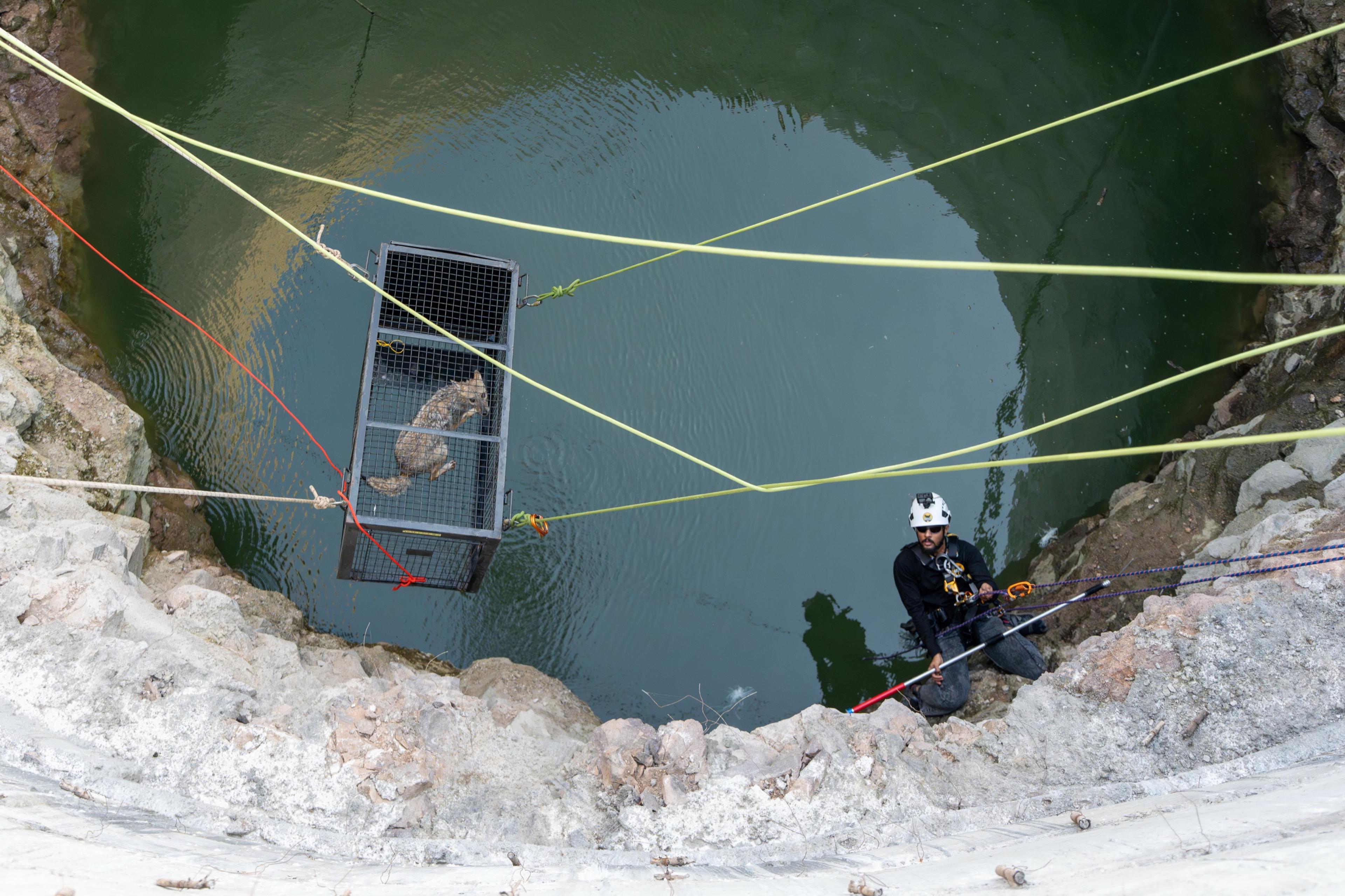 Wildlife emergency response
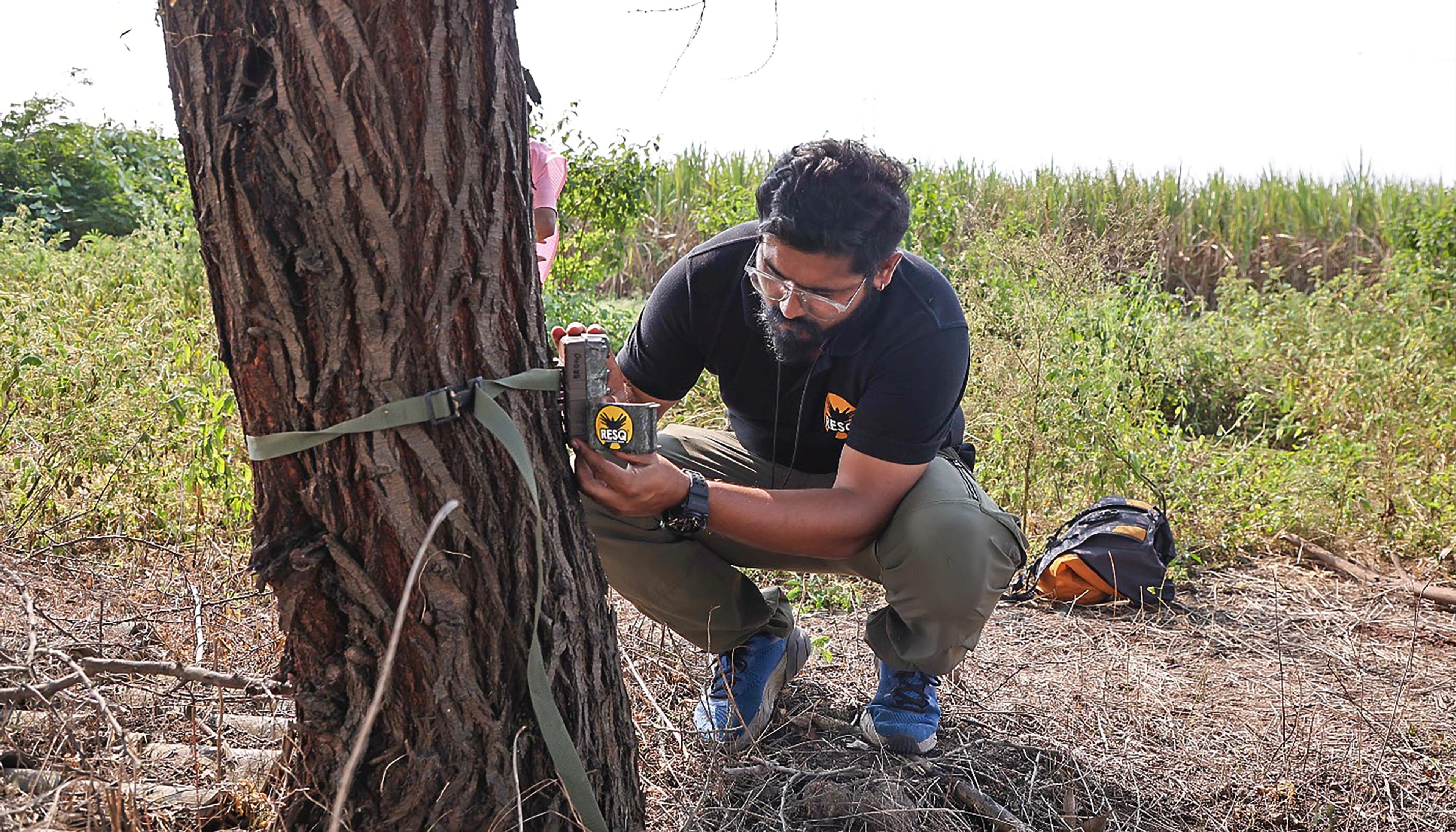 Human-wildlife conflict management
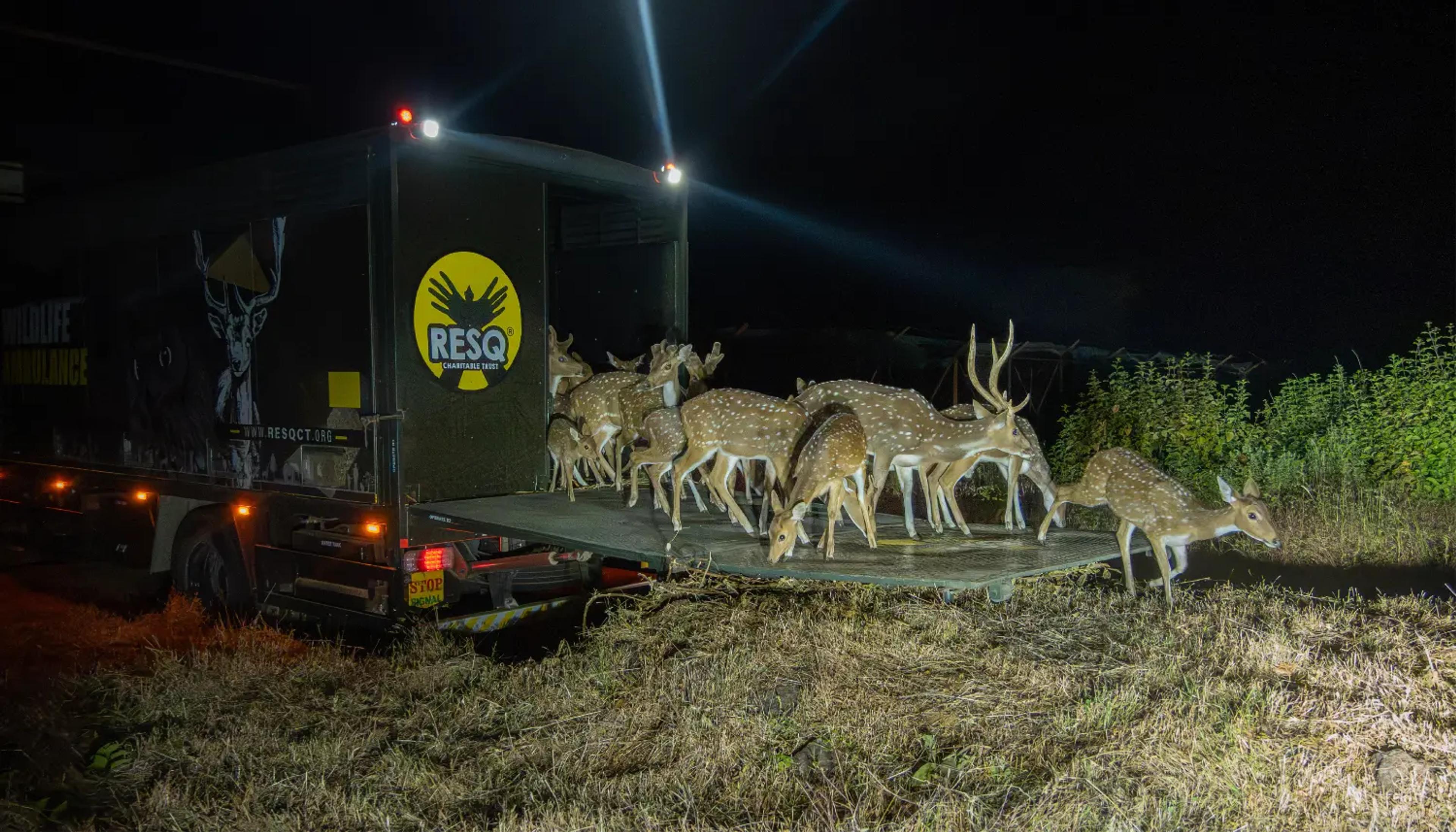 Mass capture & translocations
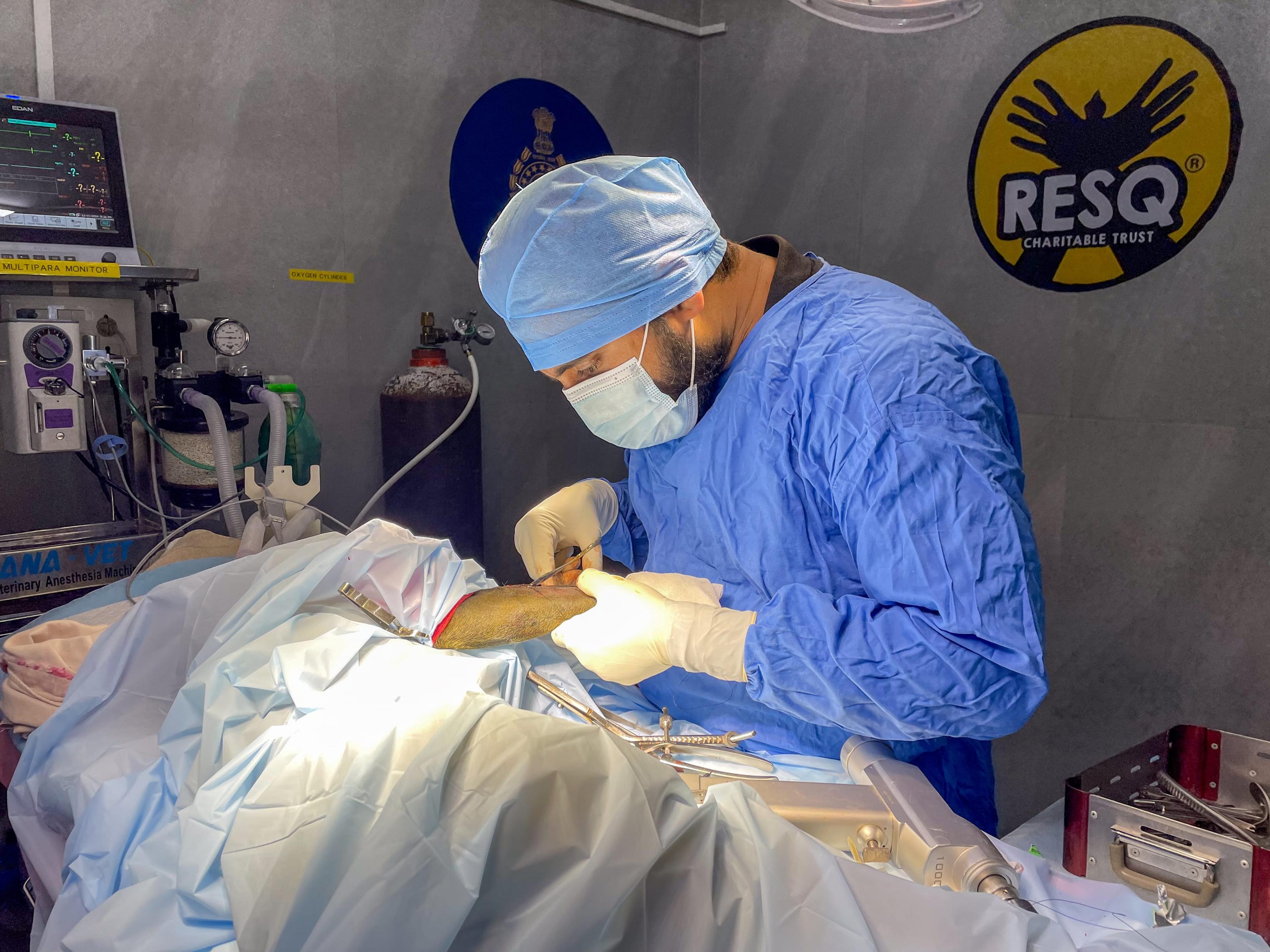 Veterinary care & rehabilitation
 Conservation education
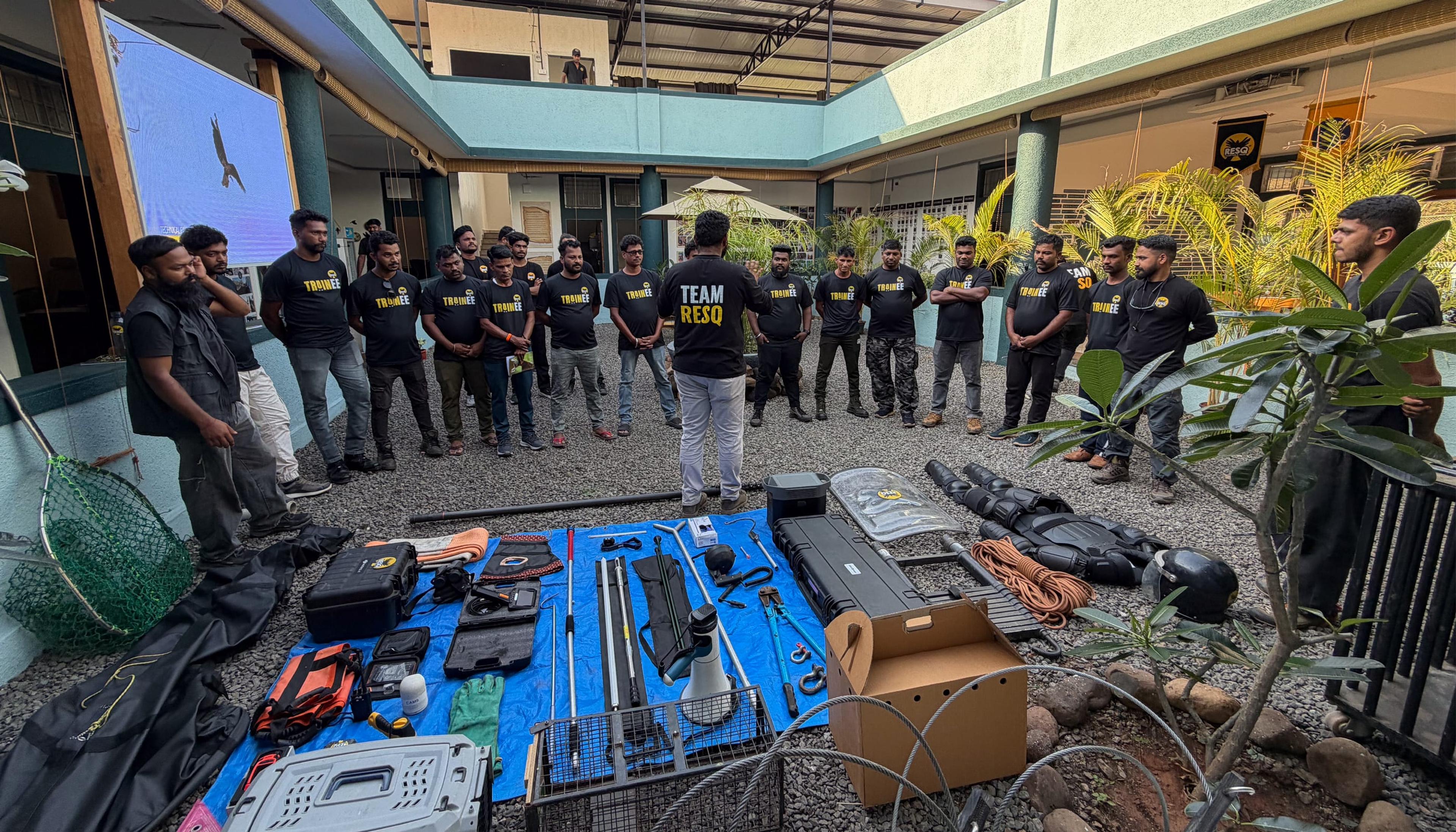 You're hereTraining & capacity building
Support this work
A rescue is only the first step. Treatment, rehabilitation, release and the prevention work that follows all depend on people who choose to stand behind it.
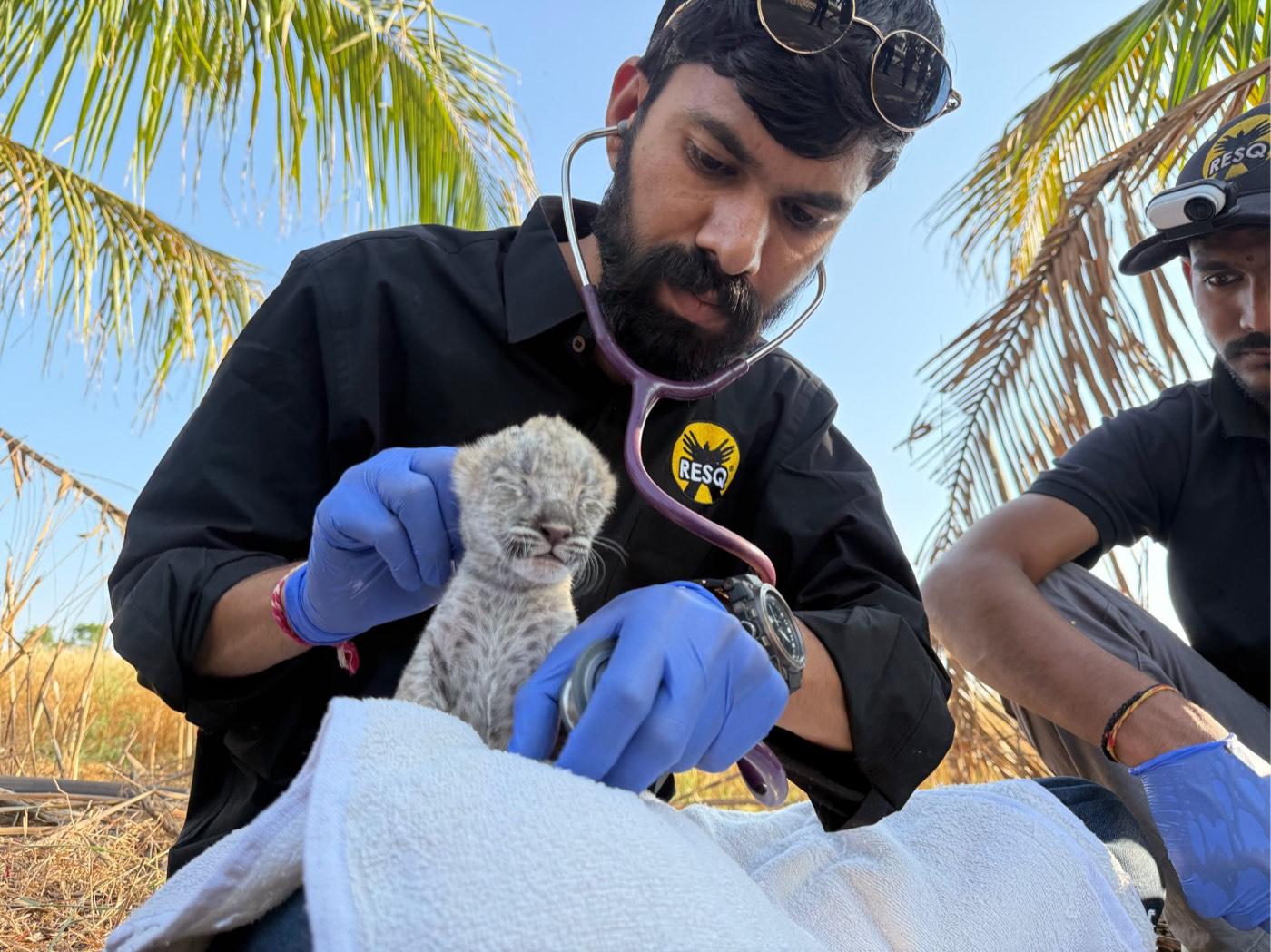
DonatePhoto: a RESQ vet examines a rescued leopard cub in the field.
Work alongside us
Individuals, students and groups support our centres, field teams and outreach programmes through the year. Every volunteer is trained and works to a shared code of conduct.
Volunteer with us