Sahjeevan means "Coexist", and the name is the mandate. People and wildlife share space more closely than ever: leopards move through agricultural landscapes and city fringes, snakes enter homes with the rains, and wolves and hyenas cross agricultural land that was once their own. How each encounter ends depends on what the people involved know. Sahjeevan exists to make sure that knowledge is accurate, practical, and delivered before it is needed.
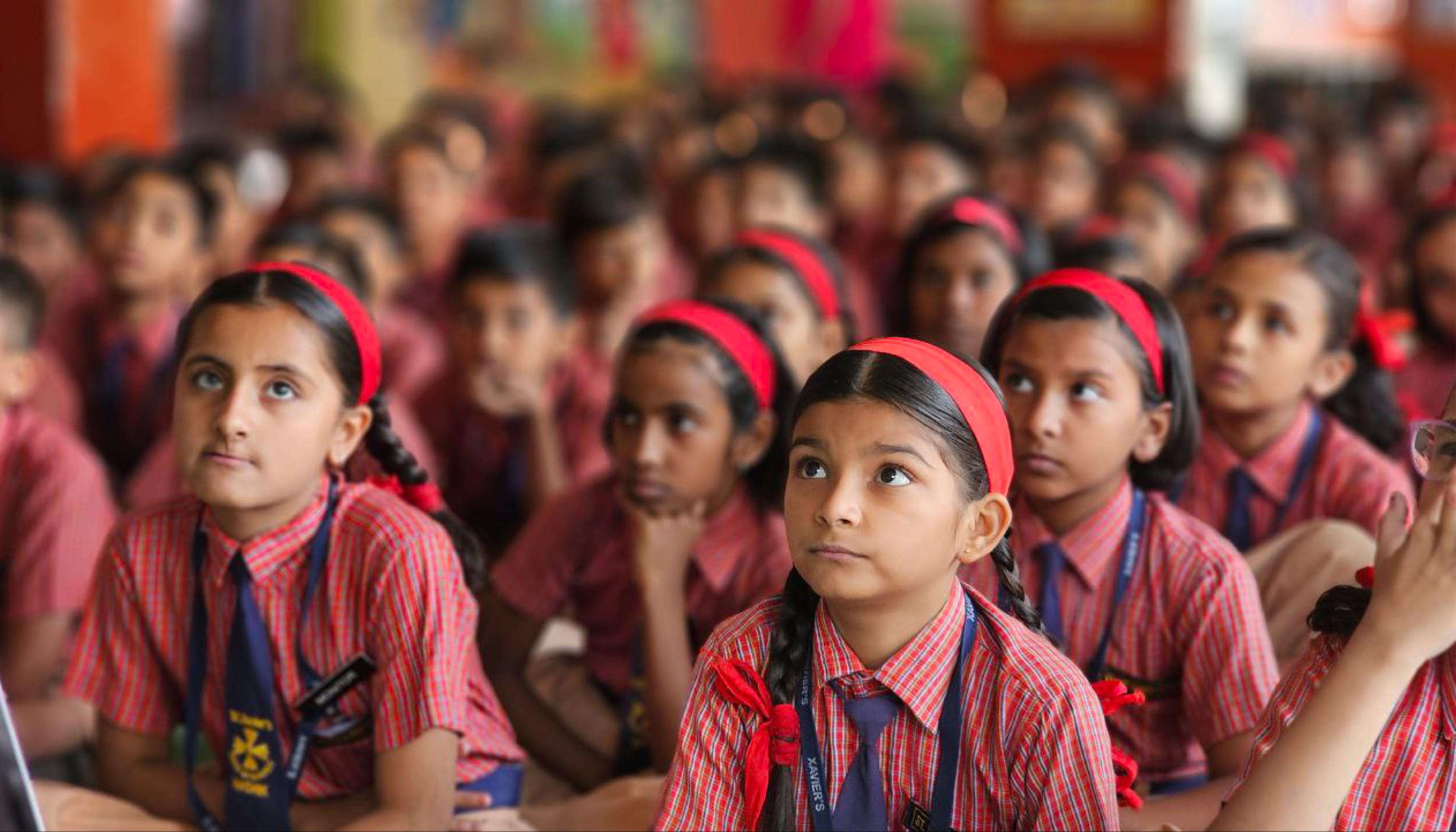
In cities, we reach the populations that live near wildlife without realising it. School children, college students, corporate employees, industrial workers, and housing societies receive sessions tailored to their context, covering human-leopard and human-snake coexistence, wildlife safety protocols, the ecology of species commonly encountered in urban and peri-urban settings, and the consequences of illegal captivity and the exotic pet trade. Audio-visual materials, interactive formats, and on-ground demonstrations keep sessions accessible across ages and literacy levels.
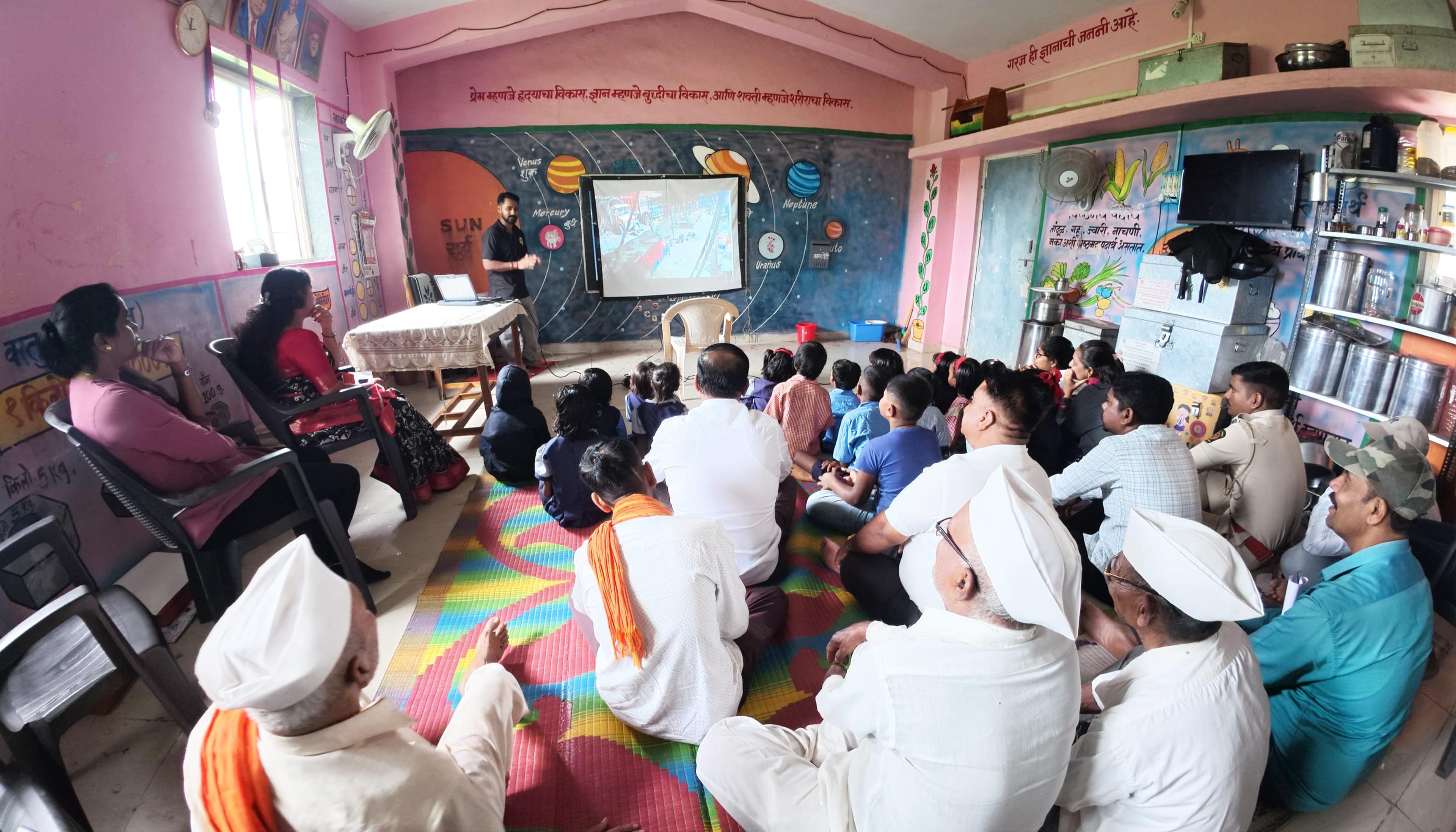
In rural landscapes, we work with the communities most directly affected by wildlife interactions. These are the people who find leopard cubs in their fields, lose livestock to predators, and make the first and often determining decisions when an encounter unfolds. Sessions for farming communities, gram panchayat members, and rural schools are shaped by the species and conflict scenarios of each specific landscape, with leopard safety, snake awareness, and practical conflict prevention at the core. Where sightings trigger sustained fear, our teams return again and again; coexistence requires sustained dialogue, not a single visit.
In tribal landscapes, engagement begins with respect for knowledge that already exists. Adivasi communities often occupy some of the most ecologically significant areas and hold deep familiarity with the species around them. Our sessions, conducted in local languages with examples drawn from each community's own experience, are designed not to impose an external conservation framework but to strengthen existing ecological knowledge and provide practical tools for navigating the human-wildlife interface safely.
Told through bharud folk music, this short film carries stories of coexistence from communities that have lived around leopards for decades to those meeting them for the first time. Its message is simple: the leopard is not an enemy, but a neighbour to be understood.
Maharashtra's oldest storytelling tradition carries a new message: the bibatya is not a threat to be feared, but a neighbour to be understood. Imagined as a call from Chhatrapati Shivaji Maharaj to the people of this land, this powada sings of coexistence in a language felt in the bones. The leopard is not leaving. Neither are we.
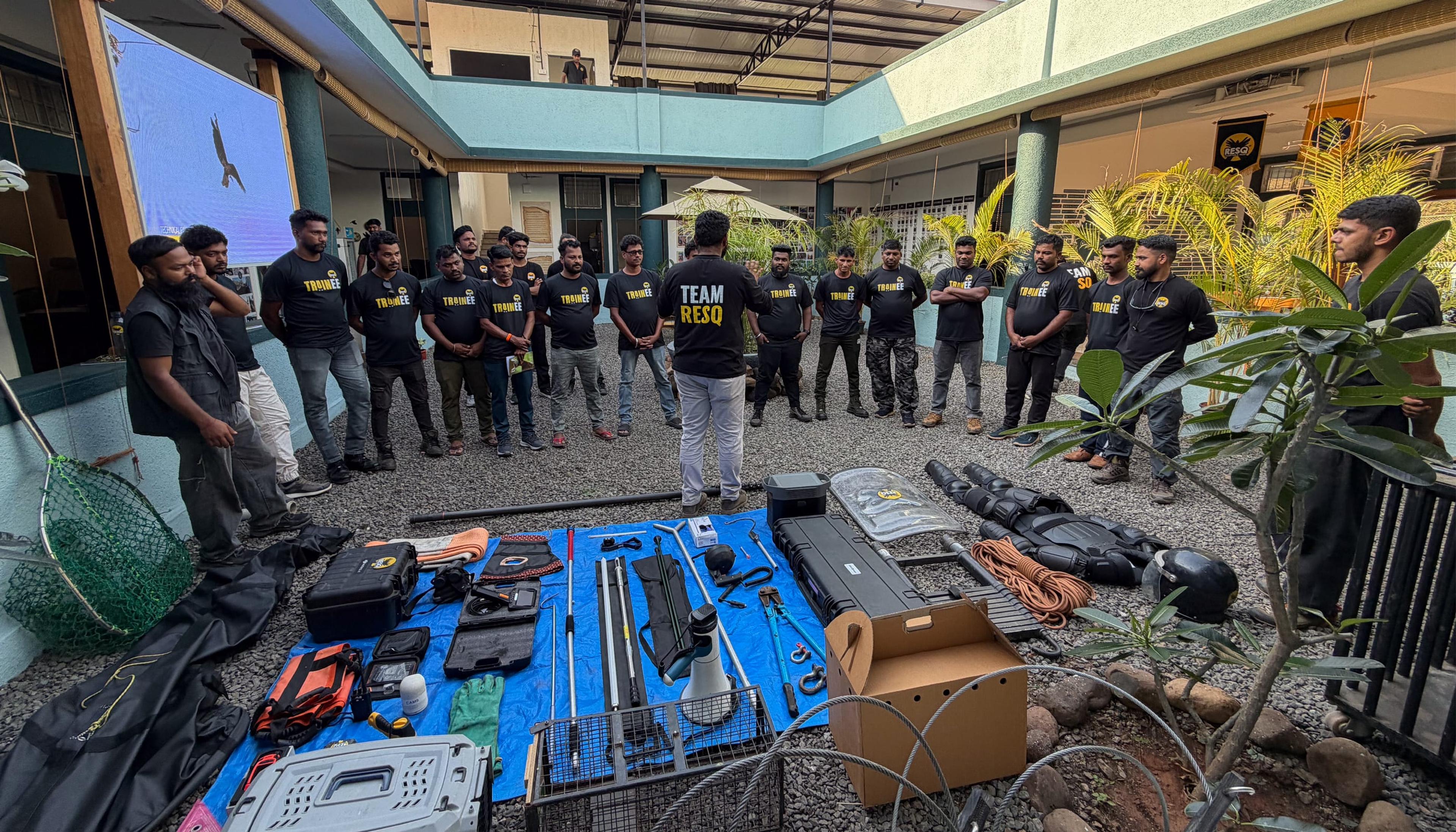 Read moreTraining and Capacity BuildingNo single organisation can be everywhere a wild animal needs help. The outcome of most wildlife emergencies in India is decided by whoever reaches the scene…
In Our work
Support this work
A rescue is only the first step. Treatment, rehabilitation, release and the prevention work that follows all depend on people who choose to stand behind it.
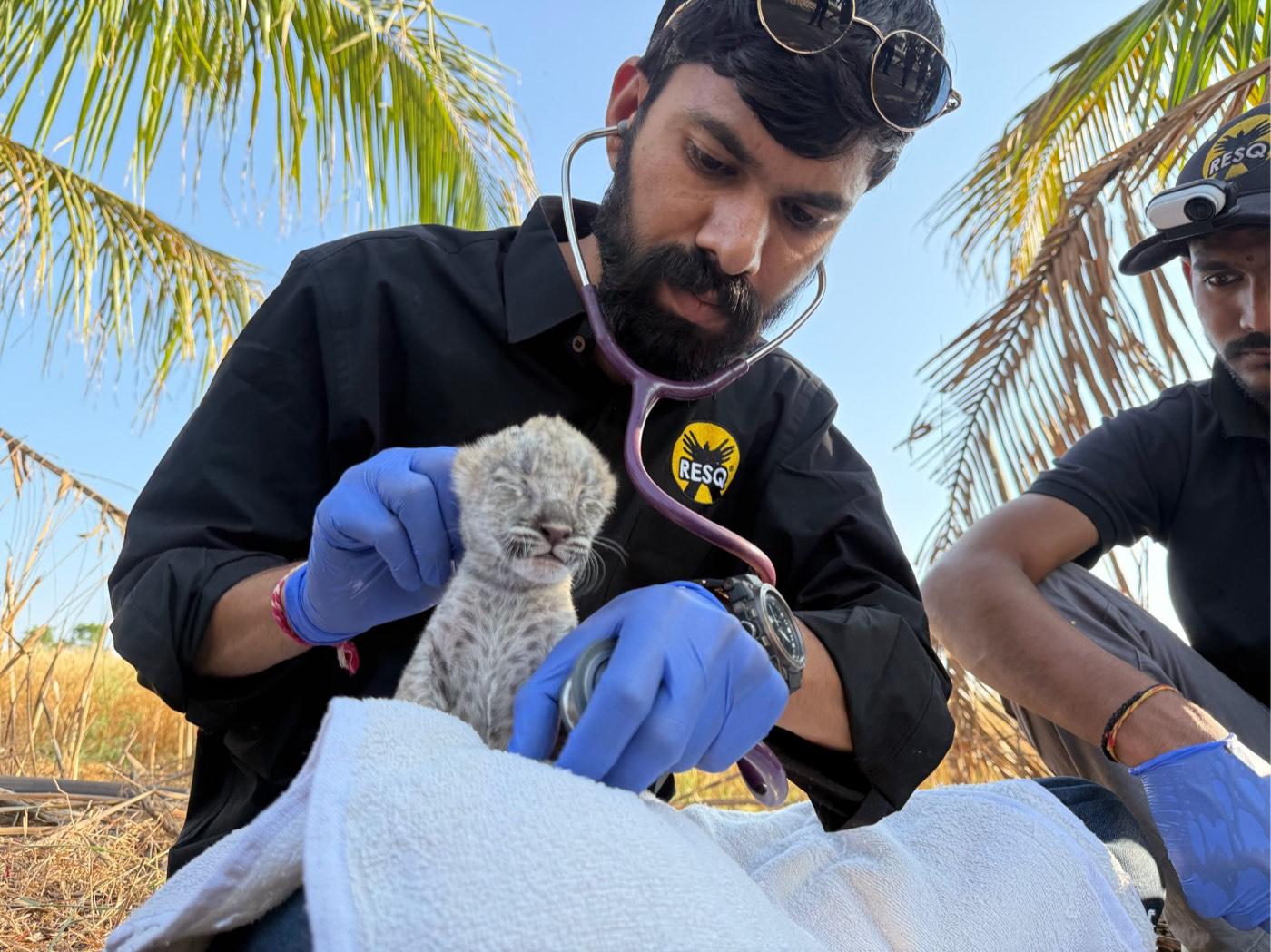
DonatePhoto: a RESQ vet examines a rescued leopard cub in the field.
Work alongside us
Individuals, students and groups support our centres, field teams and outreach programmes through the year. Every volunteer is trained and works to a shared code of conduct.
Volunteer with us