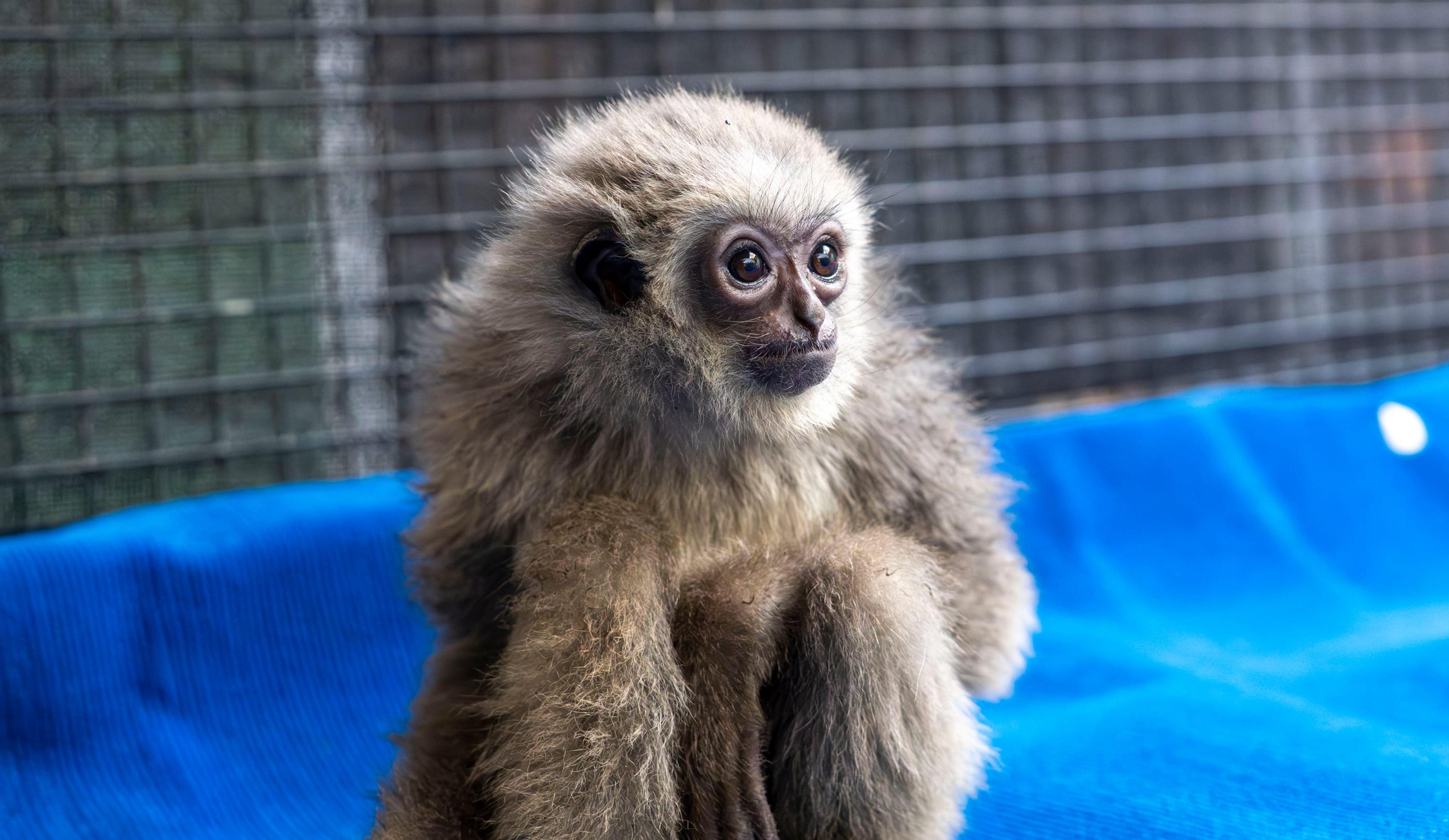
The illegal wildlife trade is among the largest transnational organised crimes in the world, and India sits squarely on its air routes. The country ranks among the top nations globally for wildlife trafficking by air, functioning as source, destination, and transit corridor. Animals are packed into checked luggage and air cargo: reptiles and birds most commonly, alongside primates and other mammals, moved across continents in conditions that kill many before they land. When a consignment is intercepted at an Indian airport, enforcement agencies gain custody of evidence; the animals themselves gain a second emergency, because a seizure is not a rescue until someone takes responsibility for keeping them alive.
RESQ CT provides rapid on-ground welfare support for exotic wildlife seized in transit, working in coordination with Customs, enforcement agencies, and the Forest Department. Animals arrive dehydrated, hypothermic or hyperthermic, starved, and severely stressed, often concealed in packaging designed to defeat detection rather than sustain life. Our teams stabilise, triage, and treat each animal, then identify and document every individual: work that is as forensic as it is clinical, since species identification determines both the legal case and the animal's welfare requirements. Housing, diet, and thermal management must be improvised to a high standard for species from ecosystems thousands of kilometres away.
Our role ends where it should: with repatriation. We prepare seized animals for return to their ports of origin, fit to travel and documented to international standards, supporting the legal process that sends trafficked wildlife home rather than into permanent captivity. We are not the enforcement authority; we are the welfare authority, and that distinction defines our role. Every animal kept alive and returned is a small subtraction from the profits of a trade that depends on wildlife being treated as cargo.
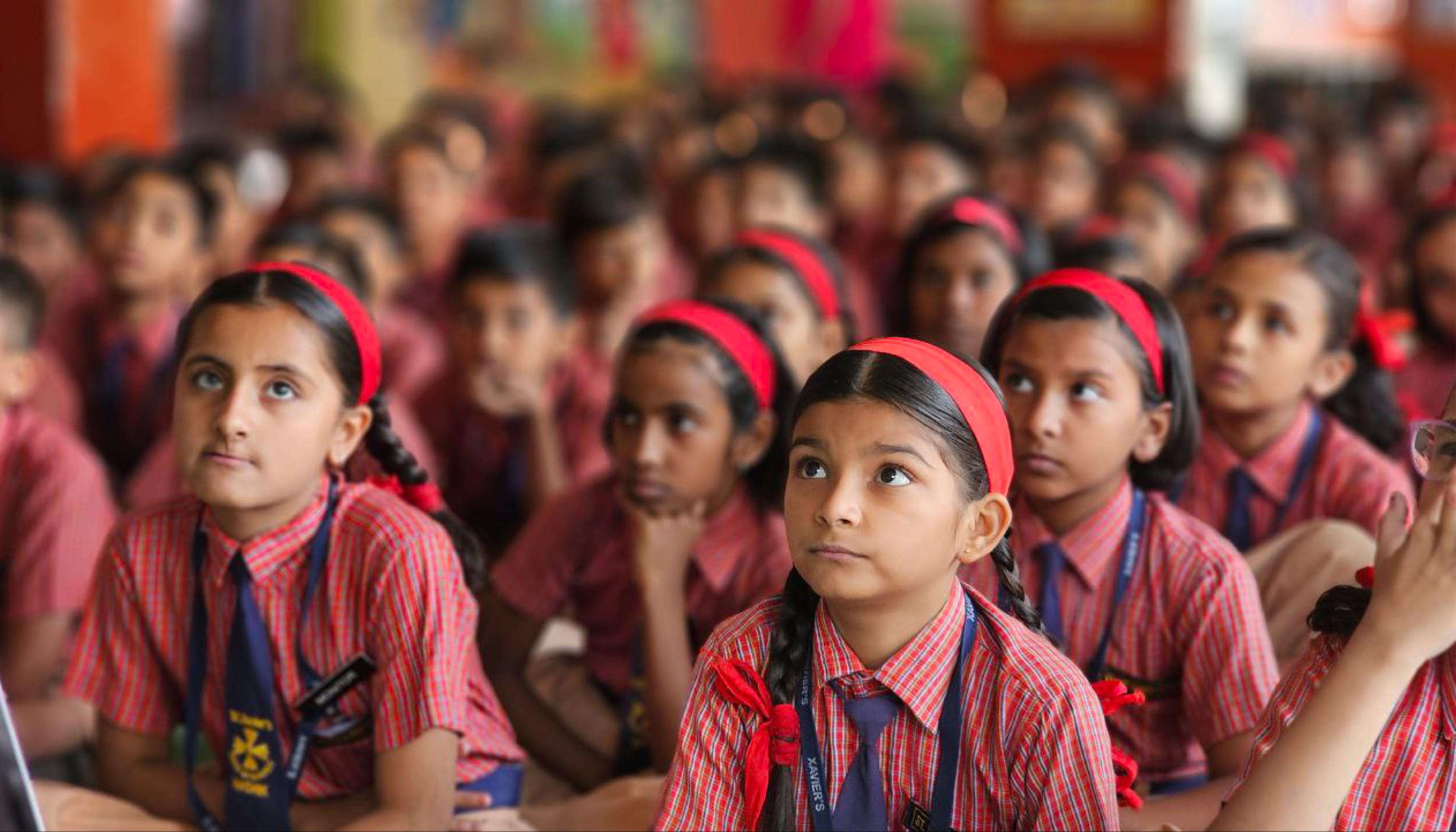 Read moreConservation EducationMost wildlife encounters in India are decided not by the animal, but by what the first human on the scene knows. A farmer who finds leopard cubs in…
In Our work
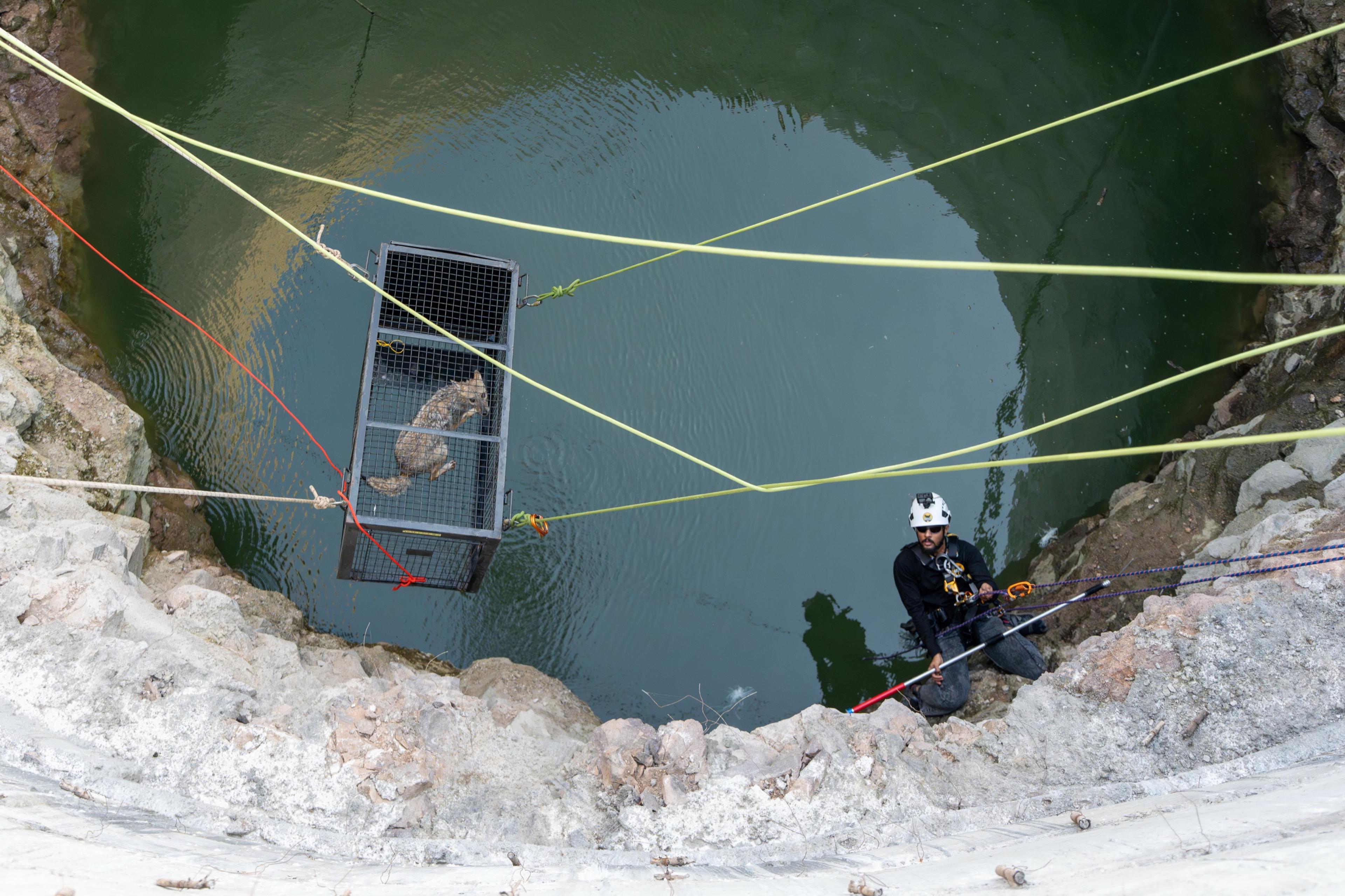 Wildlife emergency response
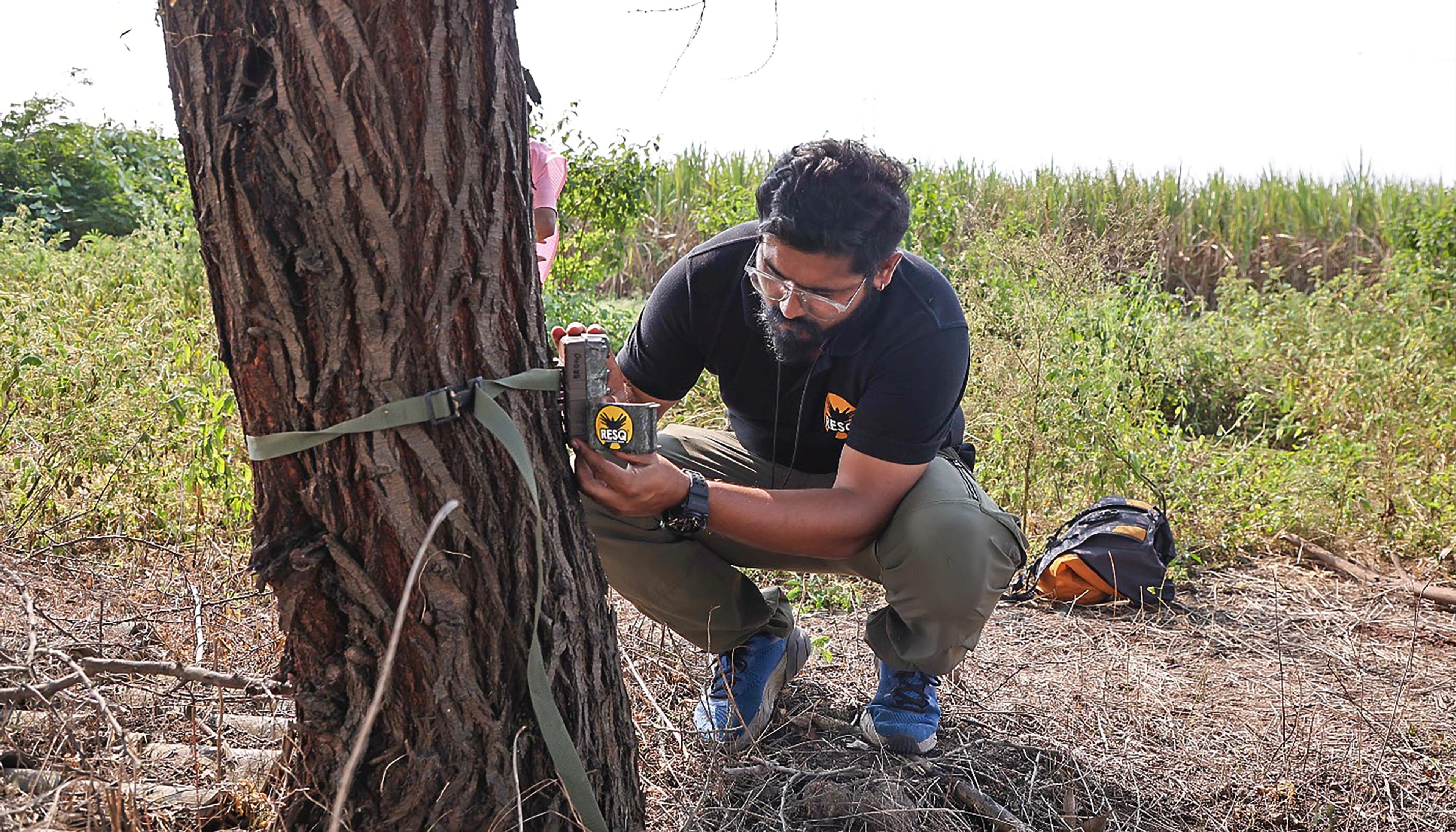 Human-wildlife conflict management
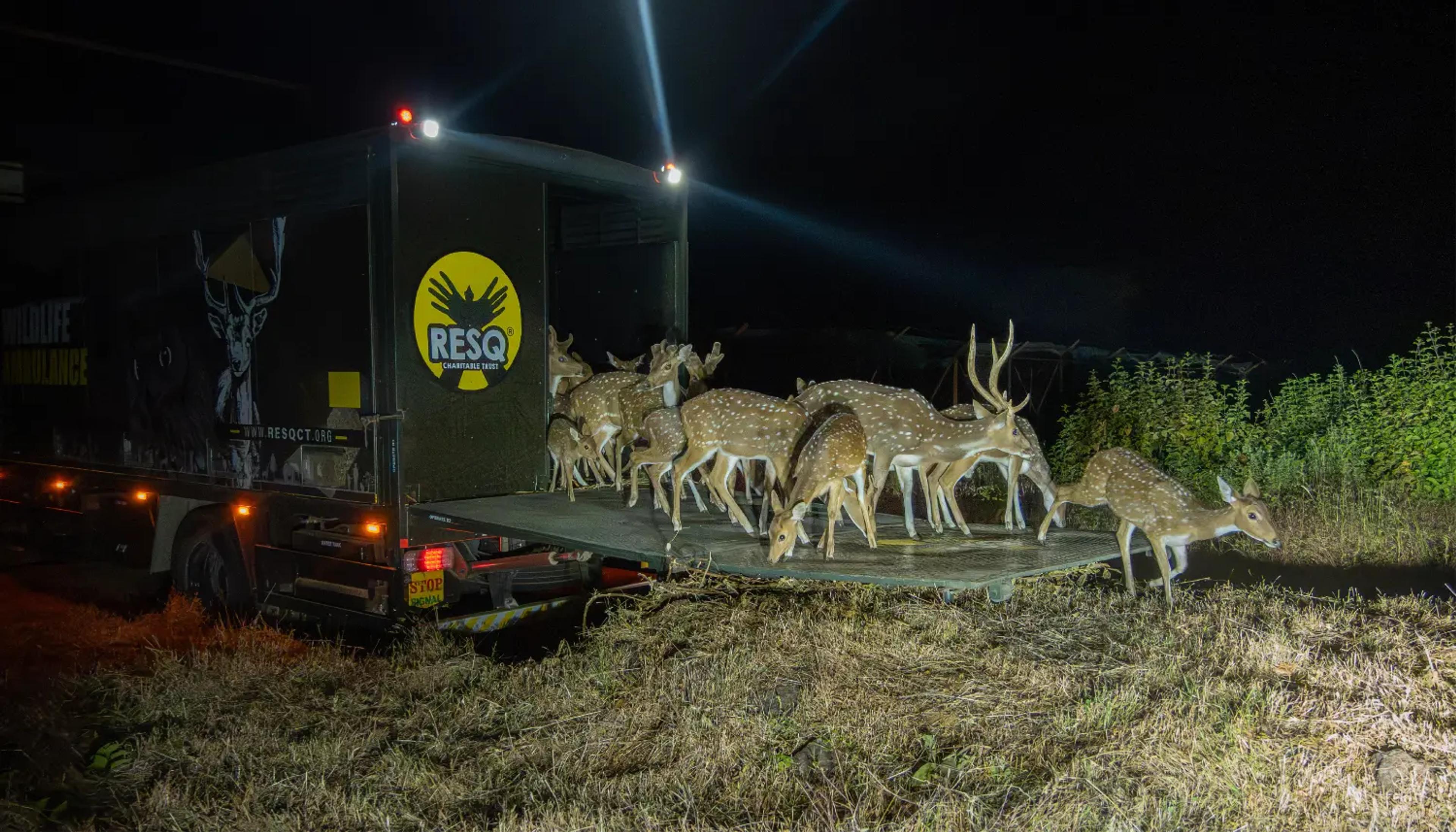 Mass capture & translocations
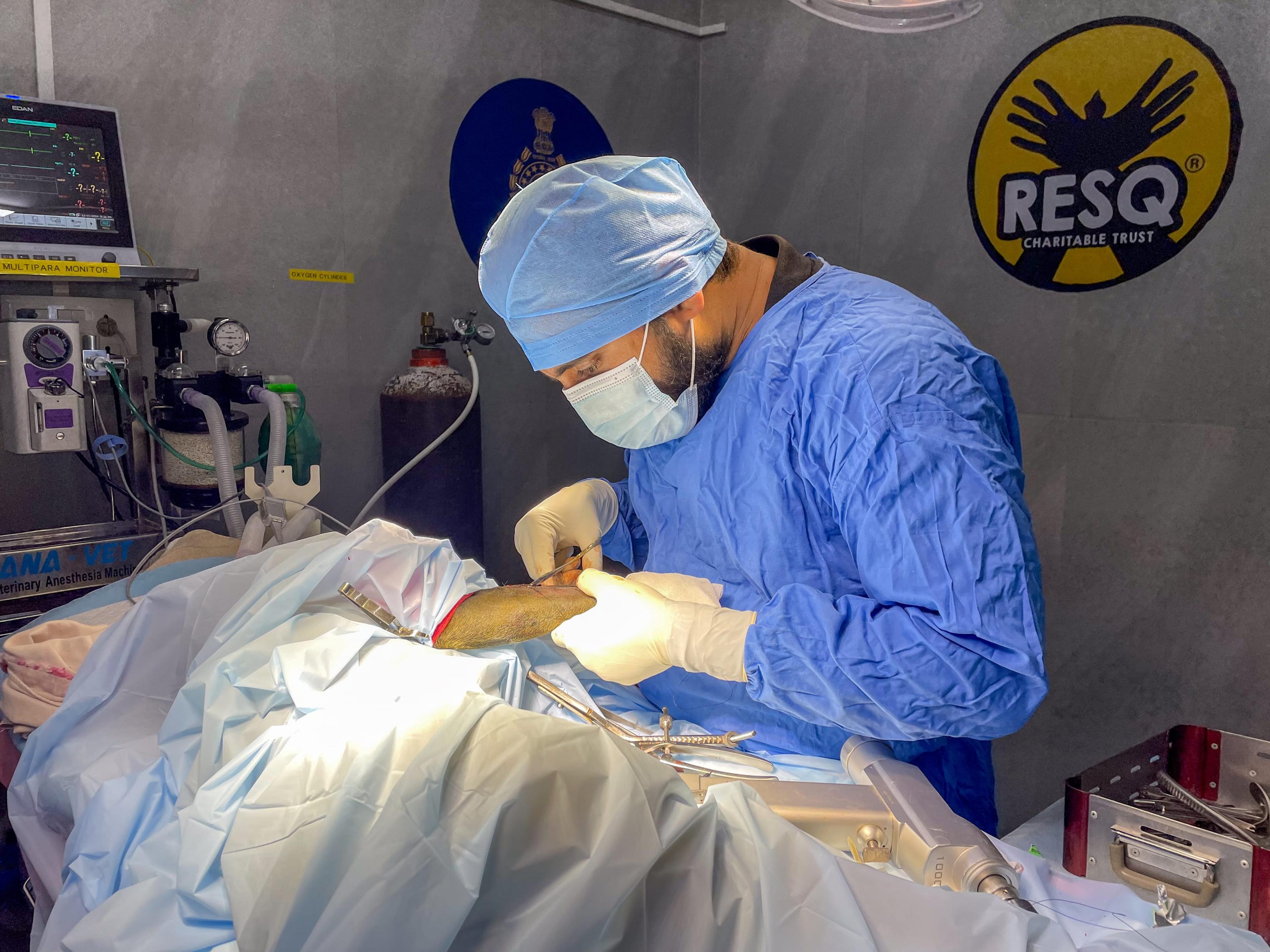 You're hereVeterinary care & rehabilitationConservation education
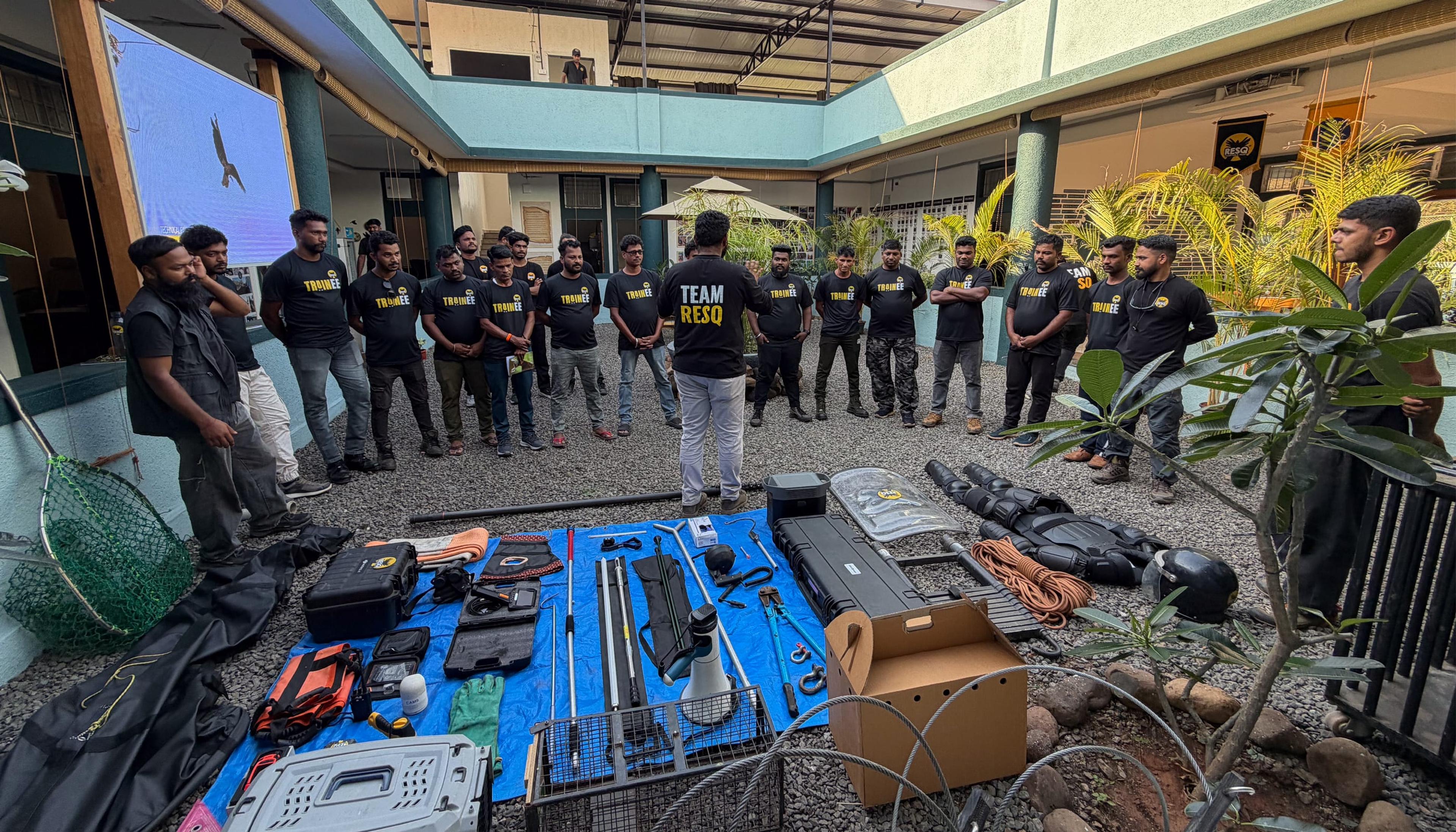 Training & capacity building
Support this work
A rescue is only the first step. Treatment, rehabilitation, release and the prevention work that follows all depend on people who choose to stand behind it.
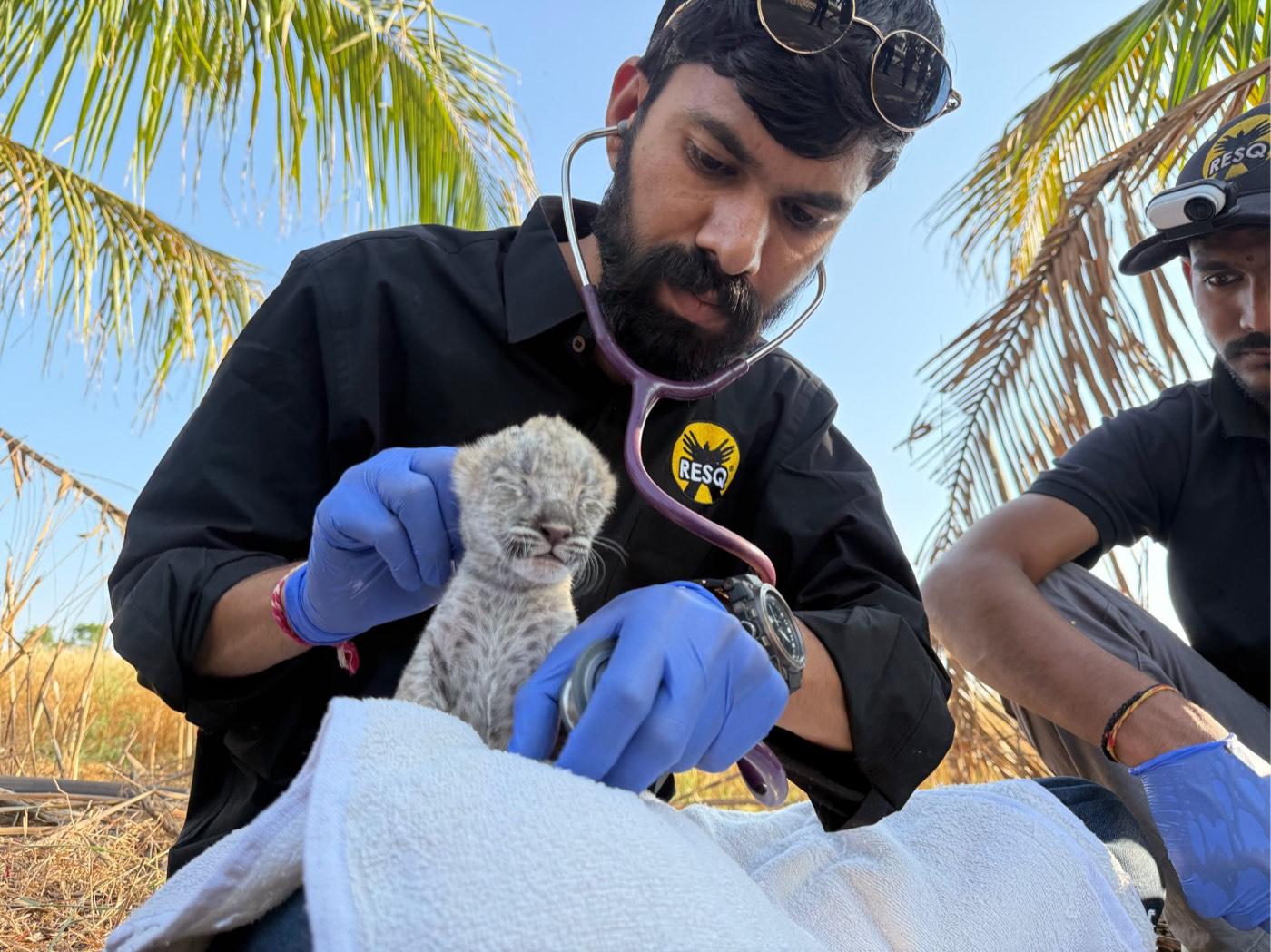
DonatePhoto: a RESQ vet examines a rescued leopard cub in the field.
Work alongside us
Individuals, students and groups support our centres, field teams and outreach programmes through the year. Every volunteer is trained and works to a shared code of conduct.
Volunteer with us