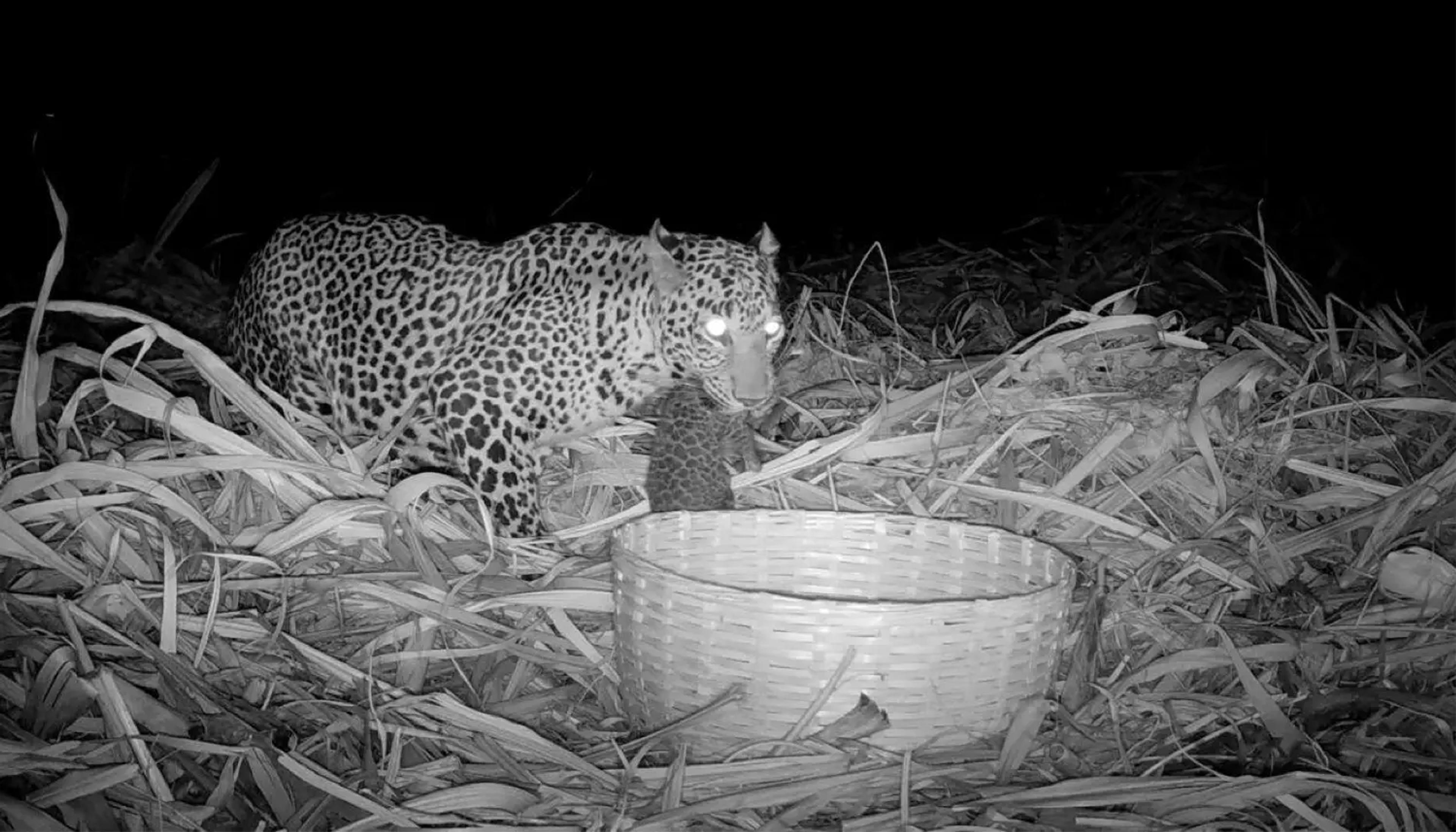
Reuniting infant or juvenile wild animals with their mothers is one of the most time-sensitive and meticulous aspects of wildlife rescue work. It is also, when successful, one of the most ecologically sound outcomes possible: no animal enters captivity, no resources are expended on long-term rehabilitation, and the bond between mother and young remains intact. This is especially critical during harvest seasons, when the mechanical clearing of sugarcane fields regularly exposes litters of wild cat kittens, leopard cubs and jackal pups that have been sheltered within the crop, invisible to the farmers and suddenly, urgently vulnerable.
At RESQ CT, every reunion attempt begins with a careful assessment of the circumstances: how long the young have been separated, the degree of human interference at the site, and whether there is any evidence of the mother still in the area. Where conditions allow, we work closely with the Forest Department to secure the young, set up remote camera monitoring systems, and withdraw entirely, creating the quiet, undisturbed conditions that give a mother the confidence to return. For leopard cubs in particular, live camera feeds allow the team to detect the mother's presence remotely and trigger the manual release of the cubs at precisely the right moment. The process demands patience; teams have waited in the field for hours, and on occasion for days, but the alternative, a wild animal entering long-term rehabilitation and potentially lifelong captivity, makes the wait entirely worthwhile.
This method has successfully reunited multiple species including rusty-spotted cats, jungle cats, jackals and leopards. Not every reunion attempt succeeds, and the decision to transition a young animal to orphan care is never taken lightly. It is made only when field evidence conclusively indicates the mother is unlikely to return.
A rusty-spotted cat mother returned to retrieve her kittens from our reunion set-up after two days of separation. Our teams anxiously monitored the site through live cameras and watched her relocate them, one by one, to a safer place nearby.
Two leopard cubs fell into a well and were rescued by the Forest Department. Our team travelled from Pune to track the mother's movements and set up a manual reunion, waiting patiently for the right conditions to bring the family back together. When she finally arrived, the reunion was nothing short of heartwarming, culminating in a moment of unmistakable maternal instinct as she gathered both cubs close.
Three leopard cubs, one melanistic, fell into a water tank and were pulled to safety by the Forest Department, who then brought in our RESQ team to attempt a reunion. After tracking evidence of the mother's presence, we set up a manual reunion system, and as dusk fell, she appeared, reclaiming all three cubs.
Three jungle cat kittens were discovered by vigilant security guards, who promptly alerted a local NGO group to ensure their safety. Our team responded and worked alongside the Forest Department and local NGO to facilitate a reunion. The mother recognised her kittens immediately, and they were safely reunited in their natural habitat, a result of swift, coordinated effort by everyone involved.
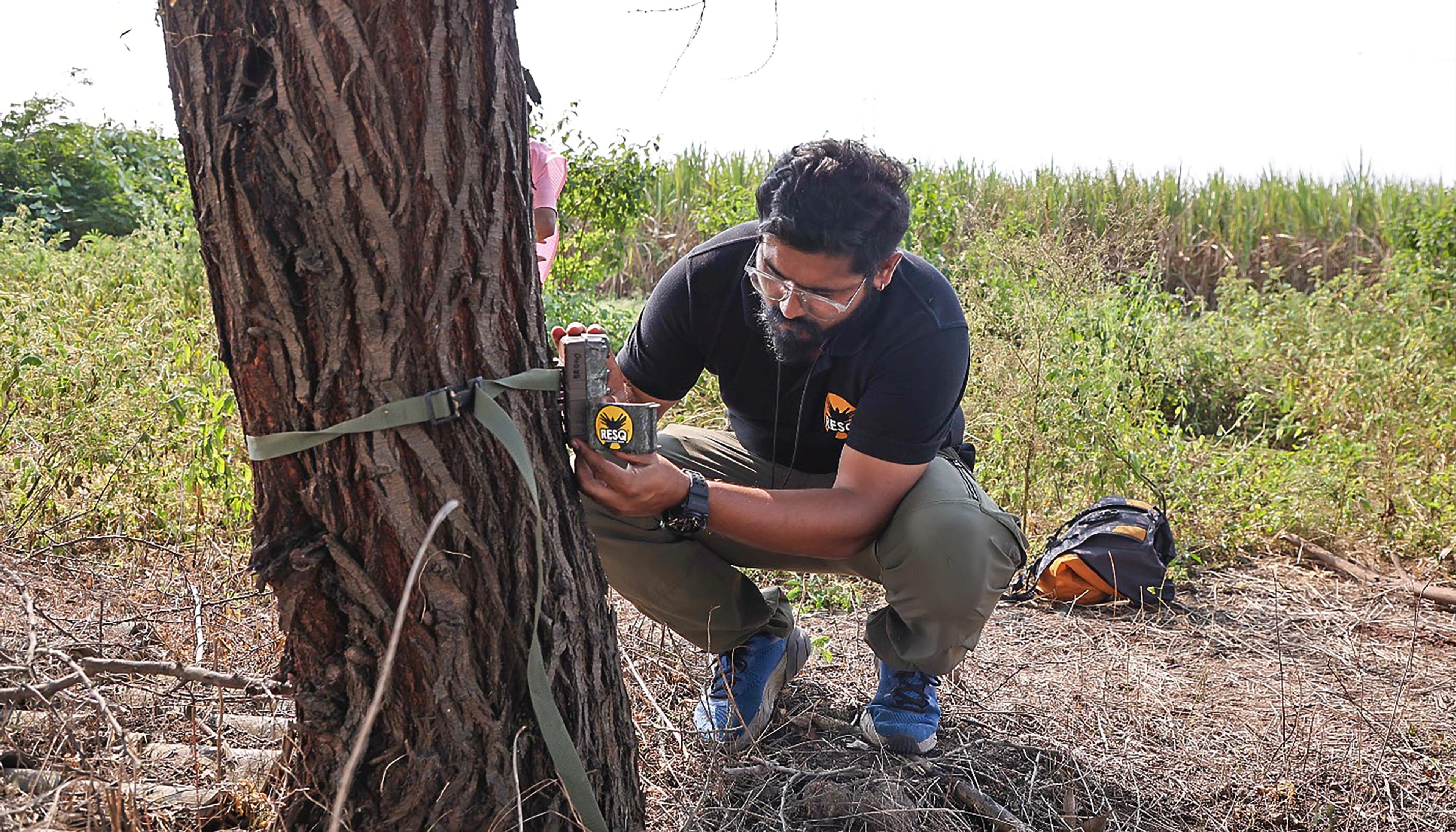 Read moreHuman-Wildlife Conflict ManagementWildlife does not recognise the boundaries that humans draw between forest and field, between protected area and peri-urban fringe. As our landscapes…
In Our work
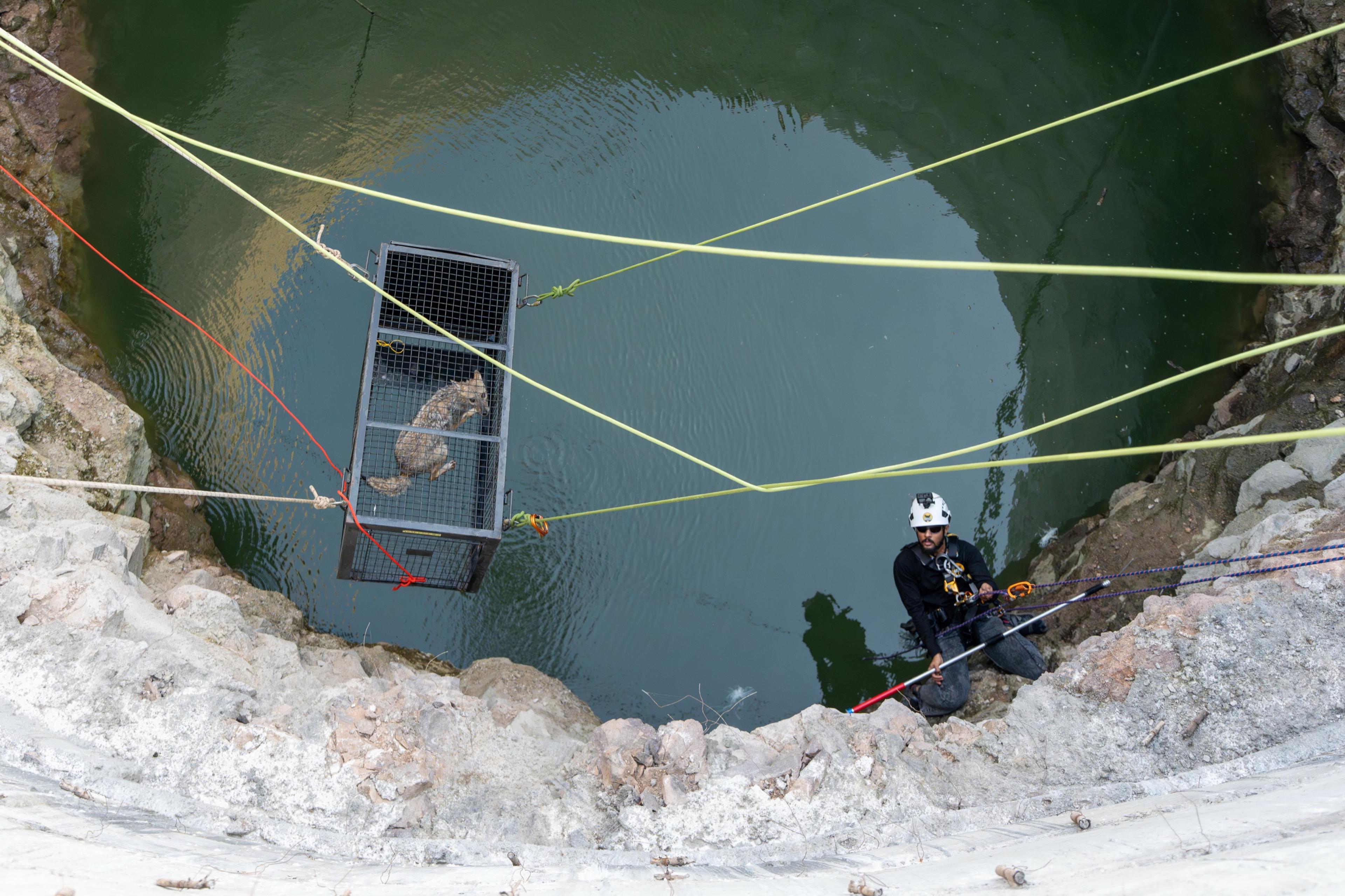 You're hereWildlife emergency responseHuman-wildlife conflict management
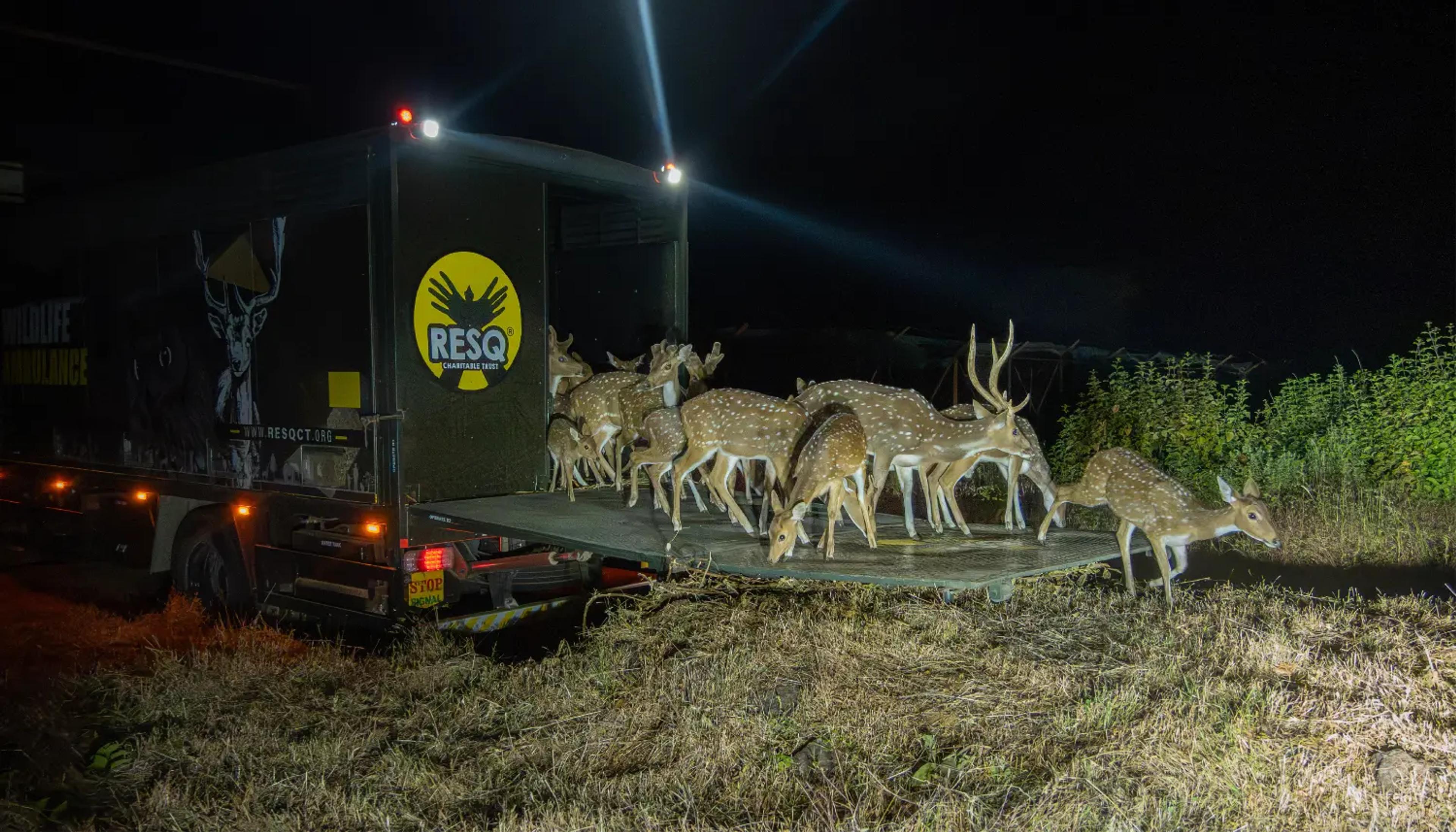 Mass capture & translocations
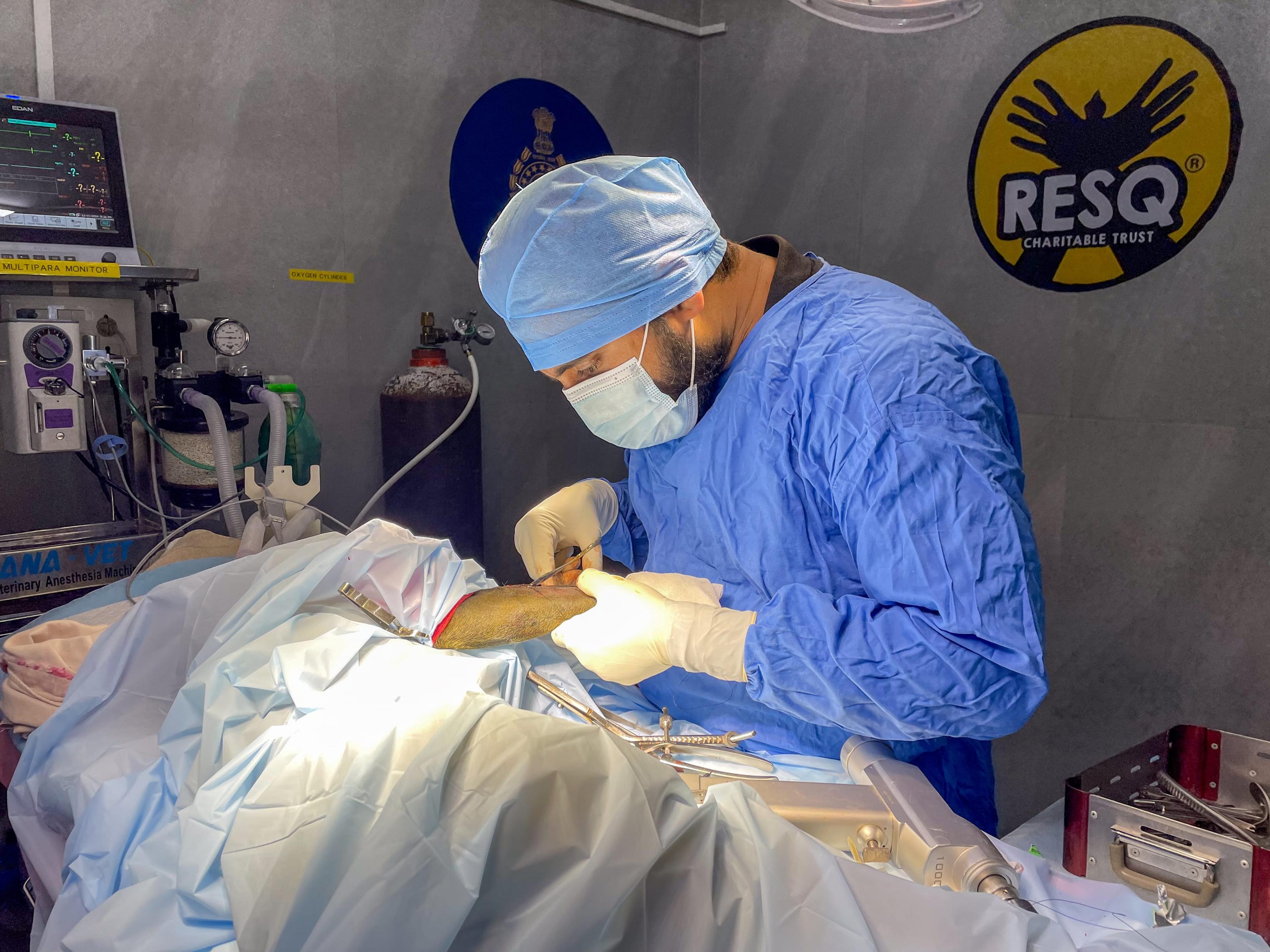 Veterinary care & rehabilitation
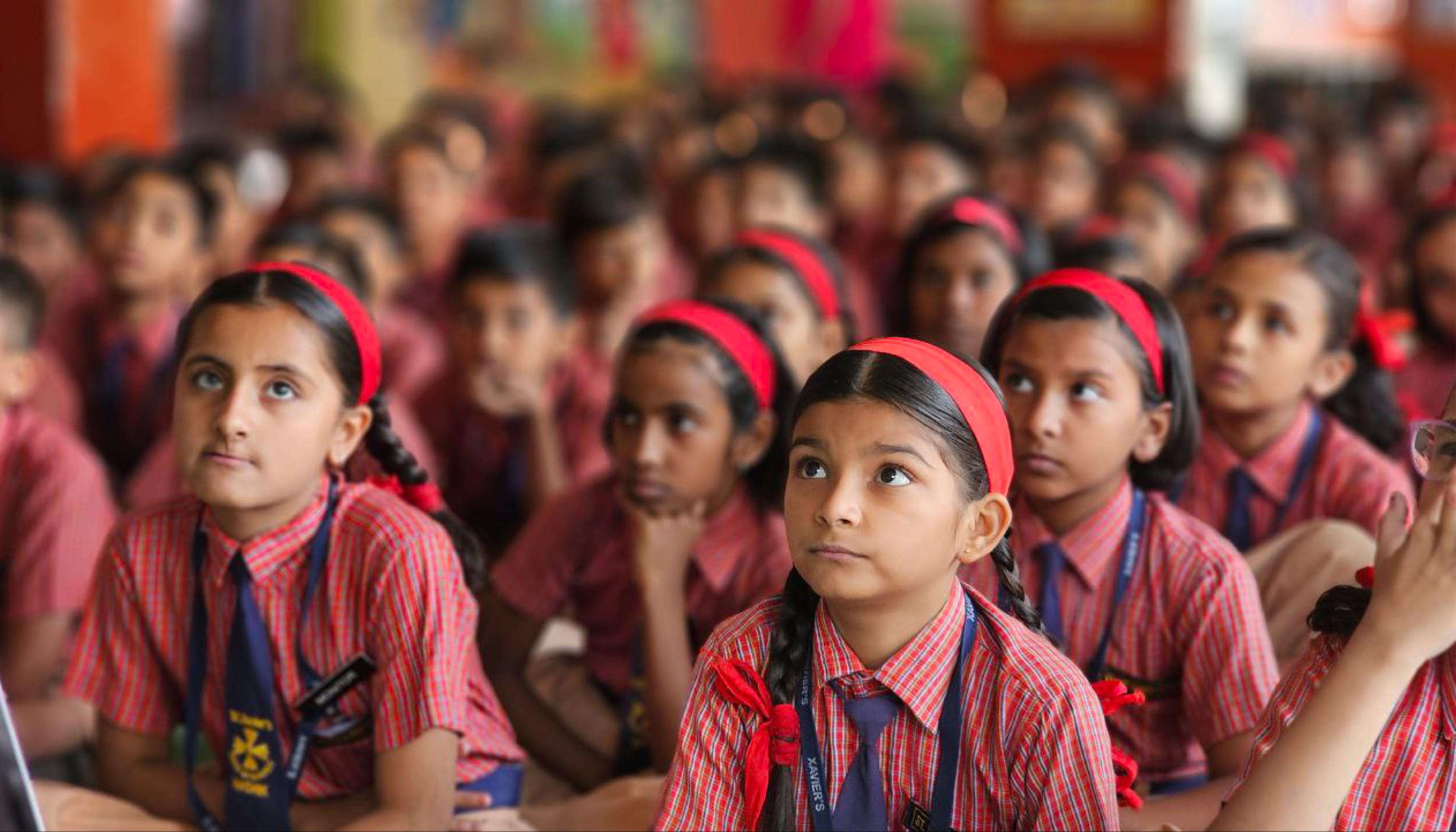 Conservation education
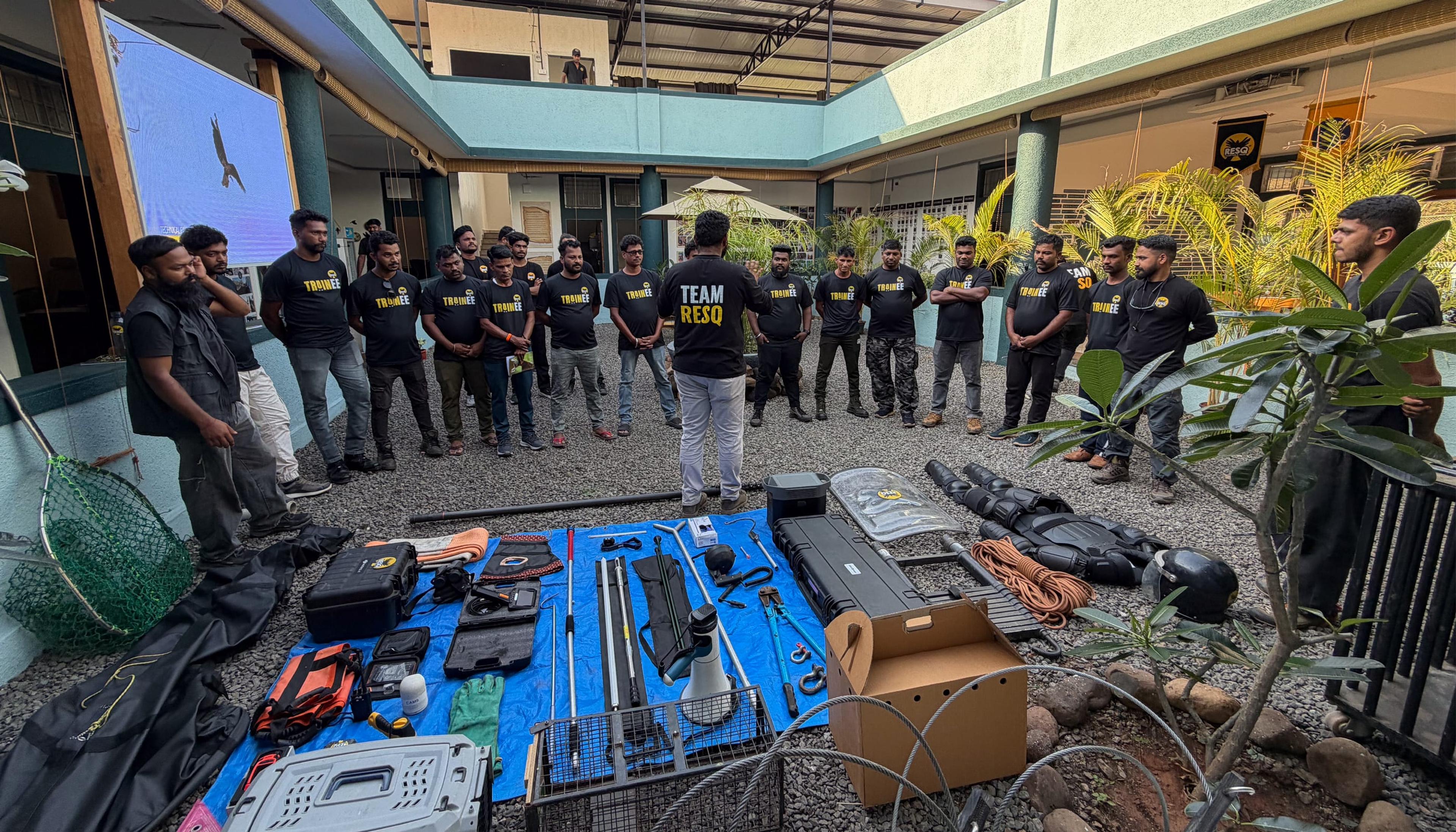 Training & capacity building
Support this work
A rescue is only the first step. Treatment, rehabilitation, release and the prevention work that follows all depend on people who choose to stand behind it.
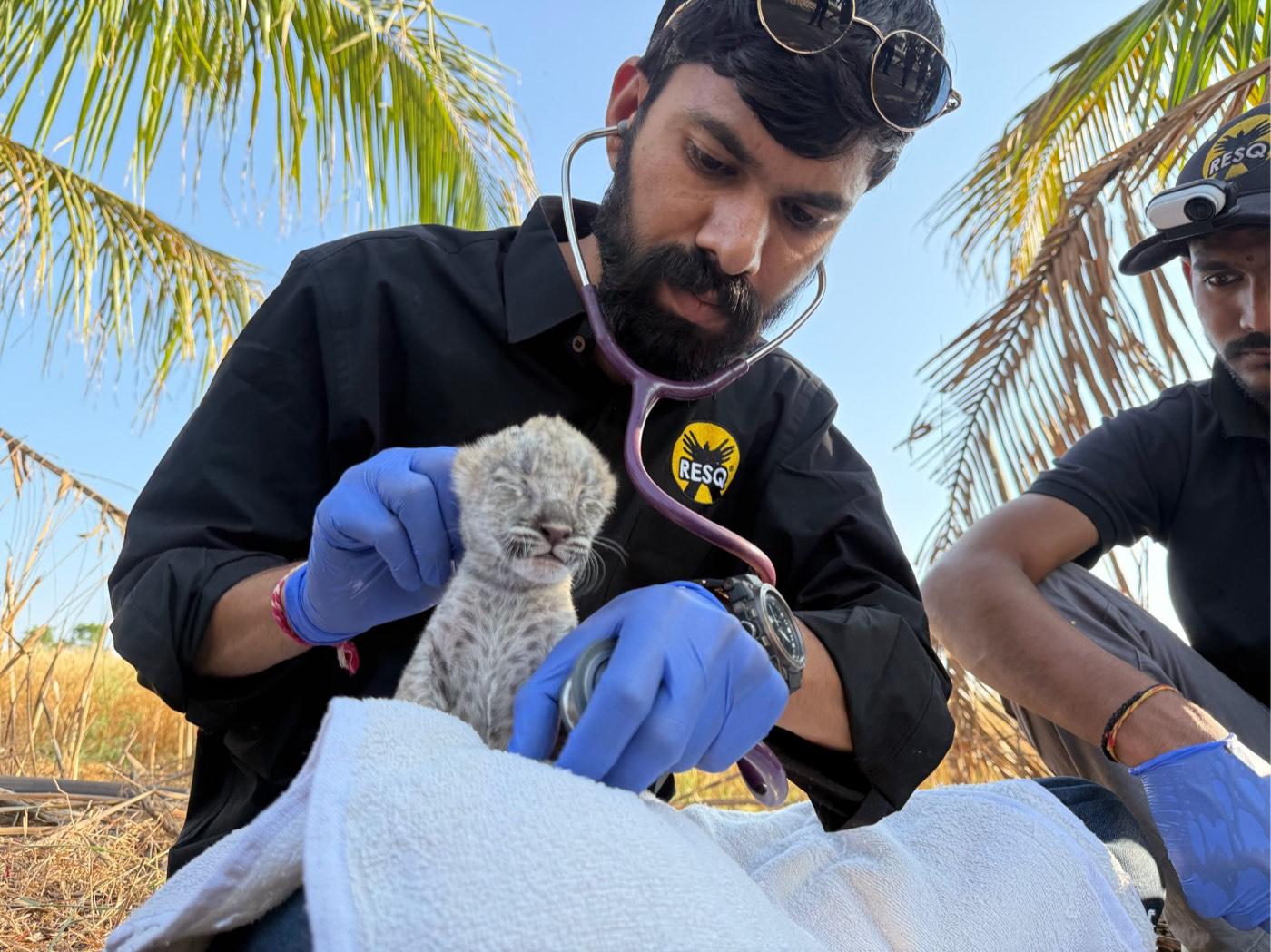
DonatePhoto: a RESQ vet examines a rescued leopard cub in the field.
Work alongside us
Individuals, students and groups support our centres, field teams and outreach programmes through the year. Every volunteer is trained and works to a shared code of conduct.
Volunteer with us