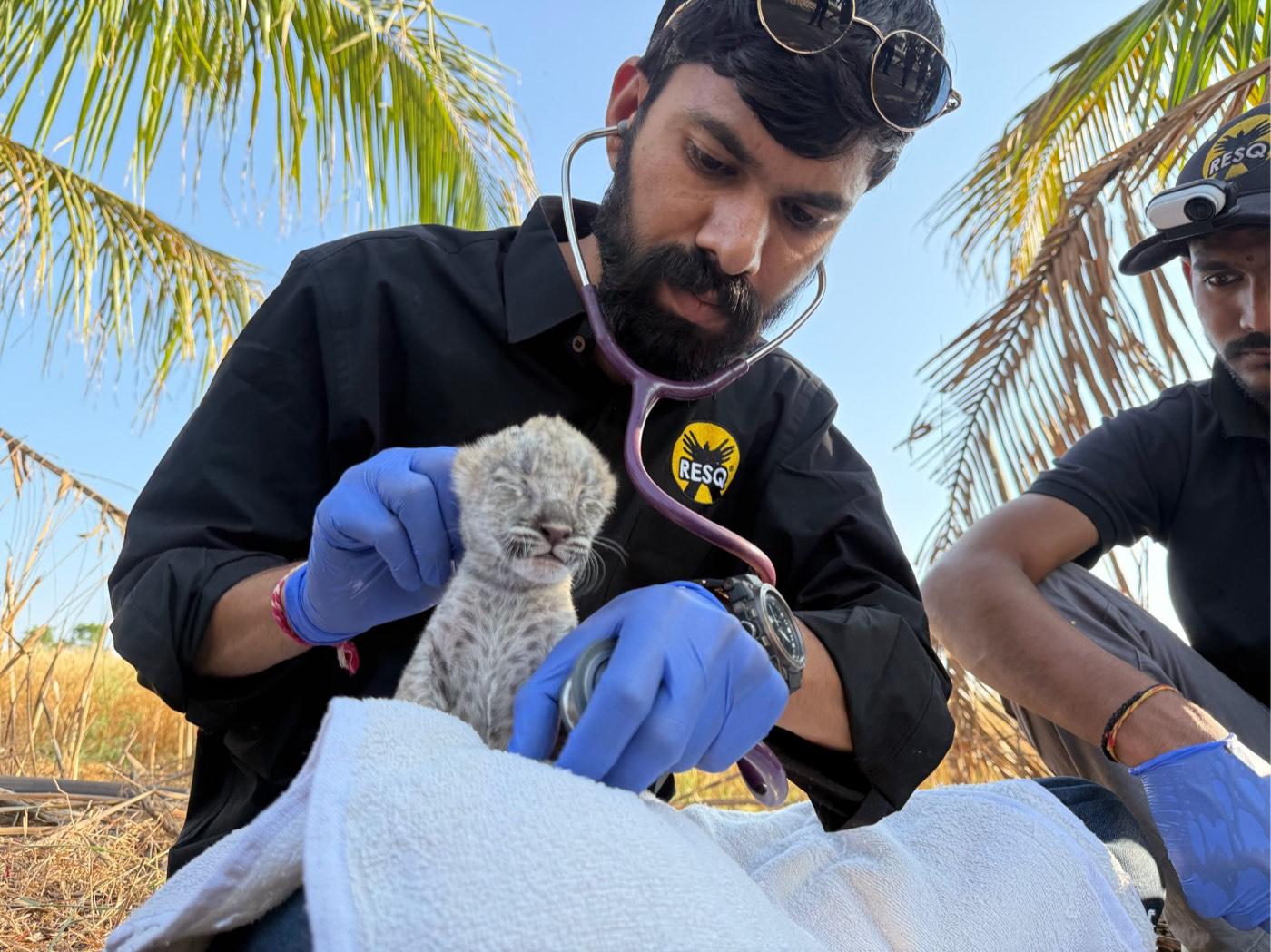

The Leopard, the Owl and the Pangolin

Neha Panchamiya · 6 Aug 2026 · 2 min read
There are certain animals that stay with you, not because they are rare or dramatic, but because they quietly shape how you begin to see the wild world and your place within it.
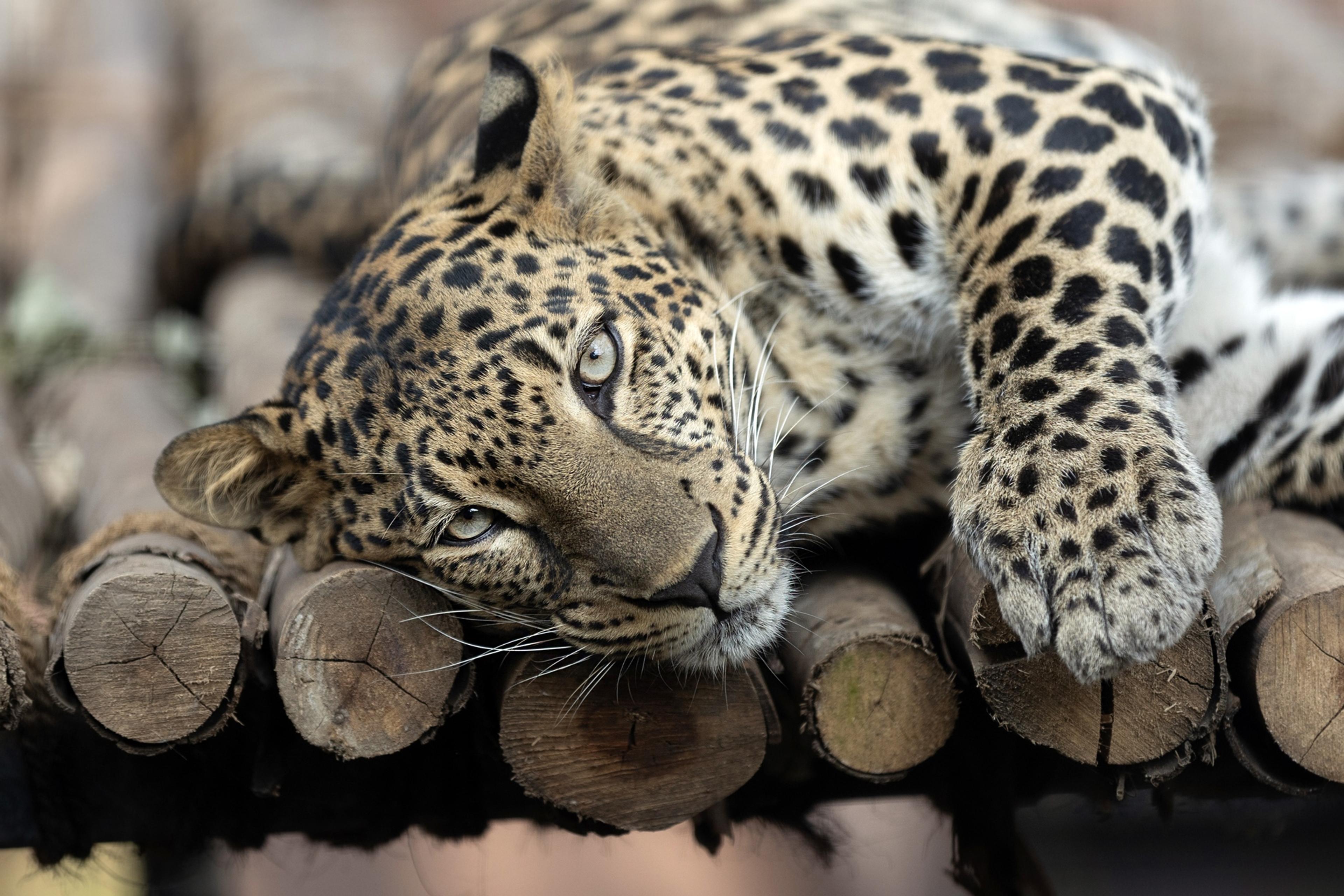
The leopard was the first wild animal I truly encountered. Growing up in a boarding school landscape in the Sahyadris, leopards were not stories or symbols, they were neighbours. Elusive yet ever present, the leopard taught me early on that adaptability is not aggression, and proximity does not equal conflict. It is a cat that survives not by force, but by intelligence, restraint, and an extraordinary ability to navigate human-dominated spaces without demanding centre stage. Watching how calmly it occupies the margins has deeply influenced how I think about coexistence, and how often conflict is shaped more by human perception than animal behaviour.
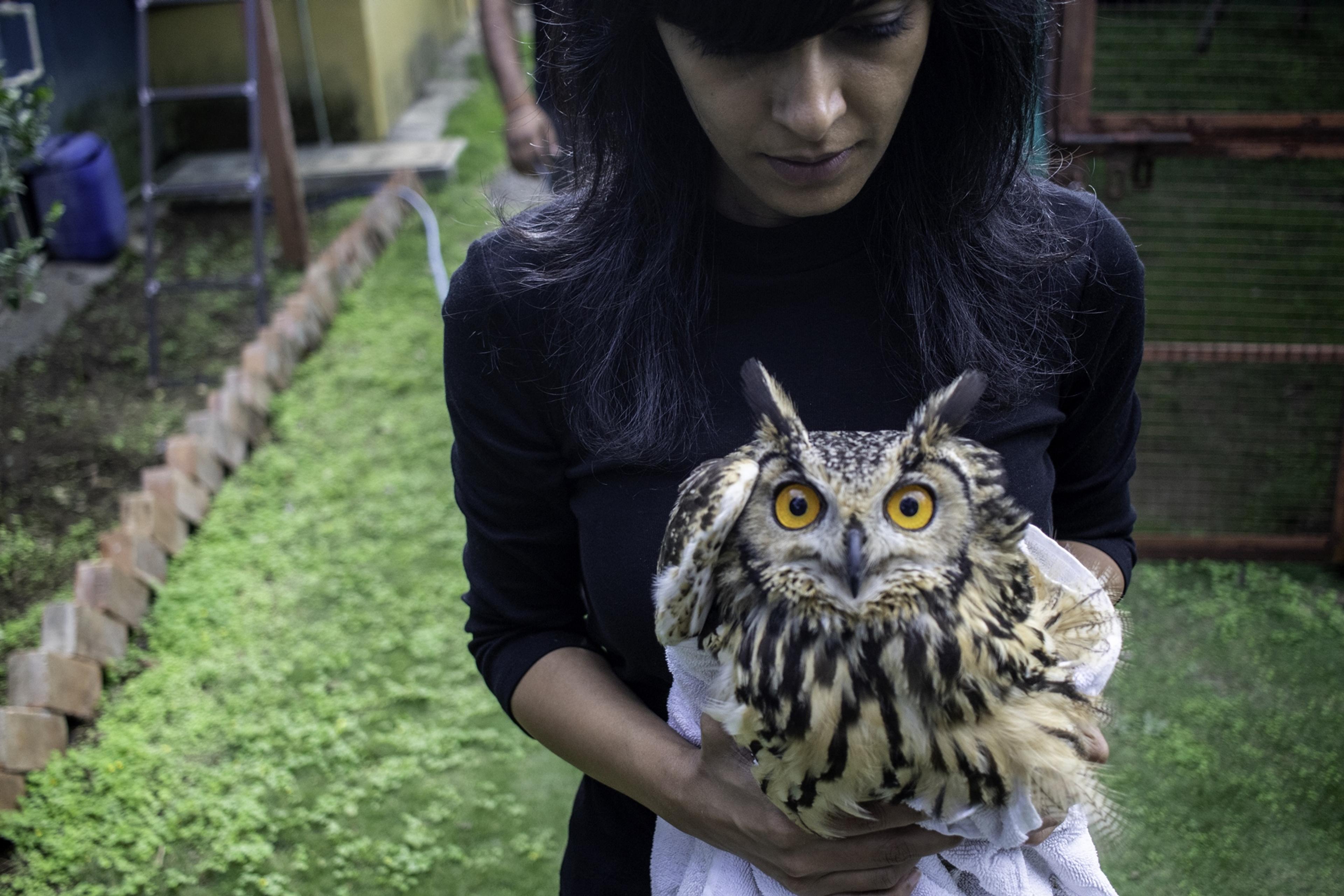
The owl, particularly the Indian Eagle Owl, entered my life through one of my early rescues. It is the largest owl species we have in India, and encountering it up close was humbling. Regal, unflustered, and intensely observant, it carries an old-world gravity that makes human urgency feel somewhat misplaced. Working with owls taught me patience and respect for quiet intelligence. They do not perform, they observe. They do not panic, they assess. In many ways, they remind me that effective action in wildlife work often comes from stillness, not speed.
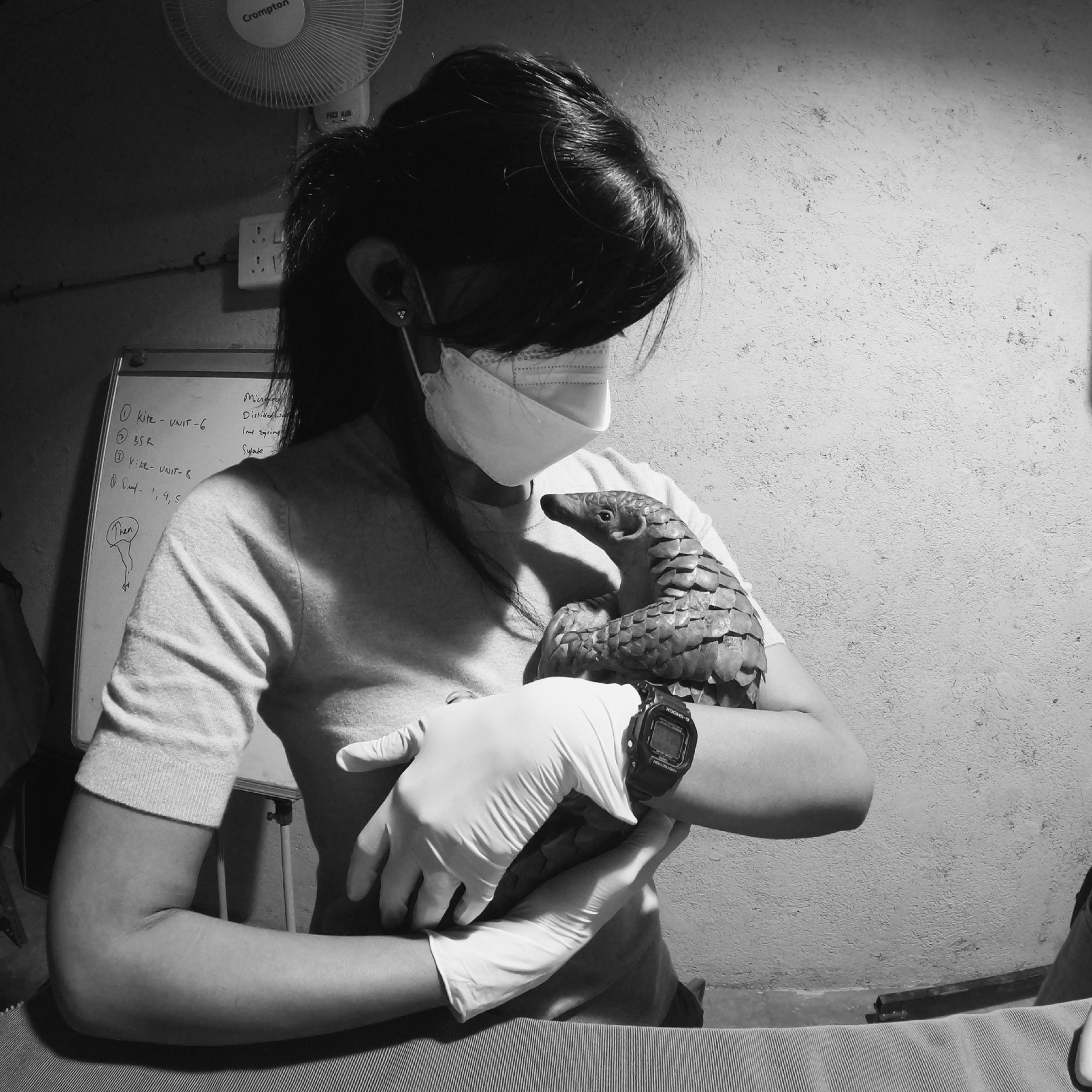
The Indian pangolin represents something very different. It is an animal evolution has armoured perfectly against almost every predator, except one. Humans. Highly trafficked, profoundly vulnerable, and still poorly understood by the public, the pangolin is a constant reminder that survival is not determined by strength alone. Its presence in my work has shaped my understanding of vulnerability, not as weakness, but as something that demands responsibility. Some species do not ask for protection loudly. They simply disappear if we do not pay attention.
Together, these animals reflect three enduring lessons. Adaptability is not dominance. Wisdom is often quiet. And vulnerability deserves protection, especially when it cannot defend itself against human intent.
They continue to remind me why this work matters, and why every species, no matter how elusive, misunderstood, or endangered, deserves informed, ethical, and committed protection.
- Indian leopard
- Indian eagle owl
- Indian pangolin